
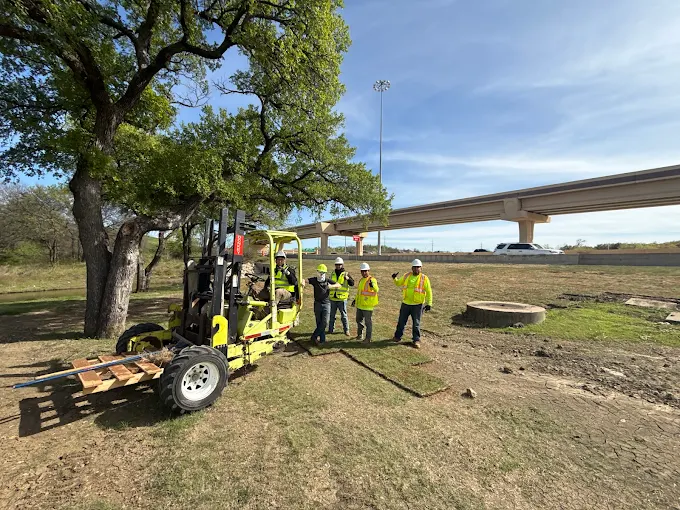
Lawn Sod Installation for Pet-Friendly Green Spaces
A lot of homeowners in Carrollton start asking for “pet-friendly sod” for a reason they can point to: their yard looks great for a week after reseeding or installing sod, then thinning shows up in the same spots where their dog prefers to sprint, dig, or rest.
One family we worked with had a backyard that was mostly bare clay with a few surviving bermuda patches. Their lab loved the shade under a live oak, but that area stayed damp and cool while the rest of the lawn baked in summer. After they laid a small section of sod themselves, it looked promising—until the edges lifted and the seams turned patchy. The dog wasn’t the problem. The soil prep and watering depth were.
Pet-friendly lawns are about more than choosing a grass type. For North Texas yards, the real difference comes from installing sod so roots can grab quickly, watering deeply enough to reach the soil underneath, and selecting a turf that can handle traffic and heat.
Quick Answer
For pet-friendly green spaces in North Texas, the best results usually come from:
- Choosing a grass that fits your sun/shade balance (common options include bermuda, zoysia, and St. Augustine depending on site conditions).
- Preparing the soil so roots can establish in compacted clay, not just sit on top of it.
- Installing fresh sod quickly after delivery so it doesn’t dry out at the edges.
- Watering correctly during establishment—deep enough to encourage rooting, not just surface moisture.
- Using lawn care after installation (starter fertilizer and a basic plan for mowing and weed prevention once the sod is rooted).
If you’re searching for sod consultation for North Texas lawns, that’s often the fastest way to match the right grass to your yard’s sun, sprinkler coverage, and traffic patterns.
What Homeowners Should Know
Before we talk grass, it helps to understand how sod behaves during establishment. Sod is essentially living plant material wrapped around a layer of soil. For it to survive, roots must grow down into your native soil. In North Texas, that native soil is often clay-heavy and can be extremely compact—especially in new construction or areas that have been driven on, graded, or infrequently aerated.
That’s why you can see a yard that looks green while the roots are still shallow. Then one hot week hits, sprinkler coverage misses a corner, or the top layer dries faster than the soil underneath—and the seams open.
For pet owners, that early failure period is especially noticeable. Dogs don’t “wait for roots.” They lay down, run, and sometimes dig at the edges where the sod feels different. If the turf hasn’t rooted yet, those disturbances can create a weak boundary.
Best Grass for North Texas Lawns
There isn’t one universal best grass for every Carrollton yard. The best choice depends on your sun exposure, irrigation consistency, and whether you’re dealing with shade, heat, or both.
Here’s a practical way to think about it:
Bermuda: often the go-to for sunny, high-traffic yards
Bermuda is heat-tolerant, recovers well after wear, and tends to handle dog traffic better than many softer turf types. If you’re looking at bermuda grass sod options, you’ll also hear names like TifTuf, which is a popular selection for improved performance and durability.
If your yard is mostly sun and you can water consistently, bermuda can be a strong match.
Zoysia: slower to start, great once established
Zoysia is known for a dense, carpet-like feel. It can tolerate traffic well and often looks uniform. The tradeoff is that it may take longer to green up in spring compared to bermuda. If you’re considering zoysia sod, or zeon zoysia sod, it’s worth planning for that seasonal behavior and making sure your irrigation schedule supports a strong establishment period.
St. Augustine: shade tolerance, but site conditions matter
St. Augustine is often chosen for lawns with more shade or where homeowners prefer its texture. If you’re searching for st augustine sod near me, it’s typically best for yards that can maintain adequate moisture and don’t swing wildly between drought stress and overwatering.
Fescue: usually not the first choice for Texas heat—but sometimes fits
Fescue can work in certain transitional or cooler-use areas, but in many North Texas yards, it struggles during peak heat if irrigation and soil conditions aren’t dialed in. If you’re considering fescue sod, it’s smart to talk through your sun exposure and irrigation reliability first.
Quick grass-selection recommendation
- Mostly sun + high dog traffic: bermuda is often the most forgiving.
- Mixed sun + you want density and can manage establishment: zoysia can be a strong option.
- Significant shade + you can keep moisture consistent: St. Augustine may fit better.
If you tell us your sprinkler coverage and how much of your yard is shaded, we can help you narrow down what will actually perform—not just what looks good in a photo.
Sod Installation for Pet-Friendly Green Spaces
For pet-friendly lawns, the installation process matters because it determines how quickly roots can anchor. Here’s what we focus on when we install or advise on lawn sod installation in North Texas.
Step 1: Confirm the site is ready for roots, not just sod
We look at:
- soil texture and compaction (especially in clay)
- drainage patterns after a rain
- whether the ground has been disturbed or settled from grading
- irrigation coverage (sprinkler heads and overlap zones)
On one recent residential install, we found the yard had “looks fine” topsoil but a compacted layer underneath from heavy equipment. The sod sat down, but roots were struggling to penetrate. When we adjusted the prep and installation approach, the seam stability improved dramatically.
Step 2: Plan your sod layout for seams and pet movement
Seams are natural weak points early on. If pets run in loops, those lines can become the first areas to lift if the installation wasn’t tight or the soil wasn’t firm enough.
We aim for:
- clean edge contact
- staggered seams where practical
- minimal gaps around curves, gates, and play zones
Step 3: Install quickly after delivery
Fresh sod near you is only helpful if it stays fresh long enough to root. Sod begins to dry out quickly once it’s cut, and heat in North Texas accelerates that process. If there’s a long delay between delivery and installation, you’ll often see stress at the edges first.
If you’re comparing options, a delivery plan can make or break establishment. Homeowners who want convenience often use sod delivery services so sod arrives when the yard is ready and the install can happen the same day.
Step 4: Firm contact and proper watering depth
A common misconception is that “more water” equals “better rooting.” In reality, the goal is moisture that reaches the native soil layer beneath the sod—not just the top.
We typically water to support deep rooting during establishment, then adjust as roots take hold and the top layer dries at a normal rate.
What Homeowners Often Overlook
Pet owners often think the grass choice is the whole decision. Grass matters, but three other factors are just as important:
1. Sprinkler coverage gaps create dead seams
Even a small dry zone shows up as thinning, especially along seam lines and where pets constantly step.
2. Soil compaction blocks rooting
If roots can’t penetrate, sod becomes a surface plant. It may stay green for a while, then fail when stress hits.
3. Traffic too early stresses weak edges
Pets don’t understand establishment timelines. If seams aren’t fully anchored, repeated movement can pry them open.
Common Mistakes That Keep New Grass From Rooting
Homeowners do a lot right—then one or two details derail the whole install. Here are the mistakes we see most often:
1) Installing sod over soft spots or uneven grading
If the yard has dips, low spots, or uneven grade, water may pool—or roots may sit where drainage is inconsistent. The result is patchy rooting and uneven appearance.
2) Watering on a shallow schedule
A yard can look green while the moisture never reaches where roots need to grow. After a hot spell, the top layer dries and the sod fails at seams.
3) Waiting too long to install after delivery
Even if the sod isn’t “crispy,” partial drying at the edges can cause weak rooting. You might not notice until the second or third week.
4) Treating “new sod” like an established lawn
We see homeowners mow too early, fertilize incorrectly, or jump into weed control before the sod is rooted. New turf needs time to build a strong root system first.
5) Ignoring pet behavior during establishment
Allowing dogs to run, dig, or repeatedly lay in the same spots during the first couple of weeks can create thin areas right where you least want stress.
Sod Preparation, Delivery, Installation, and Aftercare Checklist
If you want a pet-friendly result, think like a turf installer: prepare first, install fast, water deeply, then support rooting.
Pre-Delivery Checklist (do this before sod arrives)
- Clear the area of debris and remove rocks/roots that can prevent good contact.
- Confirm sprinkler coverage and adjust heads so the entire lawn area gets even water.
- Identify shady areas and plan watering accordingly (shade dries slower; sun dries faster).
- Ensure the ground is graded so water doesn’t pool.
Installation Day Checklist
- Lay sod as soon as it’s delivered—don’t store it in heat.
- Fit seams tightly with minimal gaps.
- Roll or firmly press the sod so it has full contact with the soil.
- Keep foot traffic (and pet traffic) off the turf as much as possible.
Watering New Sod Checklist (establishment focus)
- Water enough to soak the area—not just the surface.
- Verify moisture by checking soil underneath the sod in a few places.
- Follow a schedule that supports deeper rooting, then taper as roots establish.
- Avoid letting the lawn dry out completely during the early rooting window.
Starter nutrients and lawn care after sod installation
New sod generally benefits from a starter fertilizer approach once it’s in place and beginning to root. Also consider adding organic matter like compost where appropriate, especially if your soil is heavy clay and you want to improve long-term structure.
For many homeowners, the best way to avoid guesswork is to plan with a professional. If you’re looking for guidance on how to handle lawn care after sod installation, a consultation can help you match watering and early nutrients to your grass type and site conditions.
You can also browse our turf setup options through grass sales for new lawns to understand what’s available and how we recommend ordering and timing.
Sod Delivery vs Pickup (and what matters for pet-friendly results)
Some homeowners prefer pickup to save time or reduce delivery costs. Others want the simplicity of scheduling. Either can work, but the key is timing.
What we recommend based on your situation
- If you’re coordinating multiple tasks (soil prep, irrigation fixes, landscaping removal), delivery helps you align sod arrival with install readiness.
- If you’re doing a small patch and can install immediately, pickup can be fine.
If you’re trying to decide, here’s the practical difference: delivery planning reduces the chance that sod sits in heat while you’re still prepping. That’s when edges dry and rooting slows.
For homeowners comparing logistics, review our options for local grass pickup support and fresh sod delivery options so you can choose what fits your schedule.
Also, if you’re planning a full-yard refresh, it helps to talk through professional sod installation services so the yard is prepared and installed in a way that supports quicker rooting.
A Realistic North Texas Project Example (Anonymized)
We worked with a homeowner who had a backyard with two zones: a sunny open area and a shaded side near a fence. They had a few surviving bermuda patches, but most of the lawn was thinning and patchy.
They ordered sod, but the first attempt was delayed for a couple of days due to scheduling conflicts. By the time installation started, the sod edges had already dried in the transport and storage phase. After install, the lawn looked decent at first—but the seams began to lift as the heat ramped up.
What changed the outcome:
- We tightened soil prep so roots could penetrate more easily in compacted clay.
- We adjusted watering to ensure moisture reached beneath the sod, not just the top layer.
- We planned the layout to reduce seam exposure in the dog’s favorite running path.
Within a few weeks, the lawn looked more uniform, and the “weak seam” behavior stopped. The biggest lesson: in North Texas, delays and shallow watering don’t just affect appearance—they affect root stability.
Carrollton and North Texas Relevance: Why It’s Harder Than It Looks
It’s tempting to think sod is “instant lawn.” In North Texas, sod is more like “instant coverage” with a rooting mission.
Clay soil, summer heat, and sometimes inconsistent sprinkler coverage create a short window for success. If the sod doesn’t root quickly, the lawn will show stress right where pets and foot traffic concentrate—along seams, low spots, and the edges near fences and gates.
This is why homeowners in Carrollton often benefit from site-specific guidance:
- which grass type matches sun and shade
- how to manage watering during the first rooting period
- how to prepare soil so roots can break through compacted layers
If you want a plan that matches your yard conditions, a sod consultation for North Texas lawns is the best starting point.
Signs Your Lawn Needs Sod Replacement
Sod replacement isn’t always about aesthetics—it’s often about root survival. Consider sod installation (or repair with sod) if you notice:
- persistent bare spots that never fill in after reseeding
- dead patches that return after summer stress
- thinning areas that match sprinkler coverage gaps
- seams lifting or repeating failure in the same spots
- traffic-worn zones that keep breaking down
If you’re trying to fix dead grass or patchy lawn solutions, you may not need a full replacement. Sometimes targeted lawn repair with sod is the smarter approach—especially when the rest of the lawn is already rooting well.
AI Overview Summary
Pet-friendly sod in Carrollton works best when you pair the right grass type with solid soil preparation, fast installation after delivery, and deep watering that helps roots establish in North Texas clay. Avoid shallow schedules, delays, and early pet traffic that can stress seams. A good plan for watering, starter nutrients, and early lawn care after installation will make the lawn durable enough for everyday use.
Ready to Repair or Replace Your Lawn With Fresh Sod?
If you want a pet-friendly yard that actually stays put—through heat, traffic, and real life—start with the right grass and the right installation plan. We’ll help you choose what fits your sun/shade, coordinate delivery or pickup timing, and make sure the establishment steps are clear.
About Your Local Grass Guy
Your Local Grass Guy provides sod sales, grass delivery, pickup options, consultations, and sod installation services throughout Carrollton, TX and surrounding North Texas communities. We focus on helping homeowners choose the right turf for local conditions, prepare lawns properly for rooting in clay soils, and guide the practical steps that support healthier establishment—so your new lawn looks great and holds up for everyday use.