St Augustine
St. Augustine Grass is a widely used warm-season grass known for its dense growth and ability to thrive in various conditions, especially in warm and humid climates. Here are the key characteristics:
1. Coarse Leaf Texture
St. Augustine has a broad, coarse leaf texture that gives it a thick and lush appearance. It grows in a dense, carpet-like fashion, which helps choke out weeds.
2. Shade Tolerance
St. Augustine is one of the most shade-tolerant warm-season grasses. It can grow well in areas with 4–6 hours of sunlight per day, making it a good choice for lawns with tree cover or partial shade.
3. Drought Tolerance
St. Augustine is moderately drought-tolerant but does not fare as well as some other grass types like Zoysia during long dry spells. It requires consistent watering to maintain its lush green color but can go dormant and recover after drought conditions.
4. Heat Tolerance
As a warm-season grass, St. Augustine thrives in hot climates and remains green during the peak summer months. It performs well in regions with high temperatures and high humidity.
5. Wear Tolerance
St. Augustine has moderate wear tolerance. While it can handle some foot traffic, it’s not as resilient to heavy use as other grasses like Bermuda or Zoysia. It may need recovery time after excessive wear.
6. Rapid Growth and Spreading
This grass spreads quickly through stolons (above-ground runners), allowing it to fill in bare spots efficiently. However, it doesn’t spread aggressively into flower beds or gardens, making it easier to manage.
7. Salt Tolerance
St. Augustine is highly tolerant of salty conditions, making it an excellent choice for coastal areas or regions where saltwater intrusion or salt spray may be an issue.
8. Cold Sensitivity
St. Augustine is not as cold-tolerant as some other grasses and may suffer damage in areas with harsh winters. It goes dormant in cooler temperatures and turns brown but will green up again when warm weather returns.
9. Disease and Pest Susceptibility
St. Augustine is susceptible to certain diseases, particularly fungal issues like brown patch and take-all root rot, especially in humid conditions. It can also be prone to cinch bugs and other pests. Proper lawn care and treatment can help mitigate these risks.
10. High Water and Fertilization Needs
St. Augustine requires regular watering, especially in hot weather. It also benefits from consistent fertilization to keep its rich green color and dense growth. Lack of nutrients or water can lead to thinning and discoloration.
Tifway Bermuda Grass, also known as Tifway 419, is a hybrid Bermuda grass variety widely used for sports fields, golf courses, and residential lawns due to its excellent durability, fine texture, and aesthetic appeal. Here are the key characteristics:
1. Fine Leaf Texture
Appearance: Tifway Bermuda has a fine to medium leaf texture, providing a dense and lush turf with a dark green color.
Aesthetics: Its fine blades give lawns a smooth, carpet-like appearance, making it visually appealing.
2. Heat and Drought Tolerance
Heat Tolerance: Thrives in warm climates and performs exceptionally well in temperatures ranging from 75°F to 95°F.
3. Wear and Traffic Tolerance
Durability: Known for its excellent wear tolerance, it recovers quickly from damage, making it ideal for high-traffic areas like sports fields and playgrounds.
Recovery Rate: Its aggressive growth habit allows it to heal rapidly from wear and tear.
4. Rapid Growth and Spreading
Growth Habit: Spreads through both stolons (above-ground runners) and rhizomes (below-ground runners), enabling it to fill in bare spots effectively.
Establishment: Establishes quickly, which helps with erosion control and provides a uniform turf.
5. Sunlight Requirements
Full Sun: Requires full sunlight for optimal growth, needing at least 6–8 hours of direct sunlight per day.
Shade Intolerance: Not suitable for heavily shaded areas; lack of sunlight can lead to thinning and poor performance.
6. Maintenance Needs
Mowing: Requires regular mowing due to its rapid growth rate; recommended mowing height is between 0.5 to 1.5 inches.
Fertilization: Benefits from a consistent fertilization program to maintain color and vigor; typically needs more nitrogen than some other grasses.
Thatch Management: May develop thatch buildup over time due to its dense growth, requiring periodic dethatching or verticutting.
7. Disease and Pest Resistance
Disease Resistance: Generally resistant to many common turfgrass diseases but can be susceptible to spring dead spot and large patch in certain conditions.
Pest Resistance: Has moderate resistance to pests but can be affected by mole crickets, nematodes, and armyworms; monitoring and management may be necessary.
8. Cold Tolerance
Dormancy: Goes dormant and turns brown in colder temperatures; however, it has moderate cold tolerance compared to other warm-season grasses.
Spring Green-Up: Greens up relatively quickly in the spring as temperatures rise.
9. Soil Adaptability
Soil Types: Adapts well to a variety of soil types, including sandy and clay soils, but prefers well-drained soils.
pH Range: Performs best in soils with a pH between 6.0 and 7.0.
10. Uses
Sports Fields and Golf Courses: Ideal for athletic fields, fairways, and tee boxes due to its resilience and fast recovery.
Residential and Commercial Lawns: Suitable for homeowners seeking a durable and attractive lawn in sunny areas.
Erosion Control: Effective in preventing soil erosion on slopes and embankments because of its dense growth and extensive root system.
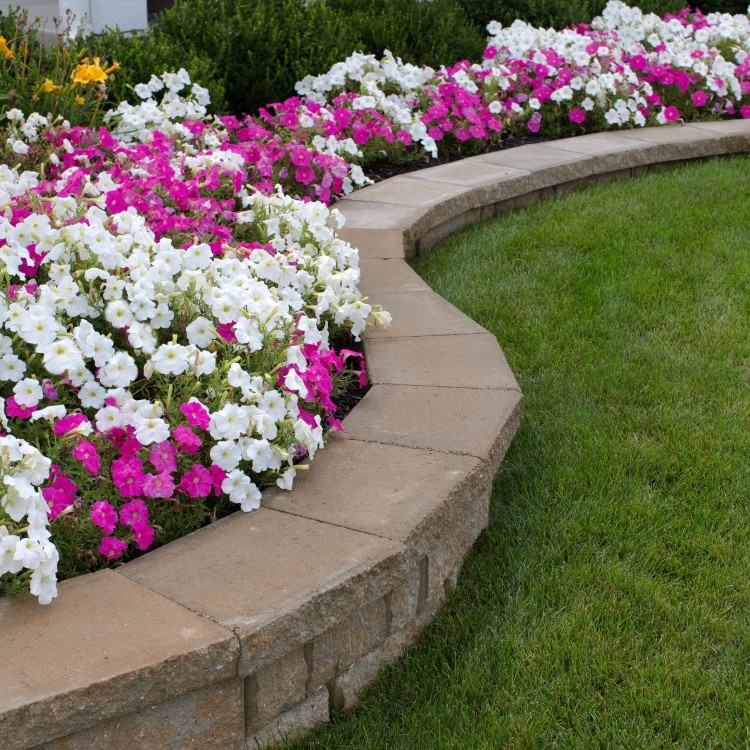
Bermuda TIFway419
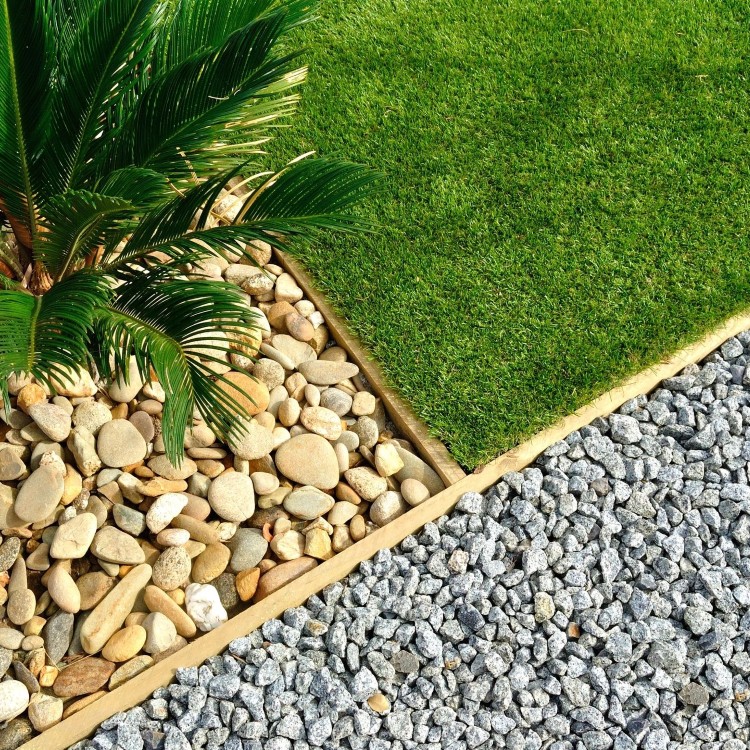
Zoysia Palisades
Zoysia Palisades is a popular variety of Zoysia grass, known for its versatility, durability, and attractive appearance. Here are its key characteristics:
1. Texture
Medium to coarse blade texture, which makes it soft to the touch but still resilient enough for high-traffic areas.
2. Color
A rich, deep green color that maintains its lush appearance through much of the growing season.
3. Shade Tolerance
Excellent shade tolerance, capable of thriving in both full sun and partially shaded areas, which makes it a good option for lawns with varied light conditions.
4. Drought Tolerance
Very drought-tolerant due to its deep root system. It can go longer periods without water, making it a water-efficient grass for homeowners.
5. Heat Tolerance
Handles heat well, thriving in warm climates, which makes it a good choice for southern regions.
6. Growth Rate
Has a moderate growth rate, which means it requires less frequent mowing compared to faster-growing varieties like Bermuda grass.
7. Maintenance
Generally low-maintenance, requiring less fertilization and pest control than some other turf types. It also resists diseases and pests.
8. Wear Tolerance
Good wear tolerance, suitable for high-traffic areas like backyards, playgrounds, and commercial properties.
9. Thatch Production
Produces less thatch compared to other Zoysia varieties, reducing the need for dethatching.
10. Cold Tolerance
While primarily a warm-season grass, it has better cold tolerance compared to some other Zoysia varieties, allowing it to survive mild winters.
Zeon Zoysia is a premium warm-season grass known for its fine texture, durability, and adaptability. Here are some key characteristics:
1. Fine Leaf Texture
Zeon Zoysia has a fine, soft leaf texture, making it more aesthetically pleasing and comfortable for barefoot walking. It has a lush, carpet-like appearance.
2. Shade Tolerance
One of the most shade-tolerant zoysia varieties, Zeon Zoysia performs well in areas that receive 3–4 hours of sunlight per day, making it a good choice for lawns with partial shade.
3. Drought Tolerance
Zeon Zoysia is highly drought-tolerant due to its deep root system. It can survive with less water once established, although regular watering is still recommended for optimal growth.
4. Low Maintenance
This grass variety requires less mowing compared to other types of grass, typically needing a trim every 7–10 days during the growing season. It also thrives with minimal fertilizer and care.
5. Disease and Pest Resistance
Zeon Zoysia is naturally resistant to many pests and diseases, reducing the need for chemical treatments. It has strong resistance to common lawn issues like fungal diseases.
6. Heat Tolerance
As a warm-season grass, Zeon Zoysia excels in hot climates, thriving in temperatures between 75°F and 95°F. It remains green longer into the fall and greens up early in the spring.
7. Wear and Traffic Tolerance
Zeon Zoysia handles moderate foot traffic well, making it a great option for home lawns, parks, and recreational areas. However, it may require recovery time if subjected to heavy use.
8. Slow Growth Rate
Although slow to establish compared to other sod varieties, its dense, slow growth reduces the need for frequent mowing and makes it more resistant to weed invasion.
9. Winter Dormancy
In colder climates, Zeon Zoysia will go dormant during the winter months, turning brown until warmer weather returns. It handles dormancy well and greens up quickly in spring.
10. Environmental Adaptability
Zeon Zoysia adapts to a variety of soil types, including sandy, loamy, and clay soils, though it performs best in well-drained, fertile soils with a pH between 6.0 and 6.5.