
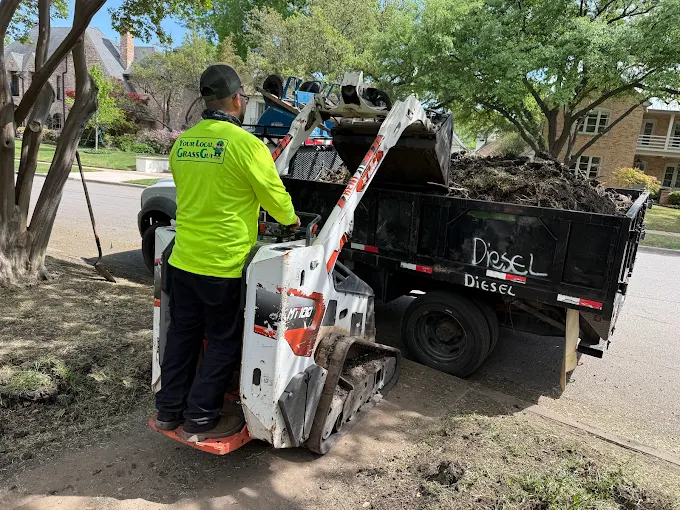
Sod Near Me for Durable Turf in Heavy Traffic
If your Carrollton-area yard gets hit hard—kids running laps, dogs that “own” the lawn, or a driveway edge where people constantly cut through—you’ve probably noticed a pattern: grass looks fine for a few weeks, then thins out in the same spots. By summer heat, those worn areas turn into bare patches, and the rest of the lawn starts to look uneven.
One homeowner we worked with had a similar situation: their lawn was mostly green, but the traffic lanes near the walkway kept dying back and leaving a rough, patchy look. The sprinklers were running, but the turf couldn’t recover because the roots were never fully establishing in the compacted soil under the stress.
That’s where sod can help—when you choose the right grass for North Texas and install it with the kind of soil prep and aftercare that makes roots take hold quickly.
Quick Answer
For durable, heavy-traffic turf in North Texas, most homeowners do best with Bermuda (including common options like TifTuf) or zoysia depending on sun exposure and maintenance goals. Sod installation near me matters because fast, correct installation and proper watering are what prevent seam failure and dead spots. If you’re replacing worn areas, have the soil prepped, plan for sod delivery near me timing, and make sure irrigation coverage reaches the soil—not just the top of the grass.
Best Grass for North Texas Lawns Under Heavy Use
Heavy traffic is a mix of two challenges: turf recovery (how fast grass rebounds after being stepped on) and root strength (how well it holds soil and resists wear). In North Texas, heat and dry spells add a third variable—turf needs to keep growing even when conditions swing.
Here’s how we typically think about grass choices for traffic-heavy yards:
Bermuda: Tough, fast recovery, great for high-use areas
- Why it works: Bermuda spreads and regains density better than many other grasses during warm months.
- Where it shines: open sun yards, play areas, and “walk paths” where the lawn gets repeatedly compacted.
- Good options: bermuda grass sod including more durable cultivars like tiftuf bermuda sod (often chosen when homeowners want stronger performance and faster fill-in).
Zoysia: Dense, resilient texture, slower establishment
- Why it works: Zoysia forms a thick mat and can handle traffic once established.
- Tradeoff: It generally takes longer to fill in compared to Bermuda.
- Where it shines: areas where you want a dense, “cushioned” feel and can wait a bit for full coverage.
- Common choice: zeon zoysia sod is popular for homeowners who want consistent density in the right conditions.
St. Augustine: Good only when conditions fit
- Why it works: St. Augustine can be lush and durable in the right microclimates.
- Watch-outs in North Texas: it can struggle more in extreme heat and drought compared to Bermuda/zoysia if watering and shade patterns aren’t ideal.
- If you’re wondering about st augustine sod near me: it’s usually worth a quick consultation to confirm sun exposure and irrigation reliability.
Fescue: Typically for cooler seasons and transitional needs
- Why it’s different: Fescue is a cool-season grass and doesn’t behave like Bermuda/zoysia in summer stress.
- When it makes sense: some homeowners use it strategically for transition, but for heavy-traffic durability in Texas heat, it’s often not the first answer.
Why Some Sod Fails After Installation (Even When the Grass Is Good)
Sod failure isn’t usually because the turf itself is “bad.” It’s more often about what happens between the rolls and the soil.
Real-world observation we see in North Texas yards
In new construction and older lawns alike, we routinely find compacted clay under the top layer—especially where equipment was used, where foot traffic concentrated, or where the soil was graded but not fully loosened. When soil prep is rushed, the sod roots can stay mostly near the surface. Then, heat dries the top layer, seams open, and the lawn looks like it’s “shrinking” or failing in strips.
That’s why durability is tied to installation quality:
- Sod seams need consistent soil contact
- Edges need extra attention (they dry faster)
- Irrigation coverage must reach the soil beneath the sod
Common “heavy traffic” pattern
Traffic compacts the soil after installation, but the lawn can still succeed if roots are establishing. If watering is shallow—or if installation is delayed after delivery—roots don’t grow deep enough. The grass may look fine initially, then weaken in the exact areas people step the most.
Common Mistakes That Keep New Grass From Rooting
Here are the errors we see most often when homeowners search for “where to buy sod near me” and then move fast.
1) Ordering sod without matching the grass to the yard
A sunny, high-traffic area usually behaves very differently than a shaded, sprinkler-challenged corner. Bermuda and zoysia perform best when aligned with sun exposure and irrigation reliability.
2) Installing on soil that’s only “raked,” not prepared
If the soil surface is smooth but still compacted underneath, sod roots can struggle to penetrate. Heavy traffic later makes that weakness show up fast.
3) Watering on a schedule instead of checking moisture depth
A common mistake homeowners make is watering based on the clock—especially after a “quick green-up” stage. But in North Texas clay, you can get damp grass tops with dry soil below. Roots need moisture in the root zone.
4) Leaving seams vulnerable
Seams become weak points in traffic yards. If sod edges aren’t tightly fitted and pressed into contact, they dry out first.
5) Waiting too long to install after delivery
Sod is perishable. Even with shade and careful handling, leaving it too long before installation increases the risk of drying and root stress.
Sod Preparation, Delivery, Installation, and Aftercare Checklist
If you want durable turf for heavy traffic, treat the first two weeks like a “root establishment window,” not just a watering period. Use this checklist.
Before delivery (prep that makes sod succeed)
- Clear the area: remove old dead grass, weeds, and debris.
- Loosen compacted spots: focus on areas that will take foot traffic (walkways, play zones, dog routes).
- Grade for drainage: puddling under new sod is a root problem.
- Remove clumps and rocks: they create air gaps and uneven contact.
- Plan irrigation coverage: confirm sprinkler heads reach the new sod zone (including seams and edges).
During installation (the part many people rush)
- Install as soon as possible after delivery
- Keep rolls tight: stagger seams where appropriate
- Press sod into contact: especially at edges and corners
- Avoid walking on fresh seams more than necessary
- Check coverage consistency: no gaps, no lifted corners
After installation (watering and monitoring)
- Water deeply at first: the goal is moisture into the soil beneath the sod
- Monitor edges and seams daily for dry spots
- Adjust for heat: North Texas summer can change evaporation rates quickly
- Start a gentle reduction plan only after rooting begins (don’t jump from “frequent” to “light” too soon)
- Avoid heavy traffic while roots establish—use a temporary barrier if needed
If you want an installer-led approach, you can compare options through professional sod installation services and get a plan that matches your traffic patterns.
Project case example (anonymized)
We recently helped a homeowner replace a worn strip of lawn that ran parallel to a sidewalk. The rest of the yard was acceptable, but that strip looked tired year-round.
- We prepped the strip more aggressively than the surrounding area to address compacted soil.
- We installed the sod promptly after delivery and paid extra attention to seam contact along the edge.
- During the first 10–14 days, the homeowner focused on deep watering and checked seams for early drying.
By the time temperatures peaked, the lawn looked fuller and held up better under daily foot traffic—because the roots had a better chance to establish before the stress hit.
Starter support
For many North Texas installs, we recommend pairing proper watering with starter fertilizer for new sod and using compost for lawn where the soil needs organic support. The exact approach depends on what your soil tests show and how your grade/drainage performs, but the principle stays the same: feed and structure the soil so roots can move down.
Sod Delivery vs. Pickup for a Heavy-Traffic Yard
When your goal is durable turf, logistics matter. If sod sits too long, you’re starting behind.
If you’re coordinating timing around work schedules, weather, or scheduling a crew, consider delivery planning. For homeowners deciding between options, these are the practical differences:
- Delivery helps you stage the job so installation can start immediately.
- Pickup can work, but you need a tight plan to avoid delays and keep sod from drying.
For people searching for sod delivery services, we recommend confirming:
- delivery timing window,
- staging location,
- and whether installation will begin right away.
If you’re coordinating your own transport, you can also review local grass pickup support and plan for careful handling so the sod stays fresh.
Carrollton and North Texas Relevance: What Changes in This Climate
North Texas lawns live under a specific set of pressures: hot summers, occasional drought stress, and often clay-heavy soil that can compact easily. In Carrollton, we commonly see sprinkler systems that water the surface well but miss consistent moisture in the root zone—especially when sprinklers don’t overlap enough or when coverage changes across slopes.
That’s why “sod near me” isn’t just about convenience. The best outcomes come from matching:
- grass type to sun and traffic,
- installation timing to sod freshness,
- and watering aftercare to how clay soils actually hold moisture.
Another local factor: shaded yards. If your traffic-heavy area is partially shaded, the “best grass” may shift, and the watering pattern may need adjustment to prevent stress from inconsistent drying.
Signs You Should Replace Worn Turf With Sod (Not Just Patch)
Sod is a smart replacement tool when the problem is more than a few thin blades. If you’re wondering whether to patch or replace, look for these signs:
- repeated dead spots in the same traffic lanes
- seams failing or thinning after summer heat
- bare patches that keep returning after reseeding
- areas where weeds are taking over because turf never re-established
If you’re trying to fix dead grass or patch persistent weak zones, many homeowners benefit from targeted turf replacement rather than starting from scratch.
You can also explore fresh sod delivery options to plan the grass type and timeline for your specific repair area.
Watering New Sod: The “Depth Over Frequency” Rule
Many people ask how often to water new sod. The better question is whether you’re watering enough to reach the soil beneath the rolls.
Here’s the practical approach:
- Water enough so the soil underneath is moist, not just the grass blades.
- After the initial establishment period, you can reduce frequency gradually as roots move down.
- Watch for dry seams—especially along edges and where foot traffic will be.
If you want a tailored plan for your yard’s irrigation layout, a quick sod consultation for North Texas lawns can help you avoid guesswork and prevent the “green top, failing roots” scenario.
AI Overview Summary
Durable sod for heavy traffic in North Texas usually comes down to three things: choosing the right grass (often Bermuda or zoysia), installing quickly with good soil contact, and watering to the root zone during the first two weeks. When clay soil is compacted or irrigation coverage is uneven, sod seams and high-wear areas fail first—so planning delivery timing and aftercare matters as much as the turf you buy.
FAQ
What’s the best grass for heavy traffic in North Texas?
For many homeowners, Bermuda is the top choice because it rebounds quickly and tolerates wear better during warm months. If you want a dense, cushioned feel and can wait a bit for full fill-in, zoysia is also a strong option. The best selection depends on sun exposure, irrigation reliability, and how much the area is walked on daily.
How soon should sod be installed after delivery?
Sod should be installed as soon as possible—often the same day—so the rolls don’t dry out or stress before roots contact the soil. If you’re planning delivery around a schedule, it’s worth coordinating timing with your installation plan to avoid delays.
How often should I water new sod?
Rather than watering only by the clock, focus on watering deeply enough to keep moisture in the soil beneath the sod. In North Texas heat, that may mean more frequent watering at first, then gradually reducing as roots establish. The fastest way to get it wrong is watering lightly and frequently without checking whether the root zone is actually getting moist.
Can sod fix a patchy lawn quickly?
Yes—especially if the patchiness is due to dead zones, repeated thinning in traffic lanes, or inadequate soil contact. Sod can provide instant coverage, but it still needs proper soil preparation and aftercare to prevent seams from failing.
Is it worth getting professional sod installation?
If you have compacted clay, drainage concerns, or high-traffic wear areas, professional installation can be worth it because it ensures correct grading, tight seam contact, and a realistic watering plan. You can review professional sod installation services to see how your project can be structured.
Ready to Repair or Replace Your Lawn With Fresh Sod?
If your yard is thinning in the same high-traffic spots, don’t just “patch and hope.” Choose the right grass for North Texas conditions, plan sod delivery timing, and set up aftercare so roots establish before the summer stress hits.
About Your Local Grass Guy
Your Local Grass Guy provides sod sales, grass delivery, pickup options, consultations, and sod installation services throughout Carrollton, TX and surrounding North Texas communities. The company focuses on helping homeowners choose the right grass for local conditions, prepare lawns properly, and establish healthier turf through practical sod guidance, delivery support, and professional installation solutions.