
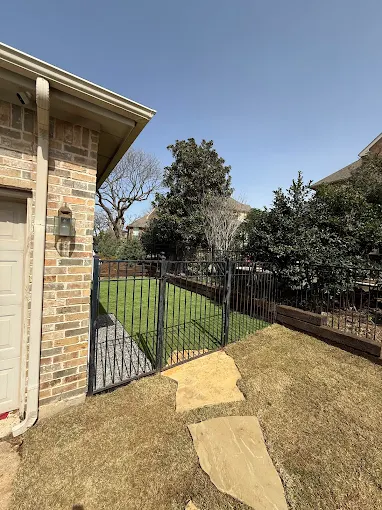
Lawn Sod Installation: Fast Coverage With Local Help
Last summer, a Carrollton homeowner called because their “new sod” looked great for about a week—then the seams went thin and a few strips started to lift. They were watering on a timer, but the hot afternoon sun and North Texas clay soil meant the moisture never consistently reached the root line. By the time they noticed the problem, the grass had already started establishing shallow roots.
If you’re considering lawn sod installation to replace patchy turf, improve curb appeal, or get a usable yard faster, the timing is only half the story. The other half is what happens to the soil before the first pallet ever rolls onto your driveway.
Quick Answer
For fast, reliable coverage, plan for three things: (1) correct grass selection for your sun and traffic, (2) soil prep that lets roots penetrate (not just sit on top), and (3) installation and watering that happen quickly after sod delivery. In North Texas, sod success usually comes down to moisture getting to the soil underneath the seams during the first 2–3 weeks.
Why “Fast Coverage” Works Best When You Install Like a Pro
Sod is essentially a living mat. Your goal isn’t just to make it look good the day it’s installed—it’s to help roots grab hold before heat and drying conditions stress the top growth.
Here’s what we commonly see in North Texas yards: the sod itself may be healthy, but the soil beneath is compacted, uneven, or too dry. When that happens, the sod can still look alive for a short window while the roots struggle to establish. Then you see:
- seams turning brown first
- footprints staying visible longer than expected
- edges lifting after the first warm, windy week
- patchy “islands” where sprinkler coverage is inconsistent
Firsthand observation from the field
On one recent installation, we noticed the low spots along a sprinkler head line were holding water on top but staying dry below due to compaction. The sod didn’t fail immediately—it browned at the seams because roots weren’t able to grow into loosened soil. Once we leveled, lightly loosened the compacted layer, and adjusted sprinkler coverage, the lawn stabilized quickly.
That’s the difference between “sod on the surface” and “sod that roots.”
What Homeowners Often Overlook
Common mistake homeowners make: watering on the schedule, not the soil
Many homeowners water new sod on a timer without checking whether the water is reaching the soil underneath. In North Texas, clay can form a crust. Even if the top looks wet, roots may not get consistent moisture where they need it most.
A quick test helps:
- After watering, lift a corner of sod (or check an edge) at about 24 hours.
- If the soil underneath is dry or hard, the watering is not penetrating enough.
Another common mistake: choosing the wrong grass for the yard conditions
North Texas lawns aren’t one-size-fits-all. If you pick a grass that doesn’t match your shade level, mowing habits, or summer heat tolerance, you’ll spend the first year fighting stress instead of improving establishment.
For example:
- Bermuda often performs well in full sun and tolerates heat, but it needs the right mowing rhythm.
- St. Augustine can work in more shaded areas but may struggle if drainage or watering are off.
- Zoysia can be durable but establishes more slowly than you might expect.
Third mistake: delaying installation after delivery
Sod needs to be installed quickly after it’s delivered. If it sits too long—especially on hot days—roots begin drying out and the mat tightness changes. That can cause gaps at seams and uneven rooting.
Sod Preparation, Installation, Delivery, and Aftercare Checklist
If you want the “fast coverage” look without the “fast failure” reality, use this workflow.
Before sod arrives (soil prep)
- Clear and grade: Remove old dead turf, weeds, and debris. Level low/high spots so water doesn’t pool.
- Loosen compacted soil: In many Carrollton-area yards, clay compaction is the silent root-killer. Lightly loosen the top layer so roots can penetrate.
- Address drainage: If water stands in one area, sod will suffer—even if it’s the right grass.
- Weed control: Prevent new weeds from breaking through right after installation.
During installation (to protect the living mat)
- Lay straight rows tightly: Butt seams without stretching gaps.
- Stagger joints: Avoid long seam lines that open up as the sod settles.
- Roll the lawn: Rolling improves contact between sod and soil so roots can grab hold.
Watering new sod (root establishment depends on this)
For the first 10–14 days, you’re aiming for moisture at the soil level—deep enough to encourage rooting, not shallow enough to keep the top green while roots stay weak.
A practical approach we use:
- Water early morning to reduce evaporation.
- Keep it consistently moist through the first few days.
- Then transition to deeper, less frequent watering as roots establish.
Starter nutrition and soil support
New sod benefits from a starter fertilizer plan and soil amendments when needed (especially in thin, compacted, or nutrient-poor areas). Compost can help improve soil structure, but it should support the existing soil—not float on top.
If you want help building a simple aftercare plan for your specific yard, start with a sod consultation for North Texas lawns so you’re not guessing.
Quick Comparison: Which Grass Fits Your Goal?
Here’s a simple way to decide what to order.
| Grass | Best Fit | What to Watch |
|---|---|---|
| Bermuda | Sun-heavy yards, active lawns | Needs consistent mowing; heat tolerance is great with proper watering |
| Zoysia | Durable, lower-maintenance goals | Can establish more slowly; good soil prep still matters |
| St. Augustine | More shade, comfort-focused yards | Requires attention to moisture and drainage for best results |
| Fescue | Cooler-season choice in some situations | Often not the best long-term match for hot summer stress without proper strategy |
If you’re unsure, we recommend matching the grass to your sun exposure and how much time you can realistically spend maintaining it.
Recommendation for North Texas homeowners
If your goal is a strong, warm-season lawn that can handle summer stress, Bermuda is often a top contender in full sun. In more shaded yards, St. Augustine or Zoysia may be a better fit depending on drainage and irrigation consistency. The most “beautiful” sod is the one that fits your yard.
Why Some Sod Fails After Installation
Sod failure isn’t usually about “bad sod.” It’s usually one of these:
1. Soil wasn’t prepped enough (roots can’t penetrate compacted clay)
2. Water doesn’t reach the root zone (sprinklers cover the top, not the soil)
3. Installation gaps form at seams (sod dries or settles unevenly)
4. Heat stress hits before roots anchor (especially when installation is delayed)
A common pattern is that the lawn looks fine for a few days, then the first hot, windy stretch arrives and the seams begin to thin. That’s your cue that the root establishment stage didn’t go as planned.
Our Experience With Grass Installation in Texas Conditions
In North Texas, we plan around a reality many homeowners don’t see: compacted soil and uneven irrigation coverage.
One anonymized project example:
- A family wanted to replace grass with sod before hosting a backyard gathering.
- We installed sod quickly, but we also found two sprinkler heads that didn’t reach the far corners.
- The sod looked great initially, then browned at the edges near those coverage gaps.
- The fix wasn’t ripping everything out—it was adjusting sprinkler angles, improving soil contact where needed, and tightening the watering schedule during establishment.
That’s why we emphasize a coordinated plan: delivery timing, installation pace, and watering verification.
Sod Delivery vs Pickup: Getting the Timing Right
If you’re trying to move fast, delivery often helps you keep sod from sitting too long. If you’re picking up yourself, you need a plan for unloading and install sequencing.
To compare options and choose the right approach for your yard, you can review sod delivery services and local grass pickup support.
If you’re aiming for faster turnaround, ask about professional sod installation services so the sod is laid immediately and watered correctly.
Carrollton / North Texas Relevance: The Clay Soil Factor
Carrollton and the surrounding North Texas area can be tough on new lawns—not because homeowners can’t succeed, but because clay soil behaves differently than many people expect.
In compacted clay:
- water can sit on top before draining unevenly below
- roots struggle to penetrate if the top layer isn’t loosened
- seams become the weak points when moisture is inconsistent
That’s why we treat “soil prep” as part of installation—not an optional step. It’s also why grass selection and watering schedules should be tied to how your sprinkler system actually covers the lawn.
Sod Installation Checklist (Copy/Paste for Your Plan)
- Confirm your grass choice matches sun/shade and mowing preferences
- Schedule delivery so installation starts immediately
- Prepare soil: remove old turf, loosen compacted areas, grade for drainage
- Lay sod tight with staggered seams; avoid gaps
- Roll sod for solid soil contact
- Water early morning; verify moisture reaches the soil underneath
- Adjust irrigation coverage for corners, edges, and sprinkler overlap
- Use starter fertilizer and soil support based on your soil needs
- Monitor for lifting seams or browning edges during the first 2–3 weeks
FAQ
How soon should sod be installed after delivery?
Ideally, sod should be installed the same day it’s delivered. When sod sits in hot Texas conditions, the outer edges can dry out and the mat tightness changes, which can lead to seam gaps and uneven rooting. If a delay is unavoidable, discuss options with your supplier so you can reduce drying and maintain moisture.
How often should I water new sod in the first week?
In the first 7–14 days, the goal is consistent moisture—especially at the soil level underneath the sod. Many lawns start with more frequent watering early on, then transition to deeper, less frequent watering as roots begin to anchor. The exact schedule depends on sun exposure, sprinkler output, and soil drainage, so it’s best to base it on coverage checks and how the soil responds.
Will starter fertilizer help new sod establish faster?
Starter fertilizer can support root growth during establishment, especially when soil is thin or nutrients are low. Pairing fertilizer with proper watering is key—fertilizer without consistent moisture can stress young roots. A simple plan is usually better than over-applying.
Can sod fix a patchy lawn quickly?
Yes—sod can fix patchy areas fast, but only if the underlying issues are addressed (compaction, poor drainage, sprinkler gaps, or dead turf from drought stress). If you lay sod over unhealthy or compacted soil, you may get short-term green coverage with early seam failure.
Ready to Repair or Replace Your Lawn With Fresh Sod?
If you want a lawn that looks good immediately and actually roots in reliably, start by planning the grass type and your delivery/installation timing. A quick consult can help you avoid the common establishment problems we see in North Texas—especially around watering coverage and compacted clay.
About Your Local Grass Guy
Your Local Grass Guy provides sod sales, grass delivery, pickup options, consultations, and lawn installation services throughout Carrollton, TX and surrounding North Texas communities. We focus on helping homeowners choose the right turf for local conditions, prepare lawns properly for root establishment, and follow practical aftercare steps so new sod settles in strong.