
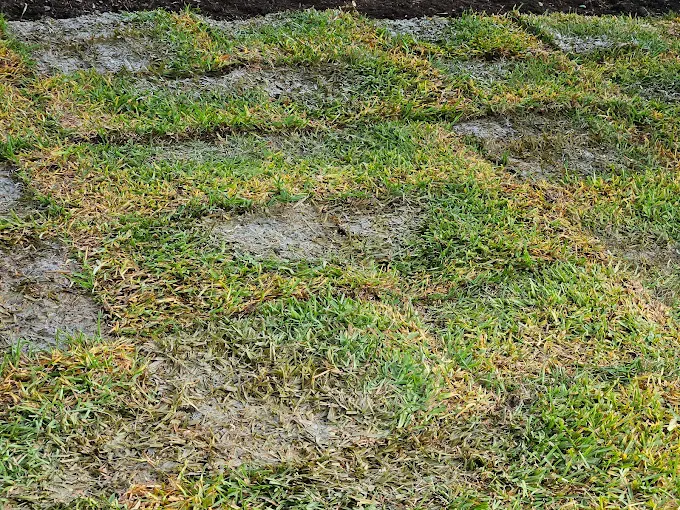
If your yard in Carrollton, TX got battered by heavy rain, you might be staring at bare patches, lifted grass, and muddy spots that are hard to fix the “slow” way. This guide explains how to decide when to replace grass with sod, what to check before installation, and how to recover a patchy lawn so the new turf can take root.
After a heavy rain, it is common to notice areas where the lawn looks thin or dead, especially where water pooled or runoff ran across your yard. You might also see grass that has loosened from the soil, seams that have opened, or bare spots where the top layer washed away.
If you are considering sod installation near me, the right next step is not just buying fresh sod near me. It is deciding whether the ground is ready, whether the damage is only surface-level, and what to do so the new lawn can establish instead of drying out or washing again.
This guide will help you understand what to check first, the main factors behind successful lawn sod installation, and the most common mistakes homeowners make after rain damage. You will also get a practical checklist you can follow in Carrollton, TX and nearby areas.
- Quick answer
- What to check first
- Main things customers should understand
- Why this matters in Carrollton, TX
- Common mistakes to avoid
- Customer checklist
- Frequently asked questions

Quick Answer
If heavy rain left bare or lifted areas, replacing grass with sod often restores coverage faster than reseeding. Before you order, confirm the soil is firm enough to walk on without making ruts, and remove any loose or washed-out debris so sod can sit flat. For the best results, choose sod that matches your Texas lawn needs, plan watering for new sod, and avoid installing on muddy ground that will shift. If you are unsure about the extent of damage, start with a consultation to map what needs repair and what can be patched.
What to Check First
Start with a quick “damage survey.” Walk the yard and note where the lawn is actually failing. Heavy rain damage is not always uniform. Some areas only look patchy on top, while others have a washed-out soil layer or standing-water problems that will keep sabotaging the repair.
1) Test the ground stability
If the soil is still soft or you leave deep footprints, wait. Installing sod on unstable ground can create seams and weak contact, which makes it harder for roots to establish.
2) Check for pooled-water paths
Look for low spots where water collected. If you just replace grass without addressing runoff paths, the same area can fail again after the next storm.
3) Inspect edges and seams
Lawn repair with sod works best when the new pieces can meet existing turf cleanly. If the surrounding grass is loose, it may need to be pulled back to create a solid foundation.
Professional observation: After rainfall, the “problem” is often less about the grass itself and more about soil contact. Sod needs consistent contact with the ground to anchor and drink water. If the surface is uneven or muddy, the installation can look fine at first and still fail during rooting.
Main Things Customers Should Understand
Lawn sod installation is a system: preparation, correct grass selection, proper placement, and early watering. The goal is to replace damaged coverage while giving the new turf the conditions it needs to root quickly and blend with the rest of your yard.
| Situation you’re seeing | What it usually means | What to do next |
|---|---|---|
| Small bare patches after rain | Top growth may have washed out, but the soil may still be workable | Consider patchy lawn solutions using lawn sod installation to replace only the damaged sections |
| Lifted grass or seams opening | Soil contact was disrupted, often by puddling or runoff | Plan to re-level the area and install new sod so it sits flat with tight seams |
| Widespread thinning across multiple areas | Rain may have exposed or moved more than surface grass | Replace larger zones and confirm that drainage paths are not re-creating runoff |
| Repeated failure in the same low spot | Water has a preferred route through your yard | Address the water flow before or during sod replacement to prevent another cycle of damage |
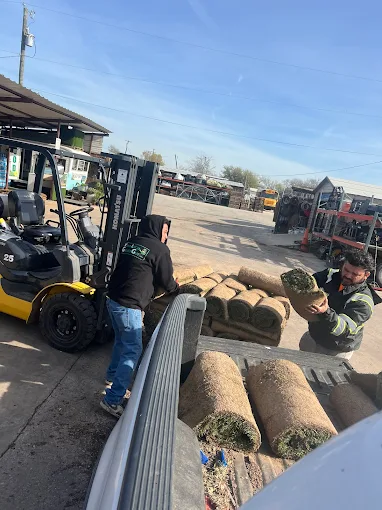
As a practical rule of thumb, the best approach for “sod near me” searches is to match the repair plan to the actual damage. If you need sod for sale near me, focus on ordering the right amount for your specific replacement area, and coordinate delivery so the turf can be installed promptly after arrival. If you are comparing sod delivery services, also think about access: driveways, gates, and how close the delivery can get to the work area.
Customer-focused tip: If you are also thinking about buying a pallet of sod, make sure you estimate based on the replacement footprint, not the total yard size. Over-ordering can leave sod sitting longer than it should, while under-ordering can force seams that are harder to blend.
Why this matters in Carrollton, TX
In Carrollton, TX, heavy rain events can turn yards into temporary channels. That is why homeowners often notice damage along slope lines, near downspouts, or where runoff funnels toward a driveway or fence line. When you are planning fresh sod near me or sod installation services, you want the repair to “stay fixed” after the next storm, not just look covered on day one.
Choosing the right type of sod matters for Texas lawns. Many homeowners in the area ask about bermuda sod near me, bermuda grass sod, tiftuf bermuda sod, st augustine sod near me, zoysia sod near me, zeon zoysia sod, and fescue sod. Your Local Grass Guy can help you decide what makes sense for your yard conditions and how you plan to care for the new lawn, including watering new sod and lawn care after sod installation.
Once the sod is down, your fastest path to a stable lawn is consistent early care: starter fertilizer for new sod when recommended for your setup, watering new sod on an appropriate schedule, and staying mindful of pre emergent lawn treatment timing so you do not interfere with establishment. If you are planning compost for lawn use later, it should support healthy growth without smothering newly rooted sod.
Need help choosing sod for your rain-damaged areas?
If you want lawn repair with sod that actually holds up after storms, start by discussing what sections need replacement and what watering plan will fit your yard. Your Local Grass Guy serves Carrollton, TX and nearby areas.
Talk to Your Local Grass GuyCommon Mistakes to Avoid
Most sod problems after heavy rain come from skipping one key step. The new turf may look good briefly, but rooting fails when the surface is unstable, seams are left open, or watering is inconsistent.
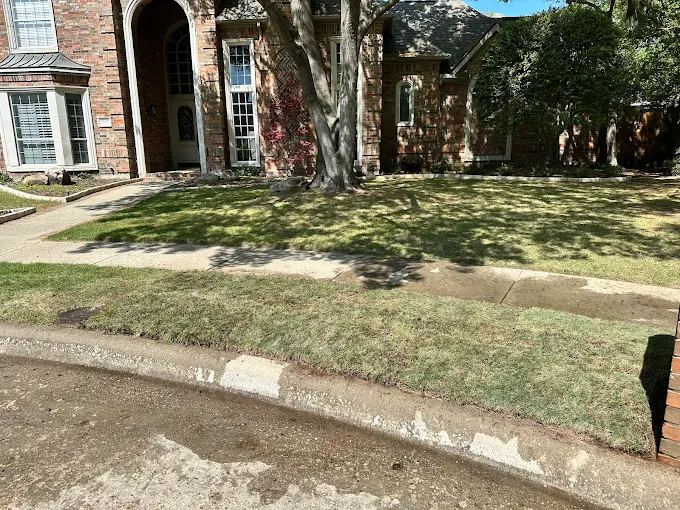
- Installing on muddy or shifting ground (sod needs solid contact to root).
- Leaving washed-out debris or uneven spots (creates gaps where roots cannot make steady contact).
- Overlapping pieces or forcing seams (tight seams help the lawn knit together for a smoother finish).
- Delaying delivery and letting sod sit (fresh sod near me works best when it is installed soon after it arrives).
- Using the wrong watering approach (watering new sod too little slows rooting; too much can keep the surface unstable early on).
- Jumping into other treatments too soon (timing matters for pre emergent lawn treatment and early establishment).
Representative scenario: A homeowner in Carrollton, TX noticed dead grass in a narrow strip near the driveway after a storm. They bought sod from a local sod supplier, but the area stayed soft for a few days. The seams opened within a week because the ground shifted. After correcting the surface and re-installing the sod with better contact and a consistent watering plan, the patch blended in and stopped failing after rain.
Customer Checklist
Use this checklist before you schedule sod installation near me. It keeps the process practical and helps you avoid surprises when the work starts in your yard.
- Mark the replacement areas (bare patches, lifted sections, and any runoff paths where grass keeps failing).
- Check soil readiness by walking the area and looking for ruts or excessive softness.
- Plan delivery and access so sod can be installed promptly after delivery.
- Confirm sod type for Texas lawns based on your yard conditions and desired lawn performance (for example, bermuda, zoysia, st augustine, or fescue).
- Plan early watering for watering new sod and keep the surface consistent during rooting.
- Set expectations for lawn care after sod installation including starter fertilizer timing and when to resume other lawn treatments.
Installation support
Review how sod installation services work so you know what to expect during lawn repair with sod.
Delivery planning
If you are coordinating sod delivery near me, these details help you line up the schedule with your install time.
Pick-up option
For homeowners who prefer to manage timing, you can also consider pick-up instead of delivery.
Frequently Asked Questions
How soon after heavy rain can I install fresh sod?
You generally want to wait until the ground is firm enough that you can walk without creating ruts or shifting soil. If the surface is still muddy, sod may not sit flat, and seams can open when the turf settles. In Carrollton, TX, it is also smart to look at how water behaves on your property. If you see puddling or runoff channels, plan for surface readiness and consistent early watering after installation so the new lawn has a chance to root.
What is the best grass for Texas lawns after rain damage?
The “best” choice depends on your yard conditions and how you plan to care for the lawn. Many homeowners ask about bermuda sod near me, st augustine sod near me, zoysia sod near me, and fescue sod. Your Local Grass Guy can help you select an option that fits Texas lawn needs and your maintenance approach. The right grass also needs the right early care, including watering new sod and a plan for lawn care after sod installation.
Can I patch only the damaged areas instead of replacing the whole yard?
Often, yes. If the damage is limited to specific bare or lifted sections, patching with lawn sod installation can be a practical approach. The key is to remove loose material and ensure the new sod has solid contact with the ground. If the surrounding turf is also unstable or if water keeps funneling into the same spot, you may need to replace a larger zone. A consultation can help you map what to repair so you do not end up repeating the same fix.
Do I need to buy a pallet of sod, and how do I estimate amount?
Buying a pallet of sod can make sense for larger replacement areas, but the right amount depends on the footprint you are restoring. A common mistake is estimating based on the entire yard instead of the damaged area. Measure the sections that need replacement, consider how you will handle seams and edges, and plan for the sod to be installed promptly after delivery. If you are comparing where to buy sod near me or local sod supplier options, ask about how sod is handled from delivery to install.
What should I do for lawn care after sod installation?
Focus on establishing contact and consistent moisture during rooting. That usually means a clear watering plan for watering new sod, then following through with lawn care after sod installation based on your turf type. Homeowners often ask about starter fertilizer for new sod and when to resume other treatments like pre emergent lawn treatment. Timing matters because early establishment is when the sod tries to anchor. If you want to improve lawn quickly, the best results come from staying consistent, not rushing extra steps.
Get the right sod plan for your Carrollton yard
If your lawn looks patchy after heavy rain, the next step is a repair approach that matches the real damage. Your Local Grass Guy can help you choose sod and coordinate the process for sod installation near me in Carrollton, TX and surrounding areas.
Browse Sod Options
Your Local Grass Guy
Your Local Grass Guy provides sod grass sales, sod delivery services, and lawn sod installation support for homeowners and property managers in Carrollton, TX and nearby areas. If you are dealing with patchy lawn solutions after heavy rain damage, the focus is on choosing the right sod and pairing it with preparation and early lawn care so the new turf can establish successfully.
Prefer to call? Call (945) 298-7483
Visit yourlocalgrassguy.com to learn more about sod installation services, delivery options, and consultation support.