
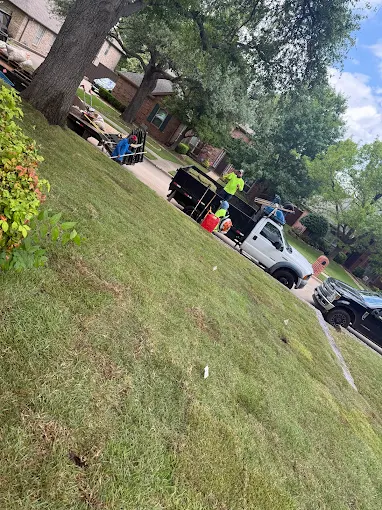
Professional Sod Installation Near Me: Clean, Tight Seams
The fastest way we see a “new lawn” turn into a patchy one in Carrollton is surprisingly simple: seams dry out. A homeowner will get fresh sod delivered, lay it out carefully, and still notice the next week that the edges between strips look weak—sometimes brown, sometimes “crinkly,” sometimes pulling up with a light tug.
A tight-seam installation isn’t just about looks. In North Texas, your seams are where water management, soil contact, and turf-to-soil rooting all show up at once. If the seams don’t stay consistently moist and pressed into the soil, roots don’t bridge the gaps—so the lawn fails in the exact places you can least afford to lose.
Quick Answer
For clean, tight seams, professional sod installation comes down to three things:
1) prepping the base correctly (level, firm, and free of clumps/voids),
2) installing in the right window after delivery (so the sod stays alive and pliable), and
3) getting full contact at every edge (cut, butt-join, roll, and water deeply).
If you’re searching for “sod installation near me,” the best results usually come from pairing sod timing + soil prep + aftercare, not just choosing a good-looking pallet.
Clean, Tight Seams: What We Actually Do on Install Day
When we install sod, we treat seam quality like a structural issue, not a cosmetic one. Here’s what that looks like in the field:
1) We start with a base that “matches” the sod
North Texas clay can look solid and level on top but still be uneven beneath. If there are soft spots, ruts, or debris pockets, the sod edges won’t sit flat. That creates micro-gaps—tiny spaces where roots struggle to bridge.
Our process focuses on:
- removing old thatch and debris
- breaking up compacted areas
- leveling high spots and correcting low spots
- firming the soil so it’s supportive (not muddy)
2) We cut and butt-join for real contact
Loose seams often come from sod being laid like a “puzzle” with visible spacing. A professional approach is to:
- stagger joints where appropriate (especially for large rectangles)
- cut around curves and obstacles cleanly
- butt seams tight so edges touch fully
- avoid leaving “shrinks” that show up later as gaps
3) We roll and check edges before watering
A common overlook: watering too early or too lightly. If the sod isn’t pressed into the soil, water can run along the top instead of soaking through.
We roll after laying and then walk the seams to confirm:
- no lifting edges
- no rocking strips
- full contact along borders
4) We manage watering so seams don’t dry first
Even if seams look fine on day one, they can fail if irrigation patterns don’t reach the seam line evenly. In many Carrollton lawns, sprinkler coverage isn’t uniform—overspray one zone, dry corners in another.
That’s why we align watering with where the seams actually are, not just where the lawn looks “most visible.”
Best Grass Choice for North Texas (So Seams Don’t Fail)
Seams fail faster when the grass species isn’t a good match for your yard’s heat, sun, and irrigation reality. The most common North Texas options we install include:
Bermuda (often the go-to for sun-heavy yards)
- Bermuda sod establishes well in heat and tends to recover quicker under proper watering.
- If you’re looking for bermuda grass sod with strong performance, we often see homeowners considering varieties like tiftuf bermuda sod for its density and resilience.
Zoysia (slower start, strong long-term once rooted)
- Zoysia sod near me is popular for homeowners who want a thicker feel and lower mowing frequency later.
- Varieties like zeon zoysia sod can be a great fit where you can manage initial establishment and you’re not expecting overnight results.
St. Augustine (shade-tolerant, but needs the right setup)
- St augustine sod near me is a good option in yards that get partial shade and have consistent moisture.
- If your yard is hot and exposed with limited irrigation, St. Augustine can struggle.
Fescue (cool-season, typically used differently)
- Fescue sod can work in certain situations, but many North Texas lawns are managed for warm-season grasses. If you’re mixing climates or trying to address shade issues, selection matters—otherwise the lawn looks patchy during seasonal transitions.
If you’re not sure what fits your yard, schedule a quick consult and we’ll help you match grass type to sun exposure, soil, and your sprinkler setup. You can start here: sod consultation for North Texas lawns.
What Homeowners Often Overlook
A realistic scenario we see often: a family replaces a dead strip after summer heat, orders sod, and lays it down the same day—but the irrigation schedule is unchanged. The old lawn had different soil moisture patterns, and the new sod seams require more consistent moisture during root establishment.
Here’s what gets overlooked most:
- Sprinklers don’t change just because you changed the lawn. Seam lines may be dry while other areas look fine.
- Soil contact is everything. If the base isn’t firm and level, seams become thin spots.
- Edges dry out first. Border areas—especially along sidewalks, slopes, or sprinkler heads—lose moisture faster.
- Timing between delivery and installation matters. Sod shouldn’t sit around long enough to dry out or heat up.
Common mistake homeowners make
They assume “green on top” means the roots are established.
In Texas heat, sod can look alive for several days even when the seam contact is weak. But once the top moisture evaporates, the stressed seams start failing—often showing up as browning, lifting, or patchiness along the strip lines.
Sod Preparation, Installation, and Aftercare Checklist (Seams Included)
If you want clean seams that hold, this is the checklist we use to keep the process tight from start to finish.
Before delivery (prep)
- [ ] Clear the area (remove rocks, branches, debris)
- [ ] Correct grades for drainage (avoid low spots that stay wet)
- [ ] Loosen compacted clay where needed, then firm the base
- [ ] Remove thatch from existing grass if you’re replacing sections
- [ ] Plan sprinkler coverage so seams aren’t dry corners
During installation (install)
- [ ] Lay sod promptly after it arrives (avoid drying/overheating)
- [ ] Butt seams tightly; cut clean edges for borders
- [ ] Stagger joints appropriately for larger installs
- [ ] Roll sod after placement to ensure full soil contact
- [ ] Check seams by feel (no lifting, no gaps)
After installation (aftercare)
- [ ] Water deeply enough to wet the soil beneath the sod
- [ ] Keep the seam area consistently moist during establishment
- [ ] Follow a short, monitored schedule rather than “set it and forget it”
- [ ] Avoid foot traffic for the first establishment period
- [ ] Apply starter fertilizer for new sod when appropriate (timing matters—don’t rush it)
If you’re also thinking about lawn repair strategy, this page helps explain how sod fits into patching and dead-grass replacement: lawn repair with sod.
Sod Delivery Planning: Why Timing Changes Seam Quality
A “sod delivery near me” search usually brings up two options: pickup or delivery. Both can work, but seam success often comes down to how quickly sod gets from storage to soil.
If you want the cleanest seam results, delivery planning helps because:
- sod stays fresher and more pliable
- you can coordinate install timing with your watering readiness
- you reduce the risk of delays that cause sod to dry out at the edges
Start with delivery support if you need it: fresh sod delivery options. If pickup is your preference, we can also help you plan efficiently with: local grass pickup support.
And if you’re still deciding where to buy, it helps to compare options based on how quickly you can lay. For many homeowners, the best approach is ordering based on install timing rather than just “getting sod in the yard.”
Our Experience With Grass Installation in Texas Conditions (A Real Example)
Here’s an anonymized example that’s common in North Texas:
A homeowner in the Carrollton area replaced a strip near a driveway after dead grass from drought stress. The sod was installed with decent coverage, but the seams along the driveway edge were slightly spaced due to tight cuts around the concrete. Irrigation was set to a general schedule that worked for the old lawn.
What we saw on follow-up:
- seams dried first because those edges received less consistent sprinkler coverage
- the sod edges didn’t press fully into the base because the soil under the border was slightly uneven
- after the first establishment window, the seam lines weakened and the strip started to pull in small sections
The fix wasn’t “more sod everywhere.” It was targeted: correcting base contact, re-placing those seam sections, and adjusting watering to ensure consistent moisture at the edges until rooting.
That’s why we treat seam work as a process—base preparation, tight butt-joints, and watering that matches the actual seam locations.
Carrollton, TX: Why North Texas Lawns Need a Different Installation Mindset
Carrollton lawns sit right in that North Texas sweet spot of intense summer heat, frequent sprinkler adjustments, and clay soil behavior that can change day to day. Even when homeowners do everything “right,” a few local realities can still affect rooting:
- Clay can compact again quickly once it’s walked on or worked too late in the day.
- Heat accelerates surface drying, which can make seams fail before roots lock in.
- Watering coverage is often uneven, especially near sidewalks, slopes, and sprinkler head edges.
- New construction soil compaction can create stiff layers that sod roots can’t penetrate easily without proper base prep.
A tighter seam isn’t just about craftsmanship—it’s about reducing the number of failure points during the establishment period.
Quick Cost Planning (What to Expect)
Sod pricing changes based on grass type, quality, and quantity. If you’ve looked up a pallet of sod price, you’ve probably seen wide ranges, and “how much does sod cost” can vary based on delivery and installation scope.
A simple way to plan:
- estimate total square footage
- account for cuts around edges and obstacles
- decide whether you need sod delivery services or pickup
- include aftercare items like starter fertilizer and soil amendments if your base needs help
If you want a ballpark for your yard size and grass type, we can help estimate from the start—especially if you’re choosing between warm-season options like bermuda or zoysia.
FAQ
How soon should sod be installed after delivery?
Ideally, sod should be installed the same day it’s delivered. The goal is to keep it fresh, pliable, and actively alive so it can make good contact with your soil. If delivery is delayed, sod can dry out or heat up—especially at edges in warm Texas weather—which increases seam stress.
How often should I water new sod?
During establishment, watering is usually more frequent at first, but it should be deep enough to reach the soil underneath—not just wet the surface. Many homeowners set a normal schedule and end up with dry seams because sprinkler coverage and soil moisture aren’t checked.
Is bermuda or zoysia better for my lawn in North Texas?
Bermuda is often chosen for faster recovery and strong performance in heat, while zoysia can be great for long-term thickness once rooted. The best choice depends on sun exposure, how consistently you can water, and how much patience you have for establishment.
Can sod fix a patchy lawn quickly?
Yes—sod can quickly improve the look of dead or thin areas, especially when the base is prepared and watering is adjusted for the new turf. For patchy lawns caused by irrigation issues, sod alone won’t solve the root problem unless those coverage gaps are corrected.
Ready to Repair or Replace Your Lawn With Fresh Sod?
If you want clean, tight seams that actually hold in North Texas heat, the next step is choosing the right grass for your yard and coordinating timing so installation and watering support rooting from the first day.
You can get help with grass selection, ordering, delivery planning, and installation guidance here:
About Your Local Grass Guy
Your Local Grass Guy provides sod sales, grass delivery, pickup options, consultations, and professional sod installation throughout Carrollton, TX and surrounding North Texas communities. We focus on helping homeowners choose the right turf for local conditions, prepare lawns properly for rooting, and establish healthier seams through practical installation support and aftercare guidance.