
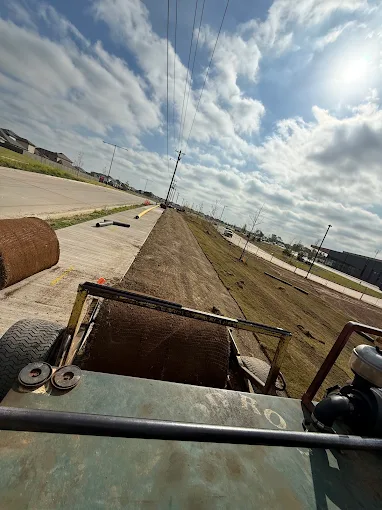
Sod Delivery Near Me: Minimize Heat Stress
North Texas summers don’t just test people—they test lawns. In Carrollton, it’s common to see brand-new sod turn brown in less than a week when temperatures hover near 100°F and the heat index climbs even higher. Studies from Texas A&M show that newly installed turf can lose up to 70% of its moisture in the first 24 hours if it’s not cooled and watered properly. That’s a fast track to burnout and wasted money.
For homeowners and property managers searching for “sod delivery near me,” the real question isn’t just who can bring sod to your driveway—it’s who can help you avoid heat stress and protect your investment. Timing, handling, and installation practices matter more in Carrollton’s climate than almost anywhere else.
This guide walks you through how to plan sod delivery, minimize heat stress from farm to front yard, and set your new lawn up for long-term success. You’ll learn how to choose the right grass for our area, how to time delivery and installation, how much sod really costs in DFW, and exactly what to do in the first critical week after installation.
Key Insight: In North Texas, the difference between a thriving new lawn and a fried one is usually measured in hours—how quickly your sod gets from the farm to the soil and how you protect it from heat the moment it arrives.
Why Heat Stress Destroys Fresh Sod in North Texas
Fresh-cut sod is like produce: it has a shelf life, especially in the heat. Once sod leaves the farm, it’s on a countdown. In Carrollton’s summer weather, pallet temperatures can easily climb 20–30°F above the air temperature, pushing internal temperatures over 120°F. At that point, roots start to cook.
The main culprits are:
- Time on the pallet – The longer sod sits stacked, the hotter and drier it gets.
- Direct sun on the pallet – Dark, moist soil absorbs and traps heat.
- Delayed installation and watering – Even a few hours can make a big difference.
A recent residential project off Hebron Parkway showed this clearly. The homeowner ordered “fresh sod near me” from a big-box retailer. The pallets sat in the driveway for 36 hours over a 98°F weekend. By the time they started laying the sod, the root layer was hot and slimy, and within a week, half the lawn had failed.
By contrast, a similar 5,000 sq. ft. job near Josey Ranch Lake Park used coordinated sod delivery services and same-day installation. Pallets were split, staged in the shade, and installed within four hours of arrival. With proper watering, the lawn was fully rooted in three weeks and stayed green through August.
“Heat damage is rarely about bad sod. It’s almost always about bad timing and handling.” — Turf Management Specialist, North Texas
CALLOUT: If your sod sits on a pallet in full sun for more than 24 hours in July or August, you’re gambling with your entire investment.
Choosing the Right Sod for Texas Heat (And Your Yard)
Not all grasses handle Carrollton’s heat and soil the same way. The best way to reduce heat stress is to start with the right turf for your site conditions—sun, shade, soil, and how much maintenance you’re willing to do.
Here’s how the most common options stack up for our area:
| Grass Type | Best For | Heat Tolerance | Shade Tolerance | Water Needs | Typical Use in Carrollton |
|---|---|---|---|---|---|
| Bermuda grass sod | Full sun, active yards | Excellent | Poor | Low-Medium | Front yards, sports, pets |
| TifTuf Bermuda sod | High-traffic, water-conscious | Excellent | Fair (light) | Very Low | Tough lawns, cost-conscious owners |
| St. Augustine sod | Partial shade, moderate traffic | Good | Good | Medium-High | Shady backyards, older neighborhoods |
| Zoysia sod (Zeon) | Mixed sun/shade, premium look | Good | Very Good | Medium | High-end lawns, golf-style finish |
| Fescue sod | Cooler temps, heavy shade | Fair | Very Good | High | Shady pockets, not full yards here |
A homeowner off Old Denton Road recently called asking for “bermuda sod near me” to replace a patchy front yard. After a quick yard review, we found the big oak in their front lawn kept half the area in shade most of the day. Bermuda would have struggled. Instead, we recommended a shade-tolerant St. Augustine in the front and Bermuda in the full-sun side yard. Six months later, both sections are filling in evenly with far less water than they’d been using on their old, thinning lawn.
If you’re unsure whether zoysia sod near me or TifTuf Bermuda is better for your site, a quick consultation can keep you from installing the wrong turf and fighting it for years.
Timing Sod Delivery to Beat the Heat
In Carrollton, how and when your sod arrives is just as critical as which grass you choose. The closer your schedule matches “cut in the morning, installed by afternoon,” the better your lawn will perform.
Here are key timing principles for minimizing heat stress:
- Aim for morning delivery. Cooler temperatures mean less stress on the pallet and more time to install before the hottest part of the day.
- Install the same day. Ideally, start laying sod within 1–4 hours of delivery, especially in June–September.
- Avoid stacking delays. If you’re doing a DIY install, have your crew and tools ready before the truck shows up.
One Carrollton client near PGBT had been searching “same day sod delivery” after a previous project failed due to late-day drop-offs. This time, we scheduled a 7:30 a.m. delivery, pre-marked sprinkler heads the night before, and had a three-person crew on site. All 4 pallets were installed and watered by 11:30 a.m., long before the sidewalk was hot enough to fry an egg.
Consider the difference in approach:
| Aspect | Traditional Approach | Heat-Smart Approach |
|---|---|---|
| Delivery Time | Afternoon (12–4 p.m.) | Morning (7–10 a.m.) |
| Start of Installation | “Whenever we can get to it” | Within 1–2 hours of arrival |
| Pallet Management | Left in driveway in full sun | Split pallets, move to shade where possible |
| End of Day Watering | Single quick watering after install | Deep watering immediately + evening cycle |
| Risk of Heat Stress | High, especially in summer | Significantly reduced |
“Hot pallets are where most new lawns are lost, not in the soil.” — Local Sod Farm Representative
If you’re hiring sod installation services, ask specifically how they handle delivery timing in summer. If the answer is vague, your lawn might be an afterthought in a long route—not ideal in 100°F heat.
From Pallet to Soil: Heat-Smart Sod Installation
Once your sod arrives, every step you take either protects it from heat or adds stress. A heat-smart lawn sod installation process focuses on speed, soil prep, and immediate watering.
A best-practice installation in Carrollton typically follows this pattern:
1. Prepped soil before delivery
- Old turf removed, debris cleared
- Light tilling or loosening of compacted soil
- Compost or soil amendment added to improve moisture retention
2. Staging and splitting pallets
- Move partial pallets to shaded areas if available
- Start installing from the sunniest, hottest parts of the yard first
3. Tight seams and staggered joints
- No gaps or overlaps
- Brick-like pattern to avoid long seams that dry out faster
4. Immediate watering by zones
- As each 500–1,000 sq. ft. section is laid, water it thoroughly right away
- Don’t wait until the entire yard is finished to start watering
A homeowner near Carrollton’s Indian Creek Golf Course had tried to buy sod near me and install it over a weekend without soil prep. The existing soil was rock-hard, and water pooled instead of soaking in. The sod turned crispy along the seams within days. We later came in, removed failing patches, loosened the soil, added compost, and relaid new sod with proper watering. The second attempt took less time—and the grass rooted in beautifully.
If you’d rather not manage all of this yourself, a professional team that handles both sod installation near me and delivery can coordinate everything around the weather and your irrigation schedule.
Watering and Fertilizing New Sod Without Overheating It
Water is your best tool against heat stress—but only if you use it correctly. Overwatering or watering at the wrong time can actually make heat damage worse by encouraging disease and shallow roots.
For most new sod lawns in Carrollton’s summer heat, a solid starting plan looks like this:
- Day 1–3 (root contact phase)
- Water immediately after installation
- Then water 3–4 times per day for short cycles (5–8 minutes per zone), focusing on keeping the sod and top 1–2 inches of soil consistently moist
- Day 4–10 (rooting phase)
- Shift to 2–3 deeper waterings per day (10–12 minutes per zone)
- Avoid standing water or squishy soil
- Day 11–21 (transition phase)
- Gradually move to once-daily deep watering in early morning
- Begin training roots to go deeper by extending run time and reducing frequency
A Carrollton family off Trinity Mills installed st augustine sod near me in their shady backyard. Concerned about the heat, they ran their sprinklers for 30 minutes every hour. The result? Mushy soil, fungal disease, and yellowing blades. We reset their controller, introduced a proper schedule, and applied a light starter fertilizer. Within two weeks, the turf color improved and new runners started spreading.
For fertilization:
- Use a starter fertilizer for new sod with balanced nutrients and a focus on phosphorus to encourage rooting.
- Apply lightly at or just after installation, following label rates.
- Avoid heavy nitrogen in the first 30 days, especially in peak heat—it can boost top growth before roots are ready.
“Water deeply, not constantly. Roots follow water—if it’s always at the surface, they’ll stay shallow and vulnerable.” — Texas Lawn Care Consultant
If you’re unsure how to set your controller or which products to use, a quick consultation can help tailor a watering and feeding plan to your specific yard and irrigation system.
Fixing Dead or Patchy Sod Before It Spreads
Even with the best planning, parts of a new lawn can struggle—especially in tricky areas like along sidewalks, near driveways, or tight corners that get reflected heat. The key is to catch problems early and correct them before the damage spreads.
Common early warning signs:
- Edges along concrete turning brown first
- Areas that stay soggy while others dry out
- Grayish, dull patches that don’t spring back when stepped on
A homeowner near Carrollton’s Rosemeade Recreation Center called us two weeks after installing their own sod from a “sod farm near me.” The middle of the lawn looked great, but the strips along the driveway were crispy. We discovered their sprinkler coverage missed that narrow zone entirely. We replaced the worst sections, adjusted the heads, and used targeted hand-watering along the edges for 7–10 days. The repaired areas blended in within a month.
If you’re looking for patchy lawn solutions or ways to fix dead grass with sod instead of seed, a focused repair plan typically includes:
- Cutting out dead or failing sod cleanly
- Loosening and amending the exposed soil
- Laying new sod pieces tightly and rolling them in
- Hand-watering repairs for the first 7–10 days
A targeted lawn repair with sod can often transform a struggling yard into a solid, healthy one without redoing the entire space.
What This Means for Businesses in Carrollton, TX
For Carrollton-area homeowners, property managers, and small businesses, turf isn’t just decoration—it’s part of curb appeal, tenant satisfaction, and property value. Faded or failing grass in front of a retail strip on Belt Line or an office off PGBT can turn first impressions negative before customers even walk in.
Local conditions make professional planning especially valuable here:
- High heat and UV: Our summers are long and intense, making heat stress a bigger threat than in many parts of the country.
- Mixed soils: You’ll find everything from heavy clay to compacted fill dirt, which affects drainage and root depth.
- Water restrictions: Carrollton and nearby cities regularly enforce watering schedules, so new sod plans must work within those rules.
By choosing a local sod supplier who understands these constraints, you can coordinate sod delivery services, installation, and aftercare that fit both your schedule and the city’s watering guidelines. For commercial properties, that might mean phasing installation, scheduling early-morning work, and using drought-tolerant options like TifTuf Bermuda or Zeon Zoysia.
For homeowners, the same principles protect your investment: selecting the best grass for Texas lawns, prepping soil correctly, and following a realistic watering plan tailored to Carrollton’s climate. Whether you’re installing a new lawn from scratch or looking to replace grass with sod in problem areas, a heat-aware strategy keeps your lawn looking good long after the pallets are gone.
Frequently Asked Questions
Q: How fast does sod need to be installed after delivery in Carrollton’s summer heat?
A: In our climate, you should plan to install sod within 4–8 hours of delivery during peak summer. The hotter the day, the shorter that window becomes. Pallets sitting in full sun can reach damaging temperatures in just a few hours. For larger projects, coordinate sod delivery near me in stages so you’re only receiving what you can realistically install that day. If same-day installation isn’t possible, move pallets to shade, lightly mist them (without soaking), and prioritize laying the hottest, sunniest parts of your yard first.
Q: What does a pallet of sod cost in the Carrollton area, and how many square feet does it cover?
A: A full pallet of sod in the DFW area typically covers about 450–500 square feet. The pallet of sod price varies depending on grass type, season, and whether you’re using sod delivery services or picking it up yourself. As a ballpark, you might expect anywhere from a few hundred dollars per pallet for common Bermuda to more for premium varieties like Zeon Zoysia. Installation, soil prep, and delivery are additional but often save money in the long run by reducing failure and rework. For an accurate “sod for sale near me” estimate, it’s best to get a project-specific quote.
Q: Which grass type handles Carrollton heat best: Bermuda, St. Augustine, or Zoysia?
A: Each has strengths. Bermuda grass sod (especially TifTuf) offers excellent heat and drought tolerance and is great for full-sun, high-traffic areas. St. Augustine sod near me is better for partial shade and provides a thicker, softer feel but needs more water. Zoysia sod near me, including Zeon Zoysia, gives a dense, premium look, tolerates shade better than Bermuda, and handles heat well, though it’s often a higher upfront investment. The “best grass for Texas lawns” depends on your sun/shade mix, soil, and maintenance preferences. A quick consultation can help match the right turf to your yard.
Q: Can I just water more to save sod that’s been sitting too long on the pallet?
A: Extra water can’t reverse heat damage once roots have been cooked inside a hot pallet. Overheating leads to root rot and bacterial issues that watering won’t fix. If your sod has been stacked in full sun for more than 24 hours in high heat, inspect it: if it smells sour, feels slimy, or the roots are dark and mushy, sections may be compromised. You can still install it, but be prepared to replace failing patches. The better strategy is to time your sod delivery services so installation happens the same day, and keep pallets shaded and cool from the start.
Q: How should I prepare my yard before installing new sod to reduce heat stress?
A: Proper prep makes your lawn more resilient from day one. Remove old grass and weeds, then loosen the top 3–4 inches of soil. Incorporate compost for lawn structure and moisture retention—this helps roots stay cooler and access water more effectively. Grade the area so water doesn’t pool in low spots. If you’re planning a full new lawn installation, consider a light pre-emergent lawn treatment weeks beforehand to reduce weed pressure. Having soil ready before your sod arrives means you can get it off the pallet and onto cooler, moist ground quickly, which greatly reduces heat stress.
Q: How do I know if my new sod is rooting properly in Carrollton’s heat?
A: After about 7–10 days, gently tug a few corners of sod pieces. If they resist lifting, roots are beginning to anchor. You should also see new, bright white roots growing into the soil when you lift a small edge. Color is another indicator: healthy new sod will maintain a consistent green (or slightly lighter green) tone. If large areas turn straw-colored or feel crunchy despite proper watering, heat or installation issues may be at play. Adjust watering, check for hot spots near concrete, and, if needed, get a lawn care after sod installation review from a local pro.
Q: Can I use sod to repair just the bad spots in my yard instead of redoing everything?
A: Yes. Lawn repair with sod is often the most efficient solution for thin or dead patches, especially around high-traffic areas, pet spots, or along driveways and sidewalks. You’ll cut out the damaged turf, loosen and amend the soil, then install new sod pieces tightly. This works well when at least 60–70% of your existing lawn is still healthy. For widespread decline or mixed, weedy patches across most of the yard, a full install new sod lawn may provide a better long-term result. A site visit can help you decide which approach makes the most financial and aesthetic sense.
Ready to Get Started?
North Texas heat won’t wait, and neither should your sod. Every week you delay planning, temperatures climb, water restrictions tighten, and your window for easy establishment shrinks. Whether you’re replacing a tired, patchy front yard or planning a full new lawn installation, coordinating heat-smart sod delivery near me, installation, and aftercare now will save you time, money, and frustration later.
Here’s a simple way to move forward:
- Schedule a quick consultation to choose the right grass for your yard and budget.
- Lock in a delivery and installation window that avoids the worst of the heat.
- Get a tailored watering and care plan for the first 30 days, when it matters most.
Your Local Grass Guy is based right here in Carrollton, so we live with the same weather, soil, and watering rules you do. That local experience means your sod isn’t just delivered—it’s planned, installed, and supported with our climate in mind.
About Your Local Grass Guy
Your Local Grass Guy is a Carrollton, TX–based turf specialist focused on high-quality sod, expert installation, and practical lawn care guidance for North Texas homeowners and businesses. With years of experience in DFW’s heat, soil, and water conditions, we help customers choose the right grass, coordinate reliable sod delivery services, and keep new lawns healthy long after installation. From small repairs to full property transformations, we’re committed to honest advice, professional work, and lawns that stand up to Texas weather.