
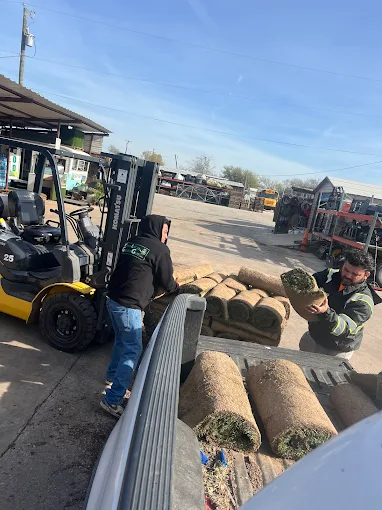
Revive Bare Spots with Lawn Sod Installation
North Texas lawns take a beating. Between blazing summer heat, soil that can swing from rock-hard clay to soggy overnight, and the wear and tear of kids, pets, and backyard barbecues, it’s no surprise that many Carrollton homeowners end up with thin, bare, or patchy lawns. Those dead spots don’t just look bad—they can invite weeds, erosion, and drainage issues that spread across your yard.
Studies show that a healthy lawn can reduce surface temperatures by up to 20–30°F compared to bare soil or concrete, and turfgrass can improve property value by as much as 10–15%. In a competitive housing market like Carrollton and the greater DFW area, curb appeal matters.
This guide walks you through how to revive bare spots with professional lawn sod installation—fast, clean, and done right for our local climate. You’ll learn which grasses perform best in Carrollton, how sod repairs compare to seeding, what to expect in terms of cost and timing, and the exact steps to get new sod to root and thrive, whether you’re fixing small patches or installing a brand-new lawn.
Key Insight: A well-planned sod installation transforms bare, problem areas into a thick, usable lawn in days—not months—as long as the right grass, prep, and aftercare are tailored to North Texas conditions.
Why Bare Spots Happen (And Why Sod Is Often the Smartest Fix)
Bare patches rarely “just happen.” In Carrollton, they usually trace back to a few predictable culprits:
- Heat and drought stress in full-sun areas
- Compacted clay soil from foot traffic, dogs, or mowers
- Shade from mature oaks or neighborhood trees
- Poor drainage or low spots that stay soggy
- Grubs, chinch bugs, or fungal diseases
- Wrong grass type for the site (sun vs. shade mismatch)
You can seed and wait months for coverage—or you can repair with sod and see an immediate “before and after.”
“Think of sod as an instant carpet for your yard. It’s already grown, thick, and established—you’re just helping it move into a new home.” — Your Local Grass Guy
Why Sod Beats Seed for Bare Spots
In our climate, sod has some clear advantages:
- Speed: Bare areas become green and usable in weeks instead of months.
- Reliability: Far less risk of washout from thunderstorms or birds eating seed.
- Weed suppression: Dense sod acts like a natural barrier against weed invasion.
- Erosion control: Sloped or washed-out sections stabilize quickly with sod.
We recently worked with a homeowner off Hebron Parkway whose backyard had turned into a patchwork of dirt and weeds after a pool install. Seed had failed twice due to storms. Once we prepped the soil and installed Bermuda sod, the yard looked finished the same day—and within three weeks, the kids were playing soccer on it.
Choosing the Right Sod for Carrollton’s Climate and Your Yard
Not all grass is created equal, especially in North Texas. Carrollton sits in a transition zone: we get intense summer heat, occasional winter freezes, and clay-heavy soils. That makes grass selection critical if you want repairs to last.
Top Sod Choices for Local Lawns
Here’s how the most popular options stack up for our area:
- Bermuda grass sod
- Loves full sun, high heat, and heavy use
- Recovers quickly from wear and damage
- Great for active families and dogs
- Modern varieties like TifTuf offer improved drought tolerance
- St. Augustine sod
- Handles partial shade better than Bermuda
- Wide blades for a lush, “coastal” look
- Good choice for yards with tree cover or fence shade
- Zoysia sod (including Zeon Zoysia)
- Dense, soft lawn with a premium look
- Excellent for high-visibility front yards
- Good drought tolerance once established
- Fescue sod
- Cooler-season grass, best for specific shaded microclimates
- Can be useful in tricky, heavily shaded areas where warm-season grasses struggle
Matching Grass to Your Yard Conditions
A small Carrollton cul-de-sac home we serviced near Josey Lane had three distinct zones:
- Full-sun front yard that burned out every summer
- A side yard shaded by the neighbor’s tree
- A backyard used daily by two large dogs
We recommended drought-tolerant Bermuda in the front, St. Augustine along the shaded side, and a tough Bermuda variety in the back. The result: fewer bare spots, less watering, and a lawn that matches how the family actually uses their space.
From Dirt to Dense Green: How Professional Sod Installation Works
Lawn sod installation is more than just unrolling grass. The foundation you build underneath determines whether your sod thrives or struggles. Here’s how a professional approach typically looks in Carrollton’s soil conditions.
Step 1: Site Assessment and Problem Solving
A good installer starts by asking:
- Why did the old grass die—heat, shade, traffic, pests, or poor drainage?
- Is the soil compacted, rocky, or heavily clay-based?
- Are there low spots that hold water after a rain?
This is where a consultation is invaluable. For example, a client near the Carrollton-Farmers Branch border had persistent bare patches along a fence line. The issue wasn’t the grass—it was a subtle slope causing water to pool and rot the roots. We corrected the grade and added compost before installing new sod, and those spots have stayed full for years.
Step 2: Removing Old Grass and Weeds
- Strip out dead grass, weeds, and thatch
- Use a sod cutter or remove by hand for smaller areas
- Haul off debris so new sod isn’t sitting on top of old problems
Step 3: Soil Preparation
This is where many DIY projects fall short:
- Loosen top 2–4 inches of soil to relieve compaction
- Add compost for lawn health and improved water retention
- Level and smooth the surface to avoid low spots
- Address drainage issues before the sod goes down
“Healthy sod on poor soil is like building a beautiful house on a cracked foundation—it might look good at first, but problems will show up fast.” — Your Local Grass Guy
Step 4: Laying and Rolling the Sod
- Stagger seams like brickwork to avoid long visible lines
- Fit edges tightly around sidewalks, beds, and sprinkler heads
- Use a roller to press sod into the soil for good root contact
Proper sod installation services ensure every piece has contact with the soil below. Any air gaps can cause edges to dry out and die back.
Costs, Timelines, and Local Options: What to Expect in Carrollton
Homeowners often ask two questions right away: “How much does sod cost?” and “How fast can it be done?” While exact numbers vary by yard size and grass type, there are some helpful ranges for the Carrollton area.
Typical Local Cost Factors
- Grass type (Bermuda, St. Augustine, Zoysia, etc.)
- Yard access (tight gates, slopes, obstacles)
- Amount of soil prep or grading needed
- Whether you handle pickup or want sod delivery services and installation
Here’s a simplified comparison for planning purposes (not a quote, but typical patterns we see):
| Option | Upfront Cost (Relative) | Time to Full Coverage | Labor Involved (You) | Best For |
|---|---|---|---|---|
| DIY Seed | Low | 2–6 months | High | Large areas on a tight budget |
| DIY Sod (Pickup) | Moderate | 2–4 weeks | Medium-High | Handy homeowners with small/medium areas |
| Sod + Delivery | Moderate-High | 2–4 weeks | Medium | Homeowners without a truck or trailer |
| Full-Service Sod Installation | Highest upfront | 2–4 weeks | Low | Busy families wanting guaranteed results |
For many Carrollton homeowners, especially in HOA neighborhoods where appearance matters, the “moderate-high upfront, low hassle” option of professional installation pays off in both time and long-term performance.
Sourcing Fresh, Local Sod
Freshness matters. Sod that has been sitting on a pallet in the sun too long can stress before it ever hits your soil. Working with a local sod supplier that understands DFW conditions and offers timely delivery or pickup is key.
- Need flexibility? Use pick-up if you have a truck and want to install same day.
- No truck or trailer? Schedule sod delivery near me timed with your prep work.
- Prefer a turnkey solution? Full sod installation near me services handle everything from soil prep to cleanup.
Watering, Fertilizing, and Protecting Your New Sod
Once your new sod is down, the “aftercare” window is where success is won or lost. Carrollton’s hot, often windy conditions can dry out new sod quickly if the watering schedule isn’t dialed in.
Watering New Sod: The First 2–3 Weeks
A typical schedule (adjusted for city watering rules and weather):
- Days 1–7:
- Water 2–3 times per day for short cycles (5–10 minutes per zone)
- Keep the sod and top inch of soil consistently moist, not flooded
- Days 8–14:
- Reduce to 1–2 times per day, slightly longer cycles
- Check for rooting by gently lifting a corner—resistance means roots are grabbing
- Days 15–21:
- Transition toward deeper, less frequent watering
- Aim for 3–4 inches of soil moisture, then allow slight drying between cycles
“New sod roots need oxygen as much as they need water. Constantly saturated soil can suffocate roots just as badly as drought.” — Your Local Grass Guy
Fertilizer and Weed Control
- Use a starter fertilizer for new sod that’s high in phosphorus to support root development.
- Avoid strong weed killers (especially pre-emergent) during the first few months; they can stress or damage young roots.
- After establishment, a pre emergent lawn treatment in early spring and fall helps keep weeds from taking over again.
A homeowner near the Indian Creek area installed a beautiful new St. Augustine lawn but treated it with a heavy-duty weed-and-feed two weeks later. The result: widespread yellowing and thin spots. We helped them correct the issue with light feeding, careful watering, and time—but it was an avoidable setback.
Long-Term Lawn Care After Sod Installation: Keeping Bare Spots from Coming Back
Reviving bare spots is step one. Step two is keeping them from returning. That’s where a long-term lawn care plan tailored to North Texas makes all the difference.
Mowing Practices
- Wait until sod is firmly rooted (usually 2–3 weeks) before the first mow.
- For most warm-season grasses, never remove more than 1/3 of the blade height at a time.
- Keep mower blades sharp to avoid tearing new growth.
Soil Health and Compost
Clay-heavy Carrollton soils benefit from regular organic matter:
- Topdress thin or struggling areas with light layers of compost for lawn health.
- Aerate compacted lawns every 1–2 years, especially in high-traffic zones.
- Compost improves drainage in wet spots and water retention in dry, sunny areas.
Proactive Weed and Pest Management
After your lawn is established:
- Use pre-emergent herbicides at the right seasonal windows to reduce weed pressure.
- Monitor for grubs and chinch bugs—two common culprits behind “mysterious” dead patches.
- Address shade issues by trimming trees or choosing more shade-tolerant grass in problem zones.
A family off Old Denton Road had recurring bare areas under a large live oak. We gradually transitioned that zone to a more shade-tolerant turf, adjusted watering, and reduced mowing height. The result was a healthier, denser lawn that finally stopped thinning every summer.
What This Means for Homeowners in Carrollton, TX
Carrollton’s mix of older, tree-lined neighborhoods and newer developments means no two lawns are exactly the same. Some battle dense shade and roots from mature oaks; others bake in full sun all day. Add in city watering restrictions, HOA standards, and our unpredictable North Texas storms, and lawn care can feel like a moving target.
Lawn sod installation gives local homeowners a powerful tool: instead of fighting bare spots year after year, you can reset problem areas with the right grass and a solid foundation. Whether you’re trying to:
- Boost curb appeal before listing your home
- Repair construction damage from a new patio or pool
- Fix dead grass from last summer’s heat wave
- Create a soft, safe play area for kids or pets
…sod offers a faster, more predictable path to a lush yard than seeding alone.
Working with a Carrollton-based team that understands our soil, weather, and neighborhood expectations means you’re not guessing. You’re choosing grass varieties proven to thrive here, using installation methods tuned to local conditions, and following an aftercare plan that fits our climate and watering rules.
In short: if you’re tired of looking at dirt, dust, and weeds where your lawn should be, a targeted sod repair or full new lawn installation may be the most efficient investment you can make in your outdoor space.
Frequently Asked Questions
Q: How do I know if I should replace grass with sod or try reseeding again?
A: Look at both the size of the bare area and the cause of the damage. Small, isolated spots caused by minor wear can sometimes be seeded successfully, especially in cooler months. But if you’re dealing with large patches, repeated failures, or issues tied to poor soil, compaction, or the wrong grass type, lawn sod installation is usually the better choice. In Carrollton’s hot summers, seed often struggles to establish before heat and weeds take over. Sod gives you immediate coverage, better erosion control, and a stronger starting point for long-term lawn health.
Q: What is the typical pallet of sod price in the Carrollton area?
A: Pricing can vary based on grass type, season, and availability, but a pallet usually covers about 450–500 square feet. Premium varieties like Zoysia or TifTuf Bermuda may cost more than standard Bermuda or St. Augustine. It’s important to factor in not just the pallet cost, but also delivery, soil prep, and any additional materials like compost or starter fertilizer. When you’re comparing sod for sale near me, ask whether the supplier can help you choose the right grass for your yard and whether they offer installation or referral options if you decide not to DIY.
Q: How quickly can you install new sod after I order?
A: Timing depends on grass availability and weather, but many projects can be scheduled within a few days to a week during peak season. Because sod is cut fresh, we coordinate closely so that delivery and installation happen the same day whenever possible. Some homeowners opt for same day sod delivery when they’ve already prepped the yard. During the hottest summer months in Carrollton, early morning installation windows are ideal to protect the sod from stress. Planning ahead—especially in spring and early fall—helps you secure optimal timing.
Q: What’s the best grass for Texas lawns if I have full sun and kids or pets?
A: For full-sun, high-traffic yards in North Texas, Bermuda is often the workhorse choice. It handles heat, recovers quickly from wear, and tolerates athletic play and pet traffic well. Modern varieties like TifTuf Bermuda offer enhanced drought tolerance and durability, making them excellent options for active families. If you’re searching for Bermuda sod near me, be sure to discuss how you use your yard—sports, dogs, entertaining—so you get a variety that matches your lifestyle, not just your zip code.
Q: How should I water new sod in Carrollton with local watering restrictions?
A: Most North Texas cities, including Carrollton, have specific watering days and times, especially in summer. Within those guidelines, the goal is to keep the sod and top inch of soil consistently moist for the first 10–14 days, then gradually shift to deeper, less frequent watering. Using shorter, multiple cycles on your allowed days can prevent runoff on clay soil while still giving roots what they need. Smart controllers and soaker hoses can help. If you’re unsure how to balance city rules with the needs of new lawn installation, we can help you design a schedule that works within the regulations.
Q: Can I install sod myself if I just need to fix a few dead spots?
A: Yes, many homeowners successfully tackle smaller repairs on their own. The key is to prepare the area properly: remove dead grass and weeds, loosen the soil, add a bit of compost, and level before laying sod. For DIYers, using a local sod supplier for pickup can be cost-effective, especially for partial pallets or individual pieces. Just be sure to install the sod the same day you pick it up, press seams together tightly, and follow a careful watering schedule. For larger or more complicated repairs, professional installation is usually more efficient and reliable.
Q: How do I keep weeds from taking over my new sod?
A: The first line of defense is healthy, dense grass. Proper watering, mowing, and fertilization help your sod fill in quickly and crowd out many weeds naturally. Avoid aggressive weed killers in the first couple of months. After the sod is established, a well-timed pre emergent lawn treatment in early spring and fall can dramatically reduce weed seeds from sprouting. Spot-treat existing weeds with products labeled safe for your grass type, and always follow label directions. A strong soil program—like periodic consultation and compost topdressing—also supports a thicker, more competitive lawn.
Ready to Get Started?
Bare spots rarely fix themselves. Each season you wait, weeds gain more ground, soil compacts further, and the problem areas spread. The good news is that with the right grass, solid preparation, and proper aftercare, you can turn those trouble spots into the thickest, healthiest parts of your yard in just a few weeks.
Now is an ideal time to plan your project. Spring and early fall in Carrollton offer excellent conditions for rooting, and scheduling ahead ensures you get your preferred dates for sod installation services or sod delivery services. Whether you want a turnkey solution or just need high-quality sod and guidance for a DIY project, we can help you choose the best grass, calculate how much you need, and outline a step-by-step care plan.
Take the first step toward a yard you’re proud to show off. A quick conversation today can save you months of frustration—and a lot of guesswork—this season.
About Your Local Grass Guy
Your Local Grass Guy is a Carrollton-based sod and lawn specialist focused on practical, long-lasting solutions for North Texas yards. From fresh sod near me to full-service installation and consultation, we tailor every recommendation to our local climate, soils, and neighborhoods. Our team has years of experience helping DFW homeowners repair, replace, and renew their lawns with the right grass and the right approach—no gimmicks, just solid turf science and honest advice.