
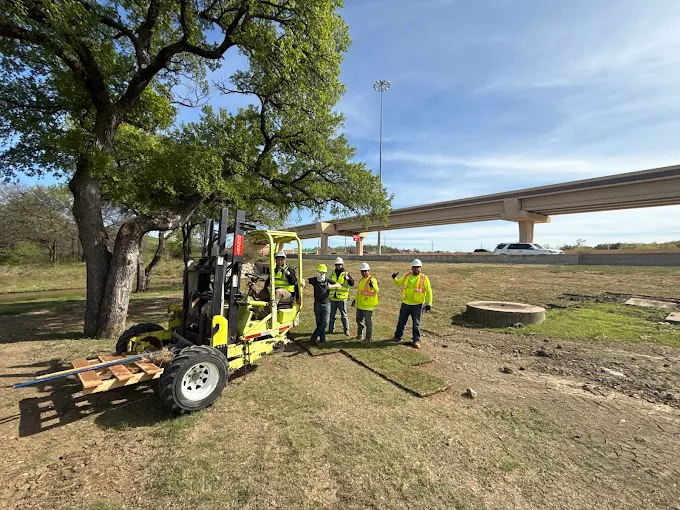
If you are planning a new lawn or replacing patchy areas with fresh sod in Carrollton, TX, the first 30 days make the difference between “it looks good today” and a yard that actually takes root. This guide walks you through what to check, how to water, and how to keep your lawn healthy after it is installed.
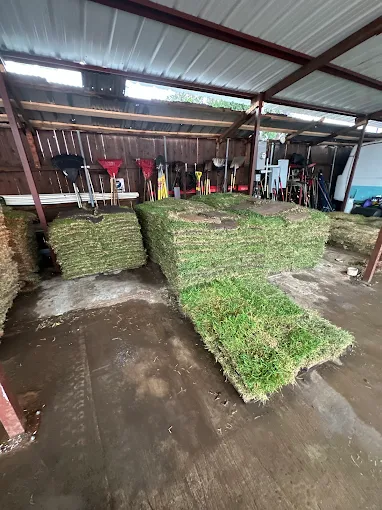
You scheduled sod delivery, the rolls are laid out, and the lawn looks level for the first day. Then you notice a few edges drying out, or the seams look slightly lifted the next morning. If you are in Carrollton, TX, you may also be dealing with quick weather swings that can stress fresh grass before it has a chance to root.
Instead of guessing, this guide helps you understand how to follow a maintenance schedule, what aftercare tips matter most, and how to spot problems early. You will also get a practical checklist you can use right after installation, plus a clear set of common mistakes to avoid.
- Quick answer
- What to check first
- Main things customers should understand
- Why this matters in Carrollton, TX
- Common mistakes to avoid
- Customer checklist
- Frequently asked questions
Quick Answer
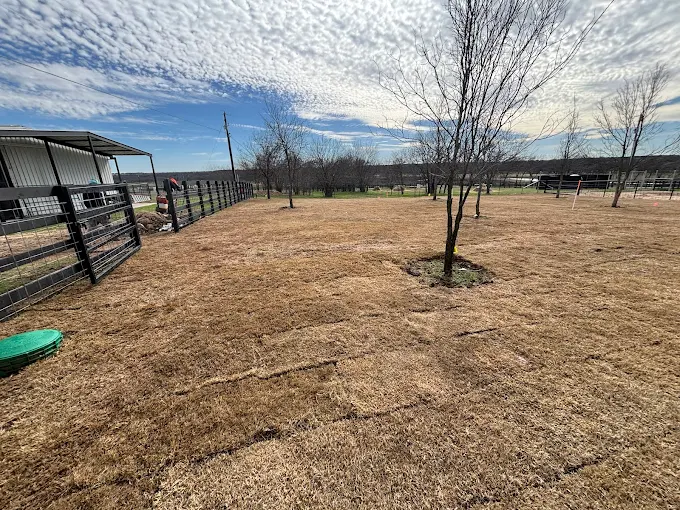
For fresh sod near you, the goal is simple: keep the soil under the turf consistently moist until the roots establish, then gradually reduce watering. Start by watering lightly but frequently right after install, and only adjust once the sod feels “rooted” and the seams stop shifting. If parts of the lawn dry out or the edges curl, increase moisture in those exact spots and check coverage from your sprinkler heads. A practical next step is to plan your watering schedule around sun exposure and airflow in your yard, then monitor daily for the first week.
What to Check First
Before you change your watering or add anything to the soil, do a quick inspection. Fresh sod is more forgiving when you catch issues early, and it is easier to correct small problems than to “fix dead grass” after it has spread.

Main Things Customers Should Understand
Your sod maintenance schedule depends on two things: how quickly the sod is “taking” and how your yard loses moisture. A common firsthand pattern is that homeowners overwater at first or water too long in one spot, which can lead to uneven establishment. The better approach is consistent moisture at the root zone, then gradual reduction.
Professional observation: Most patchy lawn solutions start with watering coverage. If one side of the yard gets less sprinkler overlap or more sun, that zone will establish slower and can look thin even if the rest of the lawn is doing fine.
Suggested watering timeline (practical, homeowner-friendly)
Use this as a baseline for lawn sod installation aftercare in Carrollton, TX. Adjust based on how fast the sod surface dries and how quickly the edges start to hold flat.
| Time after install | What you are aiming for | How to manage watering |
|---|---|---|
| Day 0 to Day 2 | Moist soil under the sod so roots can begin settling | Water in short cycles rather than one long session. Focus on even coverage across the entire new lawn. |
| Day 3 to Day 7 | Stable moisture with less “surface drying” between cycles | Adjust frequency if the top layer dries quickly. If seams lift, increase moisture in those areas first. |
| Week 2 | Roots are holding better and the lawn resists lifting | Gradually reduce frequency while still maintaining moisture in the root zone. |
| Weeks 3 to 4 | Establishment is underway and the lawn can handle normal irrigation | Move toward your regular lawn care after sod installation routine, but keep an eye on dry spots and shaded areas. |
Starter fertilizer and feeding timing
Many homeowners ask when to fertilize after installation. A common, practical approach is to use a starter fertilizer for new sod only after the sod has begun to root and is no longer easily lifted. If you are unsure, ask your sod supplier or installer what timing they recommend for the specific grass type you chose.
Weed control and pre-emergent timing
Pre emergent lawn treatment can be helpful later, but it is not something you want to apply immediately on new turf. Fresh sod needs time to establish before you begin routine weed-prevention steps. If weeds are already present, focus first on correct watering and soil surface conditions, then address weed control as the lawn matures.
Soil amendments: compost for lawn (when it makes sense)
Compost for lawn can support healthy soil structure, but it should not be dumped on top of fresh sod in a way that smothers turf or blocks light. If you plan to amend, do it when the sod has established and the lawn is stable enough to handle surface work.
Why This Matters in Carrollton, TX
In Carrollton, TX, homeowners often deal with hot afternoons, strong sun angles, and fast-drying microclimates around patios, driveways, and south-facing slopes. That is why “fresh sod near me” shopping is only half the story. The other half is aftercare: consistent moisture under the turf and careful attention to which parts of your yard dry first.
One firsthand-style pattern we see during lawn repair with sod is that patchy areas are rarely caused by the sod itself. More often, it is uneven watering, sprinkler heads that do not fully reach corners, or seams that dry out before the roots connect. If you are trying to replace grass with sod, plan to monitor day by day for the first week so you can correct coverage early.
Grass type can affect your routine
The best grass for texas lawns depends on your yard’s sun, how often you can water, and your desired look. If you are comparing options such as bermuda sod near me, st augustine sod near me, zoysia sod near me, or fescue sod, ask what establishment expectations come with that type. Different turf varieties can respond differently to heat, watering changes, and mowing timing after they take hold.
Common Mistakes to Avoid
After sod installation services, the most expensive errors are usually simple. They happen because homeowners try to “fix” what they see on the surface instead of managing the root zone and establishment pace.
Common mistakes: overwatering in one area, under-watering edges, and adjusting the schedule too fast based on how the top layer looks.
- Waiting too long to address dry edges: If seams lift, waiting can turn a small issue into patchy lawn solutions that require more work.
- Watering only the grass blades: The goal is moisture in the soil under the sod, not just a damp surface.
- Changing the schedule every day: Establishment is a process. Make adjustments based on consistent observations, not a single hot day.
- Applying lawn care steps too early: Starter fertilizer for new sod, compost for lawn, and pre emergent lawn treatment should follow establishment timing so you do not disrupt rooting.
- Skipping sprinkler coverage checks: Before you rely on your irrigation system, confirm that each zone reaches the new turf evenly.
Customer Checklist
Use this checklist as your daily and weekly guide during the establishment period. It is written for homeowners managing lawn maintenance after fresh sod is installed.
- Walk the perimeter and check seams and edges for lifting or curling.
- Verify your sprinklers provide even coverage across the entire new lawn.
- Keep the root zone consistently moist for the first week, then reduce gradually.
- Adjust watering by zone if one area dries faster due to sun or airflow.
- Avoid early weed-control steps until the sod has established.
- Plan feeding timing around starter fertilizer for new sod after rooting begins.
- Watch for early signs of stress and correct them before the problem spreads.
Representative scenario (what “good aftercare” looks like)
A homeowner in Carrollton, TX replaces a thin front lawn with fresh sod. The lawn looks great the first day, but by day four the south-facing edge starts to dry and seams rise slightly near the driveway. The homeowner notices that one sprinkler head does not reach that corner consistently. After adjusting the irrigation coverage and keeping the edges consistently moist for a few more days, the seams settle and the lawn becomes uniform as the roots establish. The key change was correcting coverage and not rushing into additional lawn care steps too early.
Need a clear plan for your sod installation and aftercare?
If you are searching for sod installation near me in Carrollton, TX, or you want help coordinating delivery and installation, Your Local Grass Guy can point you toward the right steps for a healthy start.
Talk with Your Local Grass GuyFrequently Asked Questions
These are the most common questions homeowners ask after they install fresh sod. Answers are focused on practical aftercare, not generic advice.
How do I tell if my new sod is rooting?
Rooting is usually indicated by whether the sod holds flat and does not lift easily at the seams. In the first week, edges may dry faster, so check those areas first. A simple approach is to observe how quickly the turf dries between water cycles and whether the seams remain closed. If the grass still looks like it is “floating” on top of the soil, continue consistent moisture and coverage rather than reducing watering too soon.
Can I patch a lawn by adding sod only where it is dead?
Yes, but the aftercare still matters for the new section. Patchy lawn solutions often fail when the new sod dries out faster than surrounding areas or when the seams are not kept consistently moist. Make sure the soil where the patch begins is prepared properly, and confirm that irrigation reaches the new turf evenly. For larger dead zones, replacing grass with sod can create a smoother transition, but you still want the same establishment approach: consistent moisture under the sod until it takes hold.
What is the best watering approach for fresh sod near me?
The best approach is consistent moisture at the root zone, not just wet blades. Use shorter cycles and check coverage so every part of the lawn receives water. If you notice one area drying faster, adjust by zone rather than watering the whole yard more than needed. During establishment, your goal is to keep the soil under the turf evenly moist, then gradually reduce watering frequency as the sod becomes more secure.
When should I use starter fertilizer for new sod?
Starter fertilizer for new sod is typically timed after the sod has begun establishing and is less likely to lift. If you fertilize too early, you can disrupt the establishment period or push the lawn before roots can support it. A practical step is to wait until the turf is holding well and the lawn looks stable, then follow the guidance provided for the specific sod type you installed.
Do I need pre emergent lawn treatment right after installation?
Usually, no. Pre emergent lawn treatment is most useful once your new lawn is established and stable. Fresh sod needs time to root before you add routine weed-prevention steps. If you already have weeds, focus on watering and establishment first, then address weed control as the lawn matures. This helps avoid stressing new turf during the most critical rooting period.
Ready to replace your lawn with sod the right way?
If you are planning lawn sod installation in Carrollton, TX, Your Local Grass Guy can help you coordinate the service and the aftercare plan so your new turf gets the best start.
Request Sod Installation Help
Your Local Grass Guy
Your Local Grass Guy provides sod grass sales, installation, and delivery services for homeowners and property managers in Carrollton, TX and surrounding areas. If you are comparing options, need fresh sod near you, or want a clear aftercare routine for a new lawn, we focus on practical guidance that supports healthy establishment from day one.
Sod delivery services | Sod for sale near me | Sod pick-up
Call: (945) 298-7483