Sod Near Me Options for Sun and Shade Lawns
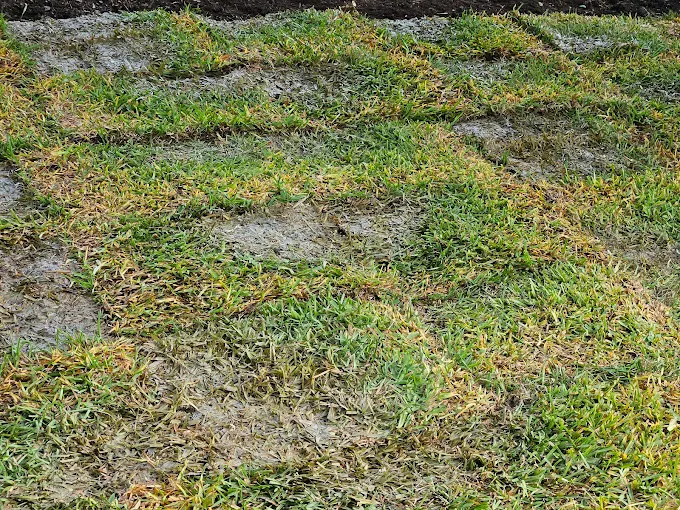
If your yard in Carrollton looks great in the sunny areas but turns thin, patchy, or spotty under trees, you’re not alone. A lot of homeowners call us after they’ve tried “fixing it later” with seed or spot treatments—only to watch the same weak patches return every summer heat wave.
One recent scenario we see often: a family installs sod in the open front yard, but the back fence line (heavy shade for half the day) never really fills in. The sod may stay green for a while, yet it struggles to root deeply where light is limited and soil dries differently. The result is seams, weak stand density, and an uneven lawn that feels frustratingly close to “done.”
The good news? Shade and sun lawns can both be successful with the right grass selection and installation approach—especially in North Texas where heat, clay soil, and sprinkler coverage can make or break establishment.
Quick Answer
- For sun, many homeowners in North Texas lean toward Bermuda (fast recovery, strong heat tolerance) or Zoysia (slower to start, dense once established).
- For shade, you’ll usually get the best results with the most shade-tolerant option for your yard’s conditions—often St. Augustine or a carefully managed Bermuda plan depending on how many hours of direct sun you actually get.
- The biggest “hidden variable” isn’t just the sod type—it’s whether the soil is prepped to the right depth and whether watering reaches the soil underneath the rolls during the first 2–3 weeks.
Best Grass for Sun and Shade Lawns
In practice, “sun vs shade” isn’t a yes/no question. We measure it by how many hours of direct light the turf receives and how consistently that light reaches the ground.
A simple shade reality check
- 6+ hours of sun: Most sun-tolerant grasses can perform well.
- 3–5 hours of sun: Turf may survive, but growth slows. You’ll need better soil and more careful watering.
- Less than ~3 hours of sun: You’re often fighting biology. The goal becomes “healthiest possible lawn,” not thick carpet everywhere.
Grass options homeowners commonly choose in North Texas
Here’s how the most common sod choices typically behave:
| Lawn area | Often best-fit sod | Why it works |
|---|---|---|
| Full sun / high traffic | Bermuda sod (including popular hybrid types) | Heat tolerance + strong recovery when managed correctly |
| Mixed sun with some shade | Zoysia sod | Dense growth once established; can handle partial shade better than many think, but still needs light |
| Warmer yards with heavier shade | St. Augustine sod | Generally more tolerant of shade than Bermuda/zoysia, especially with proper care |
| Cooler-season yards / transitional needs | Fescue sod | Often used where you want greener transition periods, but it won’t replace warm-season grasses for summer stress tolerance |
One firsthand observation we use for shade decisions
We often see homeowners choose the same grass for the whole property because it’s simpler. But in North Texas, sprinkler patterns and tree shade create different moisture and heat conditions. In shaded pockets, the soil stays cooler and sometimes stays damp longer—yet the turf still struggles because light limits photosynthesis. That’s why the “right grass for the right zone” beats a one-size-fits-all approach.
What Homeowners Often Overlook
Quick planning mistake: ordering before checking your light zones
Many homeowners order based on an online recommendation for “shade lawns” without confirming how much direct sun they actually get. Shade sod failures commonly aren’t a sod quality issue—they’re a mismatch between turf biology and your yard’s light.
The sprinkler coverage issue (it’s bigger than people think)
In Carrollton and across North Texas, lawns are frequently built on clay subsoils with irrigation systems that don’t overlap evenly. You may have enough water on paper, but if two heads don’t cover the same area reliably, sod roots can dry out unevenly. The result looks like “a shade problem” even when the grass choice is correct.
Soil compaction and depth
Even good sod can fail if the soil underneath is compacted or not loosened enough. Roots need contact with workable soil, not just a thin layer of softened material on top of hard clay.
Common Mistakes That Keep New Grass From Rooting
Mistake 1: Installing sod and then “watering lightly”
Light watering keeps the top layer wet and can cause shallow rooting. In Texas heat, evaporation is fast—so the top looks fine while the soil underneath stays dry.
Mistake 2: Letting sod sit too long after delivery
Fresh sod is alive. If it’s delivered and not installed quickly, it can overheat or dry on the edges. We’ve seen lawns where the seams fail first—because those outer sections were the most stressed before installation.
Mistake 3: Choosing a shade-tolerant grass without adjusting expectations
Even the best shade options won’t behave like full-sun turf. If your yard is truly deep shade, you may need to accept a thinner look or consider trimming tree canopies and improving light before replacing the lawn.
Mistake 4: Skipping starter nutrition and soil conditioning
Sod needs help establishing roots during the first weeks. Starter fertilizer and the right soil amendments (like compost when appropriate) support faster recovery and rooting—especially on North Texas clay.
Sod Preparation, Installation, and Aftercare Checklist
This is the checklist we recommend homeowners follow so the sod you buy actually takes.
Before delivery (or before we arrive for installation)
- Mark sun/shade zones so you can match grass type to light conditions.
- Remove debris (old sod, rocks, weeds, and construction scraps).
- Loosen soil to the recommended depth for rooting (not just a quick surface rake).
- Correct drainage issues if water stands after a rain.
- Plan irrigation coverage: confirm sprinkler heads overlap and reach edges.
After delivery/installation day
- Install sod promptly (don’t let pallets sit).
- Stagger seams like brickwork to reduce gaps.
- Roll it in so sod makes full contact with the soil.
- Water immediately after installation—enough to moisten the soil underneath, not just the surface.
For the first 2–3 weeks (root establishment window)
- Water deeply and consistently, adjusting for heat and shade.
- Check moisture at the seam lines—seams are where failures often start.
- Avoid heavy foot traffic until roots knit in.
- Use starter fertilizer as appropriate for your sod type and season.
- Watch for fungus risk if shaded areas stay wet too long.
If you want a professional plan, you can also start with a turf-focused consultation so we can match grass selection to your actual light and sprinkler layout. sod consultation for North Texas lawns
Sod Delivery, Pickup, and Installation: What to Choose
One of the most common questions we get is whether to pick up sod or use delivery. The right choice depends on your yard access, how quickly you can install, and how many pallets you’re ordering.
Delivery can reduce stress on fresh sod
Fresh sod is best installed quickly after it arrives. If you’re ordering multiple pallets or your driveway is tight, delivery helps keep the timeline realistic.
If you’re comparing options, this page is a good starting point: sod delivery services
Pickup works when you can install immediately
Pickup can be fine if:
- your access is easy,
- you can install the same day,
- and you can keep sod cool and protected during transport.
If you’re handling logistics yourself, you may want this: local grass pickup support
Installation is often the difference between “looks good” and “roots in”
Professional installation helps with:
- proper soil prep depth,
- seam tightness,
- rolling,
- and watering plans that reach below the surface.
For homeowners who want the full process handled, review professional sod installation services
Our Experience With Grass Installation in Texas Conditions
Here’s an anonymized project example that shows why sun/shade zoning matters:
A homeowner replaced patchy turf with sod across the front and side yard. The front received full sun, but the side yard had strong shade from afternoon trees. We noticed something during installation: the side yard’s irrigation coverage didn’t line up with the water needs of the shaded zone, and the soil underneath was more compacted near the beds.
The front rolls rooted well—fast growth and strong density. The side yard stayed green longer but didn’t thicken the way the front did. After a watering adjustment and a targeted aftercare plan (including starter nutrition timing), the side improved, but it never looked identical to full sun. The lesson: the grass type was workable, but the establishment conditions weren’t matched to the zone.
That’s why we treat sun and shade areas as different “projects,” even when they’re in the same yard.
Carrollton and North Texas: Why Sun/ Shade Lawns Behave Differently
North Texas lawns deal with:
- intense summer heat that drives fast evaporation,
- clay soil that can compact and slow root penetration,
- and sprinkler coverage gaps that show up as dead seams.
Shade adds another layer: cooler soil and reduced light can slow turf recovery. If your shaded areas are also near tree roots or beds, competition and uneven moisture become common.
So when you search for “sod near me,” what you really want is a local sod supplier who understands how North Texas yards behave—especially when the lawn must perform under mixed light.
If you’re comparing options for what to buy and where, this can help: where to buy sod near me
And if you’re planning a full refresh or curb appeal upgrade, you’ll want to make sure your plan includes the right logistics. A lot of homeowners start with delivery planning here: sod delivery near me options
Optional: How Much Does Sod Cost (and What Affects It)
Homeowners often ask about a pallet of sod price or how much does sod cost. The best answer depends on:
- grass type (Bermuda, St. Augustine, zoysia, fescue),
- pallet coverage and thickness,
- delivery distance and access,
- and whether you need installation or lawn repair with sod.
The biggest “cost surprise” usually comes from underestimating site prep. If the soil isn’t ready, you may need extra material to cover failures or rework areas later.
If your yard is patchy, consider planning for replacement vs. patching. This guide may be useful: sod for sale near me
Signs Your Lawn Needs Sod Replacement
Sod replacement isn’t only about appearance. It’s often the practical fix when:
- dead grass keeps returning in the same spots,
- patchy areas widen after heat waves,
- irrigation coverage issues keep causing “never fills in” zones,
- or you’re replacing an uneven lawn before a major event or sale.
If you’re dealing with persistent thinning or dead patches, lawn repair with sod can be the fastest way to rebuild a uniform look—especially when you match the grass to sun and shade correctly.
FAQ
What grass is best for a shaded yard in North Texas?
For many yards, St. Augustine sod is a common choice because it tolerates shade better than most warm-season options. That said, “shade” can mean different things—some yards get enough light for Bermuda or zoysia to still perform reasonably. The best approach is to confirm how many hours of direct sun the ground receives and adjust watering and soil prep accordingly.
How soon should sod be installed after delivery?
Fresh sod performs best when it’s installed quickly after delivery. The longer it sits, the higher the risk of drying, heat stress, and edge failures. If you’re planning the timing, try to align delivery with installation so the rolls go down the same day.
How often should I water new sod?
In the establishment period, you’ll typically water more frequently than you will later, but the key is depth and consistency. Water enough to moisten the soil underneath the sod, not just the surface. Shade areas often need different pacing than full sun zones, so check moisture levels at seams and edges.
Can sod fix a patchy lawn quickly?
Yes—sod can fix patchiness fast when the underlying issue is addressed. If your lawn is patchy due to light differences, compacted clay, or sprinkler gaps, sod can create a uniform finish quickly. But roots still need the right contact and aftercare to keep the repair from unraveling.
Should I use starter fertilizer with new sod?
Most new sod establishment plans benefit from starter fertilizer because it supports early root development. Timing matters, especially in Texas heat and when pre emergent programs are involved. A consultation can help you match the plan to your sod type and schedule.
Ready to Repair or Replace Your Lawn With Fresh Sod?
If you’re trying to solve mixed sun and shade problems, the “right sod near me” choice is the one that matches your yard’s light zones and irrigation reality—not just the grass name on a label. Your Local Grass Guy can help you plan grass selection, delivery timing, and (if you want) sod installation so your lawn roots in evenly.
About Your Local Grass Guy
Your Local Grass Guy provides sod sales, grass delivery, pickup options, consultations, and sod installation services throughout Carrollton, TX and surrounding North Texas communities. The company focuses on helping homeowners choose the right grass for local sun/shade conditions, prepare lawns properly for strong rooting, and establish healthier turf through practical delivery support and professional installation solutions.