
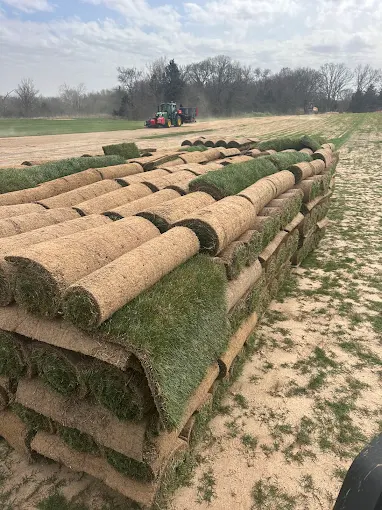
Expert Sod Installation Near Me for Seamless Results
If your Carrollton yard has been struggling with patchy spots, thin turf, or dead seams—especially after a hot stretch—you’re not alone. Many homeowners notice it first along the “lines” where sod pieces meet. The grass might look okay for a few days, then starts to loosen, dry out, or brown at the edges.
That pattern usually points to a simple cause: the sod wasn’t able to root cleanly into the soil underneath. In North Texas, that failure often comes down to rushed soil prep, installation delays, or watering that didn’t soak the native clay deeply enough.
At professional sod installation services, we see the same scenario play out over and over—so the goal here is to help you avoid it. If you’re trying to get a smooth, “one-piece” lawn look, you need more than fresh grass. You need a plan that matches how sod establishes roots in our local conditions.
Quick Answer
For seamless results, order the right sod for your yard, prep the soil thoroughly before it arrives, install quickly, roll it for full contact, and water so moisture reaches the soil underneath—not just the top of the sod.
If you’re searching for sod near me or sod installation near me, the best approach is to choose a local supplier and installer who can coordinate delivery timing and installation so the sod doesn’t dry out or overheat in transit.
Why “Seams” Happen (and How Pros Prevent Them)
Here’s a field observation we make frequently: when sod seams fail, it’s rarely because the grass variety is “bad.” It’s usually because the installer can’t get consistent soil contact across every edge.
North Texas clay is dense, and when it’s left too dry or compacted, sod roots struggle to penetrate. The edges then act like weak points—especially if the sprinkler throws water unevenly. You’ll often see the most damage at:
- seams between rolls or squares
- areas with poor sprinkler coverage
- low spots that get run-off instead of soaking
- spots where the soil wasn’t raked flat enough
What Seamless Installation Actually Includes
Professional installs typically focus on four things:
1. Base grade and firmness
The soil should be smooth and firm enough that you can walk without sinking—yet loose enough for roots to begin taking hold.
2. Clean edge contact
Rolls/squares should sit snugly with no gaps. If the subgrade is uneven, edges lift and dry faster.
3. Roll + press
Rolling helps eliminate air pockets and ensures the roots make immediate contact with the soil below.
4. Moisture consistency during establishment
The first 10–14 days are when sod is most vulnerable. Consistent, deep watering matters more than “watering more.”
What Homeowners Often Overlook
Most lawn failures after sod installation don’t come from the sod itself. They come from the steps surrounding it.
Common mistake homeowners make: “It looks green, so I’m done watering”
We hear it all the time: after installation, the yard looks good—so the homeowner cuts back on watering or switches to short, light cycles.
But sod can stay green while its roots are still struggling to penetrate the base. In Carrollton’s heat, that’s a recipe for seams to brown, especially where moisture coverage is inconsistent.
Another mistake: installing after the sod sits too long
Fresh sod should be installed quickly after delivery. If it sits in the sun, dries at the edges, or “cooks” in bundles, you’ll see uneven establishment. Even the best prep can’t fully fix sod that didn’t stay fresh.
A third one: skipping a proper soil evaluation
Many yards in North Texas have compaction issues from construction equipment, foot traffic, or drainage modifications. If the base is too hard, sod roots can’t form strong, continuous anchoring.
Sod Preparation, Installation, and Aftercare Checklist
If you want a smooth, seamless lawn look, here’s the checklist we use to keep installs on track.
Sod Preparation Checklist (Before Delivery)
- Clear and grade the area
Remove old debris, weeds, and rocks. Bring the surface to a consistent grade.
- Loosen where needed
If your yard is hard-packed, it may require targeted soil conditioning so roots can develop.
- Rake for a flat surface
Sod cannot “bridge” uneven dips and ridges without creating stress points at seams.
- Plan sprinkler coverage
Walk your irrigation system and confirm it hits the entire sod area. Patchy coverage is one of the biggest causes of dead seams.
Installation Day Checklist
- Install immediately after unloading
Keep sod fresh and shaded as much as possible until it’s laid.
- Stagger seams
Avoid continuous straight lines that can become weak spots.
- Cut around edges and obstacles cleanly
Tight-fitting cuts prevent corners from drying out.
- Roll the sod
Rolling helps eliminate air pockets and ensures full contact with the base.
- Lightly water right after installation
The first watering starts the establishment process.
Watering New Sod (Root-First Approach)
During establishment, your goal is moisture at the soil level—not just on top.
- First few days: keep the sod surface consistently moist.
- After that: gradually transition toward deeper watering that encourages root growth below the sod.
- Watch for “dry seam” behavior: if edges start curling or lightening faster than the middle, it’s usually a contact or water-coverage issue.
Our Experience With Grass Installation in Texas Conditions
North Texas lawns deal with a unique mix: hot summers, periodic drought stress, and soils that can range from compacted clay to sandy pockets. In Carrollton, we often see new construction lots and renovated yards where the base was graded but not truly “turf-ready.”
One firsthand thing we’ve noticed: when homeowners prepare the surface themselves, they sometimes level it visually but leave it too firm underneath. The top looks fine, but the sod roots can’t penetrate deeply enough, so the lawn doesn’t anchor well. That’s when seams loosen after a couple of warm weeks.
We typically see the best results when:
- soil prep is done before sod arrives
- installation happens promptly
- watering is adjusted based on how moisture penetrates the base
Sod Delivery vs Pickup: What Helps Seamless Results?
Timing affects establishment more than most people expect. If you’re juggling a pickup schedule, traffic, loading time, and installation hours, sod can sit longer than it should.
If you’re considering sod delivery near me or same day sod delivery, it’s worth planning around a simple rule: sod should arrive when your install crew (or plan) is ready.
For homeowners who want coordination and fewer variables, many choose sod delivery services so the grass shows up fresh and installation can begin right away.
If you prefer to pick up, we can still help you plan quantities and timing—especially when access is easier and you can unload immediately. For that option, see local grass pickup support.
Best Grass for North Texas Lawns
Choosing the right turf matters because each grass type handles heat, sun, and wear differently—and each has a different establishment pace.
Here’s how homeowners typically decide in our area:
| Grass Type | Best Fit | Notes for Texas Heat |
|---|---|---|
| Bermuda | Sun-heavy yards, high traffic | Fast recovery; often a popular choice for a durable lawn |
| Zoysia | Moderate to high sun, homeowners wanting thicker texture | Establishment can be slower than Bermuda, but it can be resilient |
| St. Augustine | Shady areas and homeowners aiming for softer feel | Performs well in humidity; still needs proper care and watering |
| Fescue | Transition/cool-season needs or mixed approaches | Typically used when temperature swings and seasonal plans matter |
Local recommendation (practical, not theoretical)
If your yard is mostly sun and you want a lawn that establishes strongly in warm weather, Bermuda is commonly a top candidate. If you’re leaning toward Bermuda, our team often helps homeowners compare options like bermuda grass sod and popular varieties such as TifTuf Bermuda in the right conditions. For yards that need a shade-friendly option, we also guide homeowners toward choices like St. Augustine where it fits the site.
Not sure what’s best for your yard? A quick turf consultation can save you from ordering the wrong type and dealing with patchy establishment.
A Realistic Case Example (What We Changed to Fix the Lawn)
A few months ago, a Carrollton homeowner called about a “mostly green” lawn that still had dead edges and thin seams. They had installed sod after pickup and watered what they thought was “often enough.”
When we reviewed the site, the issues were clear:
- the base was leveled on top but remained firm underneath
- sprinkler coverage missed one corner consistently
- sod was installed in stages, so some sections sat longer before being laid
We corrected the plan by:
- addressing uneven contact where the seams were failing
- improving sprinkler coverage in the missed corner
- adjusting the watering schedule to ensure deeper moisture during establishment
The result wasn’t just greener grass—it was a more uniform, stitched-in look where seams stopped acting like weak points.
What to Do Before Sod Delivery Arrives
If you’re coordinating your own install, preparation timing is everything. Here’s what we recommend before the first pallet lands.
- Confirm access and staging space
You’ll need a clear path to unload and lay sod without dragging it in the sun.
- Make sure the base is ready
If soil prep is still unfinished, sod can’t pause until you’re ready.
- Plan how you’ll move sod
Delays while moving rolls around can dry the edges.
- Know your grass type and quantity
If you’re unsure, ask a local supplier to help you calculate coverage and waste—especially around curves and landscaping.
If you’re trying to compare how to order and schedule, we can also help with sod consultation for North Texas lawns so you’re not guessing.
Signs Your Lawn Needs Sod Replacement
Sometimes sod isn’t the right answer—but often it is the fastest path to a usable yard. Look for these signs:
- large areas of dead or dying grass that keep spreading
- persistent patchiness that doesn’t improve with normal watering
- thinning that follows construction or soil compaction
- repeated weed outbreaks because the turf can’t fill in
If you’re replacing grass due to dead zones or uneven growth, sod can be a practical solution. Homeowners often call it “replace grass with sod,” and we’ll help them decide whether a full install or targeted patching is the right move.
For patchy areas and repair work, you can explore lawn repair with sod to understand how we approach fixes without creating new weak seams.
References and Turf Facts (Why Establishment Matters)
A few widely cited principles help explain what you’re seeing in your lawn:
- Soil moisture and root establishment drive turf survival during the first weeks after laying sod (extension turf guidance consistently emphasizes moisture management and root contact).
- Proper irrigation scheduling improves root growth and reduces stress in newly established turf. University extension resources commonly recommend adjusting watering based on penetration, not just surface wetting.
- Bermuda and zoysia generally respond well to warm-season establishment when heat is present, but they still require consistent early moisture to anchor and fill.
For broader background, extension guidance from the Texas A&M AgriLife Extension and turf resources like Penn State Extension are commonly used by professionals to reinforce establishment best practices (soil contact, watering penetration, and early aftercare).
Sod Cost Planning (What to Expect)
Homeowners often ask about how much does sod cost and whether a “pallet price” makes sense. The truth is: cost depends on the sod type, thickness/quality, delivery logistics, and how much preparation is needed.
If you’re comparing options like pallet of sod price, the best comparison is usually:
- price per coverage area (not just per pallet)
- delivery and installation coordination
- any soil prep/leveling needed to prevent seam failures
If you want a more tailored estimate, it helps to look at your yard layout, sprinkler coverage, and the grass type you’re aiming for.
Quick FAQ for North Texas Homeowners
How soon should sod be installed after delivery?
Sod should be installed as quickly as possible—ideally the same day it’s delivered. If bundles sit in the sun or are delayed for hours, edges can dry out and the lawn may establish unevenly. For best results, have your base prepared and your install plan ready so the sod goes down immediately.
How often should I water new sod?
During the first establishment window, you typically water more frequently to keep the sod surface and base consistently moist. After roots begin anchoring, you shift toward deeper watering to encourage root growth below the sod. The key is soaking the soil underneath—not only wetting the top layer.
Can sod fix a patchy lawn quickly?
Yes, sod can fill in patchy areas faster than seeding, especially when patchiness is caused by thinning or dead turf. The important part is matching the grass type to your yard conditions and ensuring the base is prepped so new sod roots can connect and anchor.
What grass is best for Carrollton lawns?
For many sun-heavy yards, Bermuda is a common choice for durability and recovery. If you have more shade, St. Augustine may fit better. Zoysia is another option that can provide a thicker texture, depending on your yard conditions. A consultation helps match the turf to sun, traffic, and maintenance expectations.
Should I use starter fertilizer with new sod?
In many cases, starter fertilizer can support early rooting, but the timing and product matter. We often recommend planning fertilizer as part of a broader “lawn care after sod installation” approach—especially if you’re also adding compost or adjusting the soil base.
Ready to Repair or Replace Your Lawn With Fresh Sod?
If you want a lawn that looks like one continuous piece—not a patchwork of seams—start with the right grass type, plan delivery timing, and prioritize soil contact and establishment watering.
About Your Local Grass Guy
Your Local Grass Guy provides sod sales, grass delivery, pickup options, consultations, and sod installation services throughout Carrollton, TX and surrounding North Texas communities. We focus on helping homeowners choose the right grass for local conditions, prepare lawns properly for root establishment, and establish healthier turf through practical sod guidance, delivery support, and professional installation solutions.