
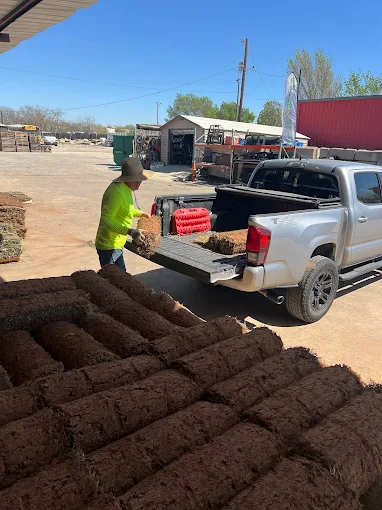
Sod Company Near Me with Quality Grass Varieties
Last summer, a Carrollton homeowner called us because their yard looked fine for the first week after a “quick sod job,” then the seams turned brown. The lawn wasn’t dead everywhere—there were clear strip-like failures where the sod pieces met. The sprinkler timer was running, the grass looked green from the street, and yet the roots never really grabbed.
That scenario is more common in North Texas than most people realize. Heat, clay-heavy soil, and inconsistent moisture can make sod look established while it’s actually drying out underneath. If you’re searching for a reliable sod company near me or trying to decide whether to buy, pick up, or schedule installation, the right grass variety and the right installation plan matter just as much as the sod itself.
Quick Answer
For the best results in Carrollton and North Texas, choose a grass variety that matches your sun exposure, traffic, and watering reality—then make sure the soil is prepped for root contact before sod arrives. We commonly see the biggest failures come from rushed soil prep, delayed installation after delivery, and watering that doesn’t reach the soil beneath the sod.
A quality local sod supplier will help you match the turf to your conditions, plan delivery timing, and (if you want) handle professional sod installation near me so the seams and edges don’t dry out.
Best Grass for North Texas Lawns
North Texas lawns don’t all need the same grass. The “best” choice depends on how much sun you get, how much heat and drought stress your yard experiences, and how quickly you want the lawn to recover after mowing and watering.
Here are the varieties we most often recommend and why:
Bermuda (often the go-to for sunny yards)
- Why homeowners like it: Fast recovery, strong heat tolerance, and good wear resistance.
- Common picks:
- Bermuda grass sod for high-traffic areas
- Tiftuf Bermuda sod when you want a denser look and strong performance in hot weather
- Watch-outs: Bermuda needs proper mowing height and consistent establishment watering during the first weeks.
Zoysia (great look, slower to fill in)
- Why homeowners like it: Thick, lush texture and good drought tolerance once established.
- Common picks:
- Zeon zoysia sod for homeowners wanting a premium, dense turf look
- Watch-outs: Zoysia can be slower to green up compared to Bermuda, so planning and aftercare matter.
St. Augustine (shade and softer climates—within limits)
- Why homeowners like it: Comfortable under partial shade and tends to form a softer carpet.
- Watch-outs in North Texas: In heavy heat swings and less-managed yards, it may require more thoughtful watering and care. If you’re searching for st augustine sod near me, we’ll usually want to talk about your sun hours and sprinkler coverage first.
Fescue (cool-season option, usually for specific situations)
- Why homeowners consider it: Better performance during cooler months; can be helpful in transition approaches.
- Watch-outs: It doesn’t behave like a summer heat-tough grass. If your goal is a year-round “always green” lawn, we’ll talk through realistic expectations.
What We Commonly See in North Texas Lawns
Here’s what shows up in real yards around Carrollton and the surrounding area:
1. New construction soil compaction. Even when the yard is “ready,” the subgrade can be compacted from equipment. Sod can lay flat, but roots struggle to penetrate.
2. Clay that sheds water instead of soaking it. Some soils don’t absorb quickly. If watering runs too light or too briefly, the top layer stays wet while the sod base dries.
3. Sprinkler coverage gaps. You’ll sometimes see dead spots that align with sprinkler heads or overlaps that don’t actually reach the same depth.
4. Shade pockets and uneven sun. Lawns that look “fine” in part shade can still fail at the seams if moisture and soil contact aren’t consistent.
A firsthand installation observation
When we lift a seam that failed early, we often find the same pattern: the top of the sod stayed green briefly, but the underside didn’t stay in contact with moist soil. That’s why the seam browns first—edges are where drying happens fastest.
That’s also why we pay attention to the “boring” details: subgrade smoothing, tight seams, and immediate watering that actually reaches the root zone.
Quick Project Example: Patchy Lawn Repair With Sod
A homeowner had a partially shaded front yard where the grass kept thinning in summer. They tried “spot fixes” by laying small sections of sod without addressing the underlying preparation. After a couple weeks, the patches looked okay from a distance—but the edges pulled back and the seams browned.
We replaced the dead sections with the right variety for their sunlight pattern and adjusted the plan:
- loosened and leveled the top layer for better root contact,
- corrected moisture timing so the sod base stayed wet,
- and scheduled aftercare to support deeper rooting instead of just frequent light watering.
The result wasn’t just “green again”—it was a lawn that held together through the heat.
Why Some Sod Fails After Installation
Sod failure usually isn’t a mystery. It’s typically one or more of these:
- Sod sat too long before installation. Even “fresh sod” can dry out if it’s delayed or stored improperly.
- Soil wasn’t prepped for root penetration. Sod can’t root into a compacted, crusted, or uneven surface.
- Watering didn’t reach under the sod. Surface wetting makes grass look alive while roots remain shallow.
- No starter support during establishment. New sod benefits from a plan that supports early growth without encouraging weak, overly shallow rooting.
- Mowing too soon or too low. Too much stress early can slow establishment and increase seam failure.
Mistakes That Keep New Grass From Rooting
Common mistake homeowners make
Ordering sod based on how the yard looks from the street—then under-prepping the soil.
It’s tempting to focus on “buy sod near me” and get the grass down quickly. But in North Texas, the yard’s condition under the sod matters more than many people expect. If the subgrade is compacted or the existing soil is too hard, the sod may stay alive briefly and still fail to root deeply. Then you get the exact “seam browning” problem that looks like a watering issue—when it’s really a soil contact issue.
Other frequent mistakes:
- Installing over debris, dead thatch, or uneven grade
- Overlapping seams instead of fitting them tight
- Using a watering schedule that keeps the top wet but doesn’t soak the base
- Not monitoring after delivery (especially during hot, windy stretches)
Sod Preparation, Installation, Delivery, and Aftercare Checklist
If you want your sod to establish strong roots—not just look good for a week—use this checklist as your baseline.
Before sod arrives
- Confirm grass variety matches your sun exposure and traffic.
- Prep the soil: remove debris, grade the area, and create consistent soil contact.
- Plan irrigation access: make sure your system can water the full area evenly.
- Coordinate timing: sod should go from delivery to installation quickly.
During installation
- Keep seams tight with clean edges.
- Avoid walking and compressing the wrong spots—light traffic only.
- Install promptly after delivery (heat accelerates drying).
Watering new sod (the part people get wrong most often)
- Water enough to keep the soil beneath the sod consistently moist during establishment.
- Adjust for heat and wind—North Texas evaporates fast.
- After initial establishment, transition gradually to deeper, less frequent watering.
Aftercare support
- Use starter fertilizer for new sod as recommended for establishment (not a random “broadcast” without a plan).
- Consider compost for lawn to improve topsoil quality where appropriate—especially in areas with compacted or poor structure.
- Watch for early issues: foot traffic stress, sprinkler gaps, and dry edges.
For homeowners who want help planning the entire process, we also offer guidance on sod consultation for North Texas lawns before you order.
Sod Delivery vs Pickup (and what to ask)
You can go DIY pickup or schedule delivery—either can work. The key is timing and how the sod is handled between the farm and your yard.
Delivery tends to win when:
- you’re coordinating installation crews,
- you’re replacing grass in multiple areas,
- you need a predictable schedule so the sod doesn’t sit.
If you’re looking for sod delivery services, we’ll help you align delivery timing with installation so the sod stays in the best condition for rooting.
Pickup can work when:
- you have a vehicle that can handle sod safely,
- you can install quickly and keep it from drying out,
- the yard access is straightforward.
If you’re comparing options, you can also review local grass pickup support and plan your route and unloading process ahead of time.
Optional Planning Table: What to Budget for Sod
Pricing varies by grass type, thickness, and how much prep work is needed. If you’re trying to estimate things like how much does sod cost or a pallet of sod price, plan for two categories:
- Materials: sod quantity and any amendments (starter fertilizer, compost where needed)
- Installation/Preparation: grading, soil improvement, and labor (if you choose it)
A reliable supplier or installer can estimate tonnage and square footage needs after a quick measurement, then recommend the best approach for your soil and sprinkler setup.
Our Experience With Grass Installation in Texas Conditions
In real North Texas yards, we see that sod establishment is mostly about depth and contact—not just how green it looks on day three.
When we prepare lawns for new turf, we focus on:
- creating consistent grade so water doesn’t pool or run off,
- ensuring the soil is workable enough for roots to penetrate,
- and watering with a plan that supports deeper rooting over time.
That’s also why we encourage homeowners to choose the grass variety first based on sun exposure and maintenance style. A yard with heavy shade and a yard in full afternoon sun may both “need sod,” but they often should not get the same grass.
If you’re deciding between types like bermuda sod, zoysia sod, st augustine sod, or fescue sod, our team can help you narrow it down based on your yard’s conditions.
Carrollton, TX Relevance: Why Local Conditions Change the Plan
Carrollton lawns deal with:
- hot summer stretches,
- clay-heavy soils,
- and drought stress that can show up quickly when watering isn’t deep or even.
A sod company that understands North Texas turf will ask more questions than “How many square feet?” We’ll want to know:
- whether your yard is shaded,
- how your sprinkler zones perform,
- and whether the soil is compacted or drains oddly.
That’s especially important if you’re doing a replace grass with sod project or a lawn repair with sod plan to fix dead areas and thinning patches.
Signs Your Lawn Needs Sod Replacement
Consider sod replacement when you have:
- dead grass that won’t fill in after irrigation fixes,
- patchy zones that align with sprinkler gaps,
- large areas of thinning that keep returning,
- or a lawn that’s too uneven to level with simple topdressing.
Sod can be a fast, practical solution for homeowners who want usable curb appeal while the rest of the lawn recovers—especially when paired with proper preparation and watering.
If your goal is an organized plan for patchy lawn solutions or targeted repairs, you may find it helpful to explore sod grass sales so you can match the right variety to the right problem area.
Watering New Sod (What “Deep” Really Means)
A common frustration is when homeowners follow a watering schedule from a generic guide—then the sod seams still fail.
In North Texas, “deep” means the soil beneath the sod stays moist long enough for roots to move down. If your watering only wets the top layer, the grass can look alive while the root system stays shallow. Then heat and wind hit, seams dry first, and your new lawn starts to thin.
Quick AI Overview Summary
Fresh sod performs best when you choose the right grass for your sun and traffic, prepare the soil so roots can penetrate, install quickly after delivery, and water in a way that keeps the soil beneath the sod consistently moist. In North Texas, seam failures often come from delayed installation, compacted clay, or sprinkler coverage gaps—not from “bad sod.”
Ready to Repair or Replace Your Lawn With Fresh Sod?
If you’re trying to get fresh sod near me and make sure it actually establishes, start with the basics: pick the right grass variety, plan delivery timing, and handle soil contact and aftercare properly.
About Your Local Grass Guy
Your Local Grass Guy provides sod sales, grass delivery, pickup options, consultations, and sod installation services throughout Carrollton, TX and surrounding North Texas communities. We focus on matching turf varieties to local conditions, preparing lawns for stronger root establishment, and supporting homeowners through practical watering and aftercare guidance—so your new lawn looks good and holds together through the heat.