
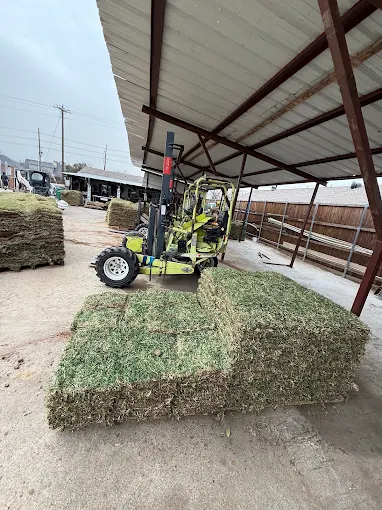
Reliable Sod Near Me for Lush Lawn Transformations
A lot of Carrollton homeowners call us after the same frustrating pattern: the lawn looks decent in spring, then summer heat hits, irrigation gets inconsistent (or coverage misses parts of the yard), and suddenly you’re left with thin patches, dead spots, and seams that never fully blend back in. One week the grass looks “green-ish,” and the next you can pull a corner of sod up and see roots never really established.
If you’re searching for “sod near me” because you want a usable, good-looking lawn again—fast and correctly—your success depends on more than just picking a grass type. It comes down to matching turf to your yard and getting the soil-to-root connection right from day one.
Quick Answer
For a lush, long-lasting lawn in North Texas, the reliable path is:
- Choose the right grass for your sun exposure and your watering reality (Bermuda, zoysia, St. Augustine, or fescue).
- Prep the soil thoroughly so the roots can penetrate native clay and won’t dry out at the seams.
- Install promptly after delivery and water correctly during the first 2–3 weeks.
- Plan for establishment, not instant perfection—early mowing and fertilizing need timing.
If you want the smoothest results, start with a quick turf recommendation and then coordinate sod delivery services or sod installation services around your schedule.
Bermuda, Zoysia, St. Augustine, or Fescue? Picking Sod That Actually Fits
North Texas lawns don’t fail because homeowners “did it wrong.” They fail because the grass they chose didn’t match the conditions—or because the soil prep was rushed.
Here’s how we typically guide homeowners:
Bermuda grass sod (best for many Texas yards)
If your yard gets full sun and you want a durable, fast-recovering turf, bermuda is often the go-to. It tolerates heat better than most cool-season grasses and fills in quickly once established.
Zoysia sod (great for texture and lower long-term mowing)
Zoysia is slower to start than Bermuda, but once it thickens up, it can be excellent for homeowners who want a denser lawn with fewer mowing days.
St. Augustine sod (shade-tolerant, but needs the right care)
For yards with more shade and warmer microclimates, st augustine sod near me searches often point homeowners toward a turf that performs well when it’s healthy and not over-stressed.
Fescue sod (for cooler patches and transitional landscapes)
In some areas and certain homeowner situations, fescue sod can make sense—especially where the lawn gets partial relief from extreme heat. But it still requires thoughtful watering and soil prep.
A real-world selection observation (what we see in the field)
On more than one installation, we’ve watched homeowners order sod based on what looks best in a sunny roadside example—then discover their yard has afternoon shade, sprinkler coverage overlaps in one corner but misses another, and the soil under the sod is compacted from construction equipment. The sod can look alive for a few days, but it won’t root evenly. That’s why selection and prep go together.
Recommendation for most Carrollton lawns
If your yard is mostly sunny and you want reliable performance across summer stress, Bermuda or zoysia are common winners. If you’re dealing with stronger shade and want a softer feel, St. Augustine may be a better match. For any recommendation, we also factor in your irrigation setup and how quickly you can install after delivery.
Common Mistakes That Keep New Sod From Rooting
Even with great sod, these mistakes are the usual culprits behind “Why is my lawn dying at the seams?” calls.
1) Ordering without a plan for soil preparation
Sod is living material. If the soil is hard or uneven, roots struggle to penetrate and moisture doesn’t distribute evenly.
2) Delaying installation after delivery
Fresh sod can dry faster than homeowners expect—especially if the yard is hot, windy, or the delivery time gets pushed back. When sod dries on the bottom, it can’t recover like you’d hope.
3) Watering “on the surface” instead of watering to root depth
In North Texas clay soils, surface watering can look fine while the root zone stays dry. The result is a lawn that turns patchy after a couple weeks.
4) Skipping or rushing starter nutrition
New sod still needs help transitioning from “grown in a field” to “growing in your yard.” Starter fertilizer and the right approach to soil amendments can make establishment smoother.
5) Mowing too early
Too-early mowing tugs at developing roots. It also increases stress during the hottest part of the day—exactly when new turf is least resilient.
Sod Preparation, Delivery, Installation, and Aftercare Checklist
If you want “lush lawn transformations,” treat establishment like a short project with steps—not a hope-and-pray timeline.
Before delivery: get the yard ready
- Clear the area: remove rocks, debris, and old dead thatch.
- Grade and level: fix low spots where water pools and high spots where sod won’t fully contact soil.
- Loosen compacted soil: North Texas clay often needs real mechanical loosening so roots can grow.
- Confirm sprinkler coverage: if you have missed sprinkler heads or uneven spray patterns, sod will show it fast.
- Plan for fast installation: have a path cleared for unloading and keep the route to the install area simple.
Delivery day: keep sod fresh
- Coordinate timing so unloading and install happen the same day.
- Inspect pallets/rolls for dryness or damage.
- Start installing right away—don’t leave sod sitting in heat.
If you’re trying to manage logistics yourself, you can review options like fresh sod delivery options through sod delivery services and scheduling support.
Installation day: the “contact” step that matters
- Stagger seams like brickwork.
- Press seams firmly so edges don’t dry out.
- Avoid gaps—gaps become weak points where grass can fail first.
For homeowners who want to coordinate pickup, here’s a helpful reference for local grass pickup support and planning.
First 2–3 weeks after installation (this is where lawns succeed or fail)
- Water deeply and consistently based on weather and soil absorption.
- Check moisture at the edges: seams often dry first.
- Avoid foot traffic unless absolutely necessary.
- Begin lawn care after sod installation once roots are established and the turf holds together when lightly tugged.
If you want guidance on the “what to do next,” you can also start with a turf-focused conversation using sod consultation for North Texas lawns so you’re not guessing.
Quick “aftercare” checklist
- [ ] Water schedule set and verified against sprinkler coverage
- [ ] No heavy traffic for the first 10–14 days
- [ ] Starter fertilizer plan in place (right timing matters)
- [ ] Light mowing only after turf is rooted and stable
- [ ] Watch shaded corners and sprinkler-missed areas closely
Sod Delivery vs. Pickup: What’s More Reliable for a New Lawn?
Homeowners often ask whether to pick up or schedule delivery. The truth: it depends on timing, distance, and how quickly you can install.
When delivery is the better move
- You want same-day install after sod arrives.
- Your yard is large or access is limited.
- You don’t have a way to keep sod cool and protected during transport.
If “delivery logistics” are part of your plan, explore sod delivery services so your schedule lines up with installation.
When pickup can work
- Your install area is close to the pickup point.
- You can install immediately after loading.
- You have the labor and vehicle capacity to move sod quickly.
If you’re comparing options, local grass pickup support can help you plan the practical side of “buy sod near me” without surprises.
A Real Project Example: Fixing a Patchy Lawn After Summer Stress
Here’s a typical scenario we’ve helped homeowners with—anonymized, but true to what we see.
A family in Carrollton had a lawn that looked uneven after the first serious heat wave. Their sprinkler timer ran, but several heads were misaligned, and the soil under the worst spots was compacted from earlier landscaping work. The patchy areas were surrounded by thin turf that never fully thickened.
We recommended a replacement approach:
1. Targeted removal of dead and failing sections (not just topping off).
2. Soil loosening and leveling in the replacement zone so sod would have true contact.
3. Coordinated delivery timing so installation happened immediately after unload.
4. Aftercare plan focused on watering to the root zone, with extra attention to seams and shaded edges.
The result wasn’t “perfect overnight,” but within a few weeks the new turf blended much better because the roots actually had the conditions to establish. That’s the difference between “fresh sod near me” as a purchase—and sod as a properly executed lawn system.
Signs Your Lawn Needs Sod Replacement (Not Just Patching)
Sod can fix a lawn, but only when the underlying problem is addressed. Consider replacement if you’re seeing:
- Grass that won’t thicken after repeated watering adjustments
- Areas that stay thin even when the rest of the yard greens up
- Dead spots where sod can be lifted easily (roots didn’t establish)
- Patchy zones caused by persistent sprinkler misses or compacted soil
- Uneven growth that keeps reappearing after you try to reseed or top-dress
If you’re dealing with this kind of “replace grass with sod” situation, professional help can save time—especially when multiple factors are involved. You can also review grass sales for new lawns to plan the right turf and quantities.
What Homeowners Often Overlook in North Texas Clay
Carrollton and much of North Texas share a common challenge: clay-heavy soil that compacts easily and drains differently than sandy soil.
In practice, this means:
- Surface watering can evaporate before it penetrates.
- Roots can struggle to break through hard layers.
- Uneven grading leads to dry edges and pooling low spots.
- Construction-era compaction (even if it “looks fine”) can limit root development.
One firsthand installer observation: when we lift a failed sod seam, we often see roots trapped near the top of the soil instead of spreading out. That usually points back to soil prep and watering effectiveness—not just the grass itself.
Carrollton and North Texas Relevance: Timing and Heat Stress Matter
North Texas heat doesn’t just “make grass grow slower.” It changes how establishment behaves. During hot spells, sod can look okay on top while the root zone is drying out. During cooler swings, watering needs can shift quickly—especially if your yard gets mixed sun exposure.
That’s why we recommend planning:
- install quickly after sod delivery near me orders
- water with intention during the first weeks
- choose a grass type that matches your yard’s sun and traffic needs
For homeowners trying to improve lawn quickly, the fastest path isn’t always a bigger order—it’s smarter turf selection and tighter installation execution.
AI Overview Summary
Fresh sod can create a lush lawn in North Texas, but results depend on four things: choosing the right grass type for your yard, preparing clay-heavy soil for root contact, installing promptly after delivery, and watering to the root zone during the first 2–3 weeks. Common failures happen when homeowners delay installation, water only the surface, or skip proper soil prep—especially at seams and sprinkler-missed areas.
Ready to Repair or Replace Your Lawn With Fresh Sod?
If your current lawn is thinning, patchy, or struggling after heat stress, we can help you pick the right turf and plan the next steps—delivery, pickup, and installation options included.
About Your Local Grass Guy
Your Local Grass Guy provides sod sales, grass delivery, pickup options, consultations, and sod installation services throughout Carrollton, TX and surrounding North Texas communities. We focus on matching the right turf to local sun exposure and soil realities, preparing lawns properly for root establishment, and guiding homeowners through watering and aftercare so fresh sod actually takes.