Sod Company Near Me: Quality Rolls, Better Roots
Last month, a Carrollton homeowner called because their new lawn looked great for about a week—then the edges browned and the seams started to lift. The sod wasn’t “bad.” The problem was what happened underneath it: the soil wasn’t prepped well enough to let roots knit in before North Texas heat and dry wind took over.
If you’re searching for a sod company near me, you’re probably trying to get something that looks good fast and holds up through Texas summer stress. The truth is, the best results come from matching the right grass to your yard, delivering it in good condition, installing it quickly, and giving it the right moisture at the right depth.
Quick Answer
For the healthiest lawn, choose a sod supplier that delivers fresh rolls, offers guidance for soil prep, and can help with sod installation near me if you want it done correctly. In North Texas, sod success usually depends less on the brand of turf and more on:
- whether the soil was loosened and graded properly
- whether sprinkler coverage is actually reaching the soil under the seams
- whether watering was deep enough early on (without soaking or drying out)
- whether the grass type fits your sun/shade and traffic needs
What We Commonly See in North Texas Lawns
In Carrollton and the surrounding DFW area, we see two yard situations again and again:
1. New sod installed over compacted or “dusty” soil
New construction and remodels often leave behind compacted clay layers or a top layer that looks fine but doesn’t drain/hold moisture consistently. Sod can stay green briefly while the roots are still shallow—but the moment the surface dries or the seams flex, the lawn starts to fail.
2. Sprinklers run, but the sod still dries
North Texas sprinklers are often mismatched to the new layout (or shifted after landscaping). The result is partial coverage: one area gets water, the seam line gets less, and that’s where you see browning first.
A firsthand installation observation
When we lift a section of recently installed sod that’s starting to fail, the pattern is usually clear: the top looks moist, but the soil beneath is either too dry or too hard to allow root penetration. That’s why “watering more” doesn’t always fix the issue—if the soil wasn’t prepared, water may not be reaching where it needs to go.
Why Some Sod Fails After Installation
Sod is a living product. It’s grown to be harvested and laid—then it has to establish contact with your soil fast.
Here are the main causes we see:
- Sod sat too long before installation
Rolls can dry on the edges even if the center still looks okay.
- Uneven grade or low spots
Water pools in some areas and runs off others, leaving you with patchy rooting.
- Soil compaction under the turf
Roots struggle to grow into dense clay. The lawn may root superficially, then loosen when stress hits.
- Watering schedule that’s “by the clock,” not by the soil
A common symptom: the lawn looks fine during watering, then dries quickly after the cycle ends.
- Wrong grass for the yard’s conditions
Shade, heat, foot traffic, and mowing habits matter. North Texas has multiple microclimates—one grass doesn’t fit all.
Common Mistakes Homeowners Make
1) Buying sod without planning for delivery timing
A pallet of sod price may look reasonable, but if your install gets delayed, the turf starts losing vigor. We recommend planning so the sod is delivered close to when it can be installed.
2) Skipping real soil preparation
A lot of “replace grass with sod” projects fail because homeowners focus on the sod rolls and not the base. If your yard has compacted clay, poor grading, or debris that prevents consistent contact, sod can’t root the way it should.
3) Overwatering right away (and still not rooting)
Overwatering can create shallow rooting by keeping the top layer wet while deeper soil stays hard or unevenly moist. The fix isn’t “more water”—it’s the right moisture depth with consistent coverage.
4) Picking a grass type based only on color
North Texas lawns often need a grass that matches sun exposure and your tolerance for maintenance. Bermuda, zoysia, St. Augustine, and fescue all have different strengths—and different “weak spots” when conditions aren’t ideal.
Best Grass for North Texas Lawns
Choosing the right turf is one of the biggest “better roots” factors we can control.
- Bermuda sod: Tough, heat-tolerant, and recovers well after stress—common for active yards. If you’re considering bermuda grass sod, it’s worth matching it to your sun exposure and mowing routine.
- TifTuf bermuda sod: A popular option when homeowners want strong performance and good resilience under North Texas heat.
- Zoysia sod: Dense and visually consistent, often slower to establish but great once established. If you’re looking at zoysia sod near me, ask about your yard’s sun level and how quickly you need coverage.
- St. Augustine sod: Typically does better in more humid conditions, but in the right North Texas microclimates and with proper care, homeowners can get a lush look. For st augustine sod near me, we’ll usually talk shade and irrigation reliability.
- Fescue sod: Often selected for cooler-season performance, especially for transitional areas or homeowners aiming for a different feel. If you’re comparing fescue sod, it’s important to understand how it behaves through summer stress.
Our recommendation approach
Before you buy sod near me, we look at:
- sun hours and shade pockets
- sprinkler coverage and soil drainage
- foot traffic (kids, pets, mowing patterns)
- how fast you need results vs. how much maintenance you’re willing to do
Sod Preparation, Installation, and Aftercare Checklist
This is the checklist we follow because it directly impacts root establishment. It’s also the difference between “fresh sod near me” that looks good for a week and sod that holds through the season.
Before installation (soil prep essentials)
- Clear the yard of old debris, rocks, and thatch.
- Remove dead grass and weeds so they don’t compete with new turf.
- Loosen the top layer of soil enough for root contact (especially in compacted clay areas).
- Grade for smooth, consistent contact—no low spots or ruts.
- Add soil amendments only as needed based on conditions (some yards need compost; some need more drainage attention).
When your sod arrives
- Install as soon as possible after delivery.
- Keep rolls shaded when staging.
- Start with straight runs; stagger seams like brickwork.
- Press sod firmly so there are no air pockets.
After installation (first 2–3 weeks)
- Water deeply enough that moisture reaches below the sod layer.
- Water early in the morning to reduce evaporation.
- Monitor seams and edges daily for lift or browning.
- Apply starter fertilizer and soil-supporting materials only when appropriate for establishment (often paired with a good aftercare plan).
- Avoid heavy foot traffic until roots are established.
Sod Delivery vs Pickup (Planning That Protects Your Lawn)
If you’re deciding between pickup and delivery, the key question is how quickly your yard can be installed after the turf leaves the sod farm.
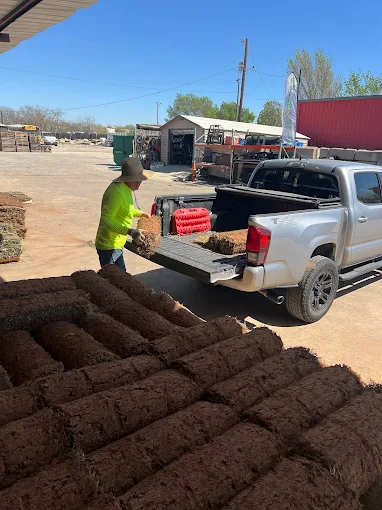
- Delivery planning is helpful when you’re coordinating multiple tasks (grading, soil prep, irrigation adjustments). It also reduces the risk of rolls sitting in heat.
- Pickup can work well if your schedule is tight and your transport conditions keep rolls cool and intact.
If you’re trying to figure out the best way to schedule your turf, these services can help you plan the logistics:
- sod delivery planning
- local grass pickup support
- professional sod installation services
Our Experience With Grass Installation in Texas Conditions
Here’s a realistic (anonymized) example we’ve seen:
Project: Replace struggling patchy grass with sod for a family yard with sprinkler coverage issues.
What we found: The homeowner thought the watering schedule was “fine,” but sprinkler heads were partially blocked by landscaping and the soil under the seam line stayed dry longer than the center.
Fix: We adjusted sprinkler coverage, corrected grade where water was pooling, and ensured firm sod-to-soil contact.
Result: The lawn greened quickly, and—most importantly—the seams stopped lifting because the moisture reached the rooting zone consistently.
The takeaway: if you want lawn repair with sod to last, you have to treat it like a rooting project, not just a surface replacement.
What Homeowners Should Know About Cost
People often ask how much does sod cost, and the answer can vary based on grass type, yard size, and whether installation is included. Pricing also depends on how much prep work you need before the first roll is laid.
If you’re comparing a pallet of sod price across options, consider:
- the true installed cost (prep + installation + aftercare)
- how much waste you’ll have based on your yard shape
- whether delivery timing reduces risk of drying or delays
A cheaper roll that gets installed late—or over poor soil contact—can cost more in the long run.
Carrollton or North Texas Relevance: Why It Matters Here
North Texas lawns live under a specific set of pressures:
- hot summers and dry wind
- clay soil that compacts easily
- irrigation schedules that don’t always match the new turf layout
- HOA expectations that sometimes push homeowners to move fast
In many Carrollton lawns, the difference between “nice for a week” and “stable for years” comes down to whether the soil was prepared to accept roots in the first crucial days. That’s why we emphasize planning around delivery, grading, and early watering.
Ready to Repair or Replace Your Lawn With Fresh Sod?
If you want the best chance at a lawn that roots deeply instead of browning at the seams, start with the right grass for your yard and a plan for delivery + installation timing.
About Your Local Grass Guy
Your Local Grass Guy provides sod sales, grass delivery, pickup options, consultations, and sod installation services throughout Carrollton, TX and surrounding North Texas communities. We focus on helping homeowners choose the right turf for local conditions, prepare lawns properly for rooting, and establish healthier turf through practical delivery guidance and installation support.
FAQ
How soon should sod be installed after delivery?
Sod should be installed as quickly as possible—ideally the same day it arrives. Rolls can dry at the edges in North Texas heat even if they look fine at first glance. If installation is delayed, we’ll help you plan staging and timing so the turf maintains quality.
What’s the best grass for Texas lawns in Carrollton?
The best choice depends on sun exposure, watering reliability, and maintenance comfort. Bermuda and TifTuf are common for heat tolerance, while zoysia is known for density once established. If your yard has heavy shade, your best option may differ—this is where a consultation helps.
Should I use starter fertilizer for new sod?
Starter fertilizer can support early establishment, especially when paired with correct watering and soil contact. The exact approach depends on your soil condition and the grass type. A consultation can help you time it properly as part of your lawn care after sod installation plan.
What watering schedule is best for new sod?
Instead of watering “by the clock” only, we recommend watering to reach the rooting zone consistently. In North Texas, early morning cycles help reduce evaporation. Watch the seams and adjust based on how moisture is penetrating the soil beneath the sod.
Can sod fix a patchy lawn quickly?
Sod can dramatically improve patchy areas fast, but it won’t fix underlying issues like compacted soil, poor drainage, or sprinkler coverage gaps. If you’re replacing dead grass or patchy sections, we’ll often recommend a short plan to address base conditions so the new lawn can actually root.