
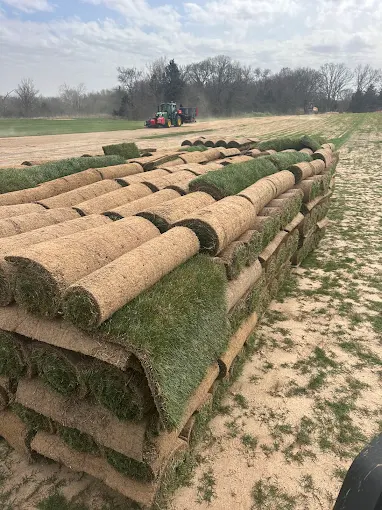
Lawn Sod Installation Made Easy: Local Pros Nearby
Last summer, a Carrollton homeowner called us because their new sod looked great for a week—then the seams started to lift and the middle sections began to thin out. The odd part? The lawn was getting watered, and it wasn’t obvious why it was failing so quickly.
What we see again and again in North Texas is this: sod can look “alive” on the surface for several days while the roots are still struggling to contact moisture and soil. If the soil underneath stays too hard (common with compacted clay) or the sprinkler coverage missed spots, the grass can’t root—so it eventually breaks at the edges and along the seams.
If you’re searching for sod near me or sod installation near me, this guide will help you plan a smoother install with the right grass, the right prep, and a realistic aftercare schedule—so your investment actually takes hold.
Quick Answer
For the best results in Carrollton and surrounding North Texas, plan around three things:
- Right grass for your site (sun/shade, traffic, irrigation consistency)
- Soil prep that actually softens and grades the bed before sod goes down
- Deep, consistent watering in the first 2–3 weeks, with attention to sprinkler coverage and moisture reaching the soil beneath the sod
If you want to get it right faster, consider pairing sod delivery services with professional installation so sod isn’t sitting in your driveway while the soil is still being prepped.
Best Grass for North Texas Lawns
North Texas lawns take heat differently depending on the grass type. Picking the wrong variety can turn “fresh sod near me” into a costly re-do.
Here’s how we typically steer homeowners:
Bermuda sod (often a top choice for sunny yards)
- Strong wear tolerance and fast recovery
- Handles heat well when watered properly
- Great for lawns with active use (kids, pets, mowing patterns)
If you’re asking about bermuda grass sod or tiftuf bermuda sod, you’re usually looking for something that stays dense and stands up to Texas summer stress—especially in full sun.
Zoysia sod (dense, lower maintenance once established)
- Slow-to-start compared to Bermuda, but holds up well
- Often shines in yards that get full sun and where irrigation scheduling is consistent
- Popular options include zeon zoysia sod for homeowners who want a thick feel over time
St. Augustine sod (best for more shade and moisture-tolerant sites)
- Prefers more consistent moisture than Bermuda or Zoysia
- Often a better fit for partially shaded areas, but still needs proper watering and soil prep
Fescue sod (cool-season option; limited in harsh summer performance)
- Some homeowners choose it for transition periods and mixed climates
- In North Texas heat, it usually needs careful management and may not be the “set it and forget it” solution for a fully warm-season lawn replacement
Local recommendation (simple rule of thumb)
- Mostly sun + active yard: Bermuda is often the easiest win.
- Want dense texture and can manage the establishment period: Zoysia can be a great long-term choice.
- More shade and irrigation reliability: St. Augustine is worth evaluating.
- If you’re unsure, a quick sod consultation for North Texas lawns helps match grass to your light and watering reality.
Sod Installation Made Easy: What We Actually Do (and Why It Works)
One firsthand observation from our installs in North Texas: the difference between “sod that survives” and “sod that roots” is usually invisible until about 10–21 days after installation.
During that window, we watch for:
- whether the sod stays in contact with the soil (no air pockets)
- whether moisture is reaching the top few inches consistently
- whether the grade slopes correctly so water doesn’t puddle or run off
If you’re installing lawn sod installation yourself, the most common failure point is rushing soil prep. Sod is not magic—it’s living grass that needs a prepared seedbed substitute.
What Homeowners Often Overlook
Homeowners usually focus on the sod itself—color, thickness, how “fresh” it looks on delivery. That’s understandable. But the details that matter most are usually these:
1) Sprinkler coverage doesn’t match the new lawn shape
A lot of North Texas yards have older irrigation layouts. When you replace grass, the lawn footprint changes slightly—sometimes by just enough to create a dry seam.
In one anonymized project (new construction front yard), the homeowner had a sprinkler system that covered the original landscaping bed well, but not the new side strip. The sod looked fine initially, then the edge dried first. We adjusted coverage, and the lawn stabilized once the roots could consistently reach moisture.
2) Compacted clay under the sod bed stays “hard”
North Texas clay can be deceptively firm. Even when the top looks okay, the layer beneath can stay compacted. That means water may sit on top briefly and then run off before it soaks deep enough for rooting.
3) Timing between delivery and installation matters
Fresh turf is fragile while it’s being handled and laid. If sod sits too long in heat or wind, you can get early stress that later shows up as thinning.
4) Fertility and soil amendments aren’t one-size-fits-all
Starter nutrients help establishment, but they work best when paired with correct soil prep. Over-applying or using the wrong approach can create more problems than it solves.
Mistakes That Keep New Grass From Rooting
Here are the most common issues we see when homeowners attempt install new sod lawn projects or when sod is delivered but installation coordination is off.
Common mistake: “We watered like the instructions said…”
But the lawn was actually getting frequent shallow water. Sod needs enough moisture to encourage root contact, not just surface dampness.
Fix: After watering, lift a corner of sod in one or two spots (especially along seams). If the soil underneath is still dry, your schedule or sprinkler coverage isn’t doing the job.
Common mistake: Skipping grade and leveling
Low spots collect water and cause uneven rooting. High spots drain too quickly. Either way, sod doesn’t establish uniformly.
Common mistake: Installing over debris or uneven old turf
Even small chunks of dead grass or compacted patches can create air pockets and break the water-soil contact line.
Common mistake: Fertilizing too late or too early
Many homeowners either skip starter fertilizer entirely or apply at the wrong time. For sod establishment, timing matters.
Sod Installation Checklist (Prep + Aftercare)
Use this checklist to keep your project on track from the day your sod arrives through the rooting phase.
Before sod delivery / install day
- Confirm your water plan: test sprinklers the day before (including coverage at corners and edges)
- Remove weeds and debris thoroughly
- Address compacted areas: loosen and grade so water can penetrate (without creating ruts)
- Plan access for pallets so sod doesn’t sit in direct sun waiting to be installed
- Choose the right grass variety for your site (sun, shade, traffic)
If you’re planning logistics, it helps to know your options—whether you’re looking for fresh sod delivery options or coordinating pickup for a DIY install.
During installation
- Install sod in rows with tight seams
- Fit edges cleanly (don’t leave gaps)
- Roll or press sod so it contacts the soil (especially along seams)
- Keep sod hydrated and move efficiently—don’t let it dry out between sections
This is where professional sod installation services can save you time and reduce risk.
After installation (first 2–3 weeks)
- Water deeply and consistently, aiming to keep the soil beneath the sod moist
- Avoid foot traffic until roots are taking hold
- Watch seams and edges daily—those are the first places to show failure
- Plan starter nutrition based on grass type and soil needs
Lawn care after sod installation
Once the lawn is established, build a routine that includes:
- gradual reduction in frequency (while maintaining enough depth)
- mowing at the correct height for your grass type
- monitoring for drought stress and thinning areas
If you’re also planning soil improvements, compost can support the long-term health of the turf, but it should be applied with the right method for your bed condition.
Sod Delivery vs Pickup: What We Recommend Locally
If you’re comparing sod delivery near me to pickup, here’s what matters in real life: minimizing time between harvest and installation.
In North Texas heat, sod that’s delayed—by traffic, scheduling, or waiting on soil prep—can experience stress that doesn’t always show immediately. It may look “fine” at first, then decline as rooting fails.
For many homeowners, delivery plus scheduling coordination is the easiest way to protect the investment. If you’d like to plan logistics around your project timeline, see our guidance on:
- sod delivery services
- local grass pickup support
And if you’re not sure what you need yet, starting with a consultation for North Texas lawns can prevent ordering too much (or the wrong grass) before you schedule delivery.
Our Experience With Grass Installation in Texas Conditions
We’ve installed lawns across different North Texas conditions—new construction yards with compacted subsoil, renovations where sprinkler patterns didn’t match the new layout, and replacement projects where homeowners were trying to fix dead grass after drought stress or shade issues.
One consistent pattern: lawns that fail after installation usually didn’t fail because the sod was “bad.” They failed because the soil-to-sod contact wasn’t consistent, moisture didn’t reach the soil underneath, or the grass type wasn’t matched to the site.
That’s why we don’t just talk about what grass looks like. We focus on how it roots in local conditions—especially with clay soils, summer heat, and sprinkler coverage that can be uneven across a yard.
Carrollton, TX: Why Local Soil and Sun Patterns Matter
Carrollton lawns often face a mix of:
- intense summer heat
- clay soils that compact easily
- irrigation systems that were designed for older landscaping layouts
- HOA expectations for uniform coverage
So when you’re searching where to buy sod near me or sod for sale near me, it’s not only about availability—it’s about getting the right product for your yard’s sun exposure and your ability to water consistently.
If you want a simple next step, we can help you match grass selection to your site and plan the install with minimal downtime. For many homeowners, that means coordinating with a local local sod supplier experienced with North Texas turf behavior.
Quick Look: What You Can Expect in a Real Project
Here’s a realistic anonymized example:
A homeowner wanted to replace a thin front lawn with something that looked fuller quickly. They chose a warm-season grass suited for sunny exposure and scheduled delivery with installation the same day. We prepped the bed by loosening compacted areas, grading for proper drainage, and tightening seams during laydown. The first week looked great; the second week stayed consistent because sprinkler coverage had been tested and adjusted ahead of time. By weeks three to four, the lawn held well at the seams and didn’t “pull up” when edges were lifted during watering checks.
The key difference wasn’t just grass—it was preparation, timing, and aftercare.
FAQ
How soon should sod be installed after delivery?
Ideally, sod should be installed as soon as possible after delivery—especially during hot, windy North Texas days. If it has to wait, keep it shaded and lightly misted, and avoid letting it dry out. Longer delays increase the risk of early stress that can show up as seam failure later.
What’s the best starter fertilizer for new sod?
Starter fertilizer helps establish roots, but the best approach depends on your soil and grass type. Many homeowners apply too much or apply at the wrong time. A targeted recommendation from a local pro is usually safer than guessing—especially if you’re also adding compost or soil amendments.
How often should I water new sod?
In the first couple of weeks, watering is usually frequent enough to keep the soil beneath the sod moist—not just the surface. The exact schedule depends on heat, wind, and sprinkler type. A good rule is to verify moisture depth by checking under a corner of sod after watering.
Can sod fix a patchy lawn quickly?
Sod can improve appearance quickly, but it won’t fix the underlying cause of patchiness. If the dead areas are from drought stress, poor drainage, or sprinkler gaps, sod will struggle unless those issues are addressed during prep and watering setup.
How much does sod cost in North Texas?
Costs vary by grass type, quantity, and whether delivery/installation are included. If you’re comparing options like a pallet of sod price, also consider total project value: soil prep, sprinkler coverage adjustments, and aftercare. Sometimes the “cheaper” sod costs more if it doesn’t establish because prep wasn’t thorough.
Ready to Repair or Replace Your Lawn With Fresh Sod?
If you’re planning a new lawn installation or you’re dealing with dead spots, seams lifting, or uneven coverage, the fastest path to a reliable result is matching the grass to your site and coordinating prep + delivery + installation correctly.
You can start with our team to choose the right sod and plan the logistics that protect your investment:
About Your Local Grass Guy
Your Local Grass Guy provides sod sales, grass delivery, pickup options, consultations, and sod installation services throughout Carrollton, TX and surrounding North Texas communities. The company focuses on helping homeowners choose the right grass for local conditions, prepare lawns properly, and establish healthier turf through practical sod guidance, delivery support, and professional installation solutions.