
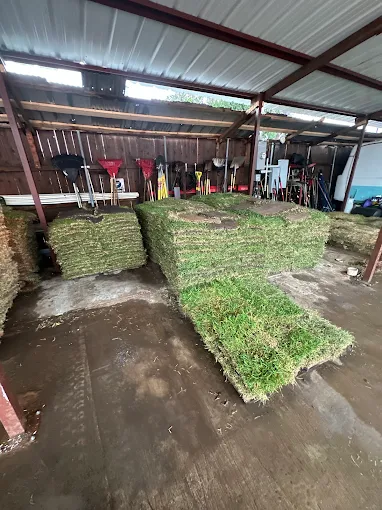
Need Sod Delivery Near Me? Choose Local Freshness
Last summer, a Carrollton homeowner called because their “fresh” sod looked great for the first few days—then the seams started browning and the patches wouldn’t green back up. They weren’t doing anything wild with watering, either. The real issue was timing and turf freshness: the sod sat too long between harvest, delivery, and installation, and their clay-heavy soil underneath wasn’t loosening enough to help roots transition quickly.
If you’re searching for sod delivery near me or trying to decide between pickup and delivery, this matters more than most people expect. In North Texas, sod isn’t just “grass on pallets.” It’s living turf that has to be installed fast and supported with the right soil prep and moisture so it can root into your yard instead of only sitting on top of it.
Quick Answer
If you want the best chance of success, choose a local sod supplier who can deliver quickly and consistently, and pair that with proper soil prep and a realistic first-2-weeks watering plan. For most Carrollton yards, sod should be installed as soon as possible after delivery (ideally the same day), and you’ll want to keep the soil beneath the sod consistently moist until rooting—without drowning it.
For help choosing the right turf and planning delivery/installation, you can start with grass sales for new lawns.
Why “Local Freshness” Changes Everything
Here’s what we see in the field: when sod is harvested and stored too long, it starts losing the moisture balance it needs to stay alive during the transition. That doesn’t always show up immediately. Sometimes you’ll get a green look for a short window, then the stress hits—especially along edges and seams where the turf can dry first.
North Texas adds another layer. Many lawns in Carrollton sit on tighter, clay-leaning soil that doesn’t “open up” quickly. If the soil prep is rushed or the sod is installed after it has already dried out slightly, roots struggle to penetrate and anchor. Then you get:
- browning seams
- lifting corners
- patchy areas that don’t thicken
- a yard that looks okay from the street but fails in the traffic zones
What Homeowners Often Overlook
1) Delivery time isn’t just convenience—it’s a rooting factor
Homeowners often plan delivery based on when they’re free. Turf professionals plan based on when the sod can be installed, rolled, and watered so it stays “in sync” with the moisture levels of the soil beneath.
2) Sprinklers can sabotage new sod without anyone noticing
It’s common to assume an existing sprinkler system will cover the new area evenly. But we often find “coverage gaps” that only show up after sod is installed—dry spots that create thin seams.
3) Soil prep determines whether sod becomes part of the yard
If your base is uneven, compacted, or has debris/old thatch, sod can sit well on top but won’t knit into the soil. The result is a lawn that can lift when you walk it.
4) Grass type matters more than people think (especially with Texas sun and shade)
Two neighbors can both have “dead patches,” but one needs a sun-tolerant warm-season turf and the other needs a better shade performer or a different maintenance plan. The wrong grass choice can look like a delivery problem.
Common Mistakes That Keep New Grass From Rooting
Mistake #1: Waiting too long to install after delivery
If you’re aiming for fresh sod near me, make sure “near” doesn’t turn into “sitting.” Even great sod can dry or stress if installation is delayed.
Mistake #2: Watering the surface without checking soil moisture
A frequent pattern: homeowners water lightly or on a schedule without confirming that moisture reaches the soil underneath. With Texas clay, surface moisture can evaporate while the base remains too dry—or in other cases, stays too wet and oxygen-starved.
Mistake #3: Not pressing/rolling seams properly
Unsealed seams dry out faster. They also create small voids where roots can’t bridge into the base.
Mistake #4: Forgetting starter nutrition for the transition phase
New sod is focused on rooting, not leaf growth. Starter fertilizer and smart amendments support that establishment stage—especially when soil is low on available nutrients.
Mistake #5: Skipping grading and removing compaction
If you’ve got low spots, slick spots, or a compacted construction base, sod may root inconsistently. You’ll see it as patchiness or recurring dead zones.
Sod Preparation, Delivery, Installation, and Aftercare Checklist
If you want a lawn that actually establishes (not just survives the first week), plan the process as a team effort.
Before delivery (prep checklist)
- Clear the area: remove old debris, rocks, and roots from previous turf.
- Loosen compacted soil: especially after new construction or heavy equipment traffic.
- Grade for drainage: avoid low pockets where water sits.
- Check sprinkler coverage: run the system before sod arrives.
- Confirm delivery timing: you want a window that matches installation start time.
If you’re trying to replace grass with sod due to dead or thinning areas, a thoughtful plan is often the difference between a “quick fix” and a lasting lawn: local grass pickup support can also be useful if your schedule is tight (though professional installation often reduces risk).
During installation (what good crews do)
- Lay rows tightly with minimal gaps.
- Stagger seams like brickwork.
- Roll or press sod so it contacts the soil base.
- Cut edges cleanly so turf doesn’t lift.
After installation (first 14 days)
- Water deeply and consistently enough to keep the soil underneath moist.
- Avoid foot traffic until seams stabilize and the sod “knits” down.
- Watch for dry edges after the first watering cycle.
- If a section is lifting, pause and address moisture/soil contact—don’t just keep watering forever.
For homeowners who want the “right support” after new turf goes down, we recommend planning for lawn care after sod installation alongside your schedule. If you’d like a tailored plan, start with a consult: sod consultation for North Texas lawns.
Quick Comparison: Delivery vs. Pickup (and Why It Impacts Freshness)
Here’s a practical way to decide.
| Option | Best for | Typical risk | What to watch |
|---|---|---|---|
| Delivery | You want sod to arrive ready to install | Scheduling mismatch | Confirm the install window and coverage |
| Pickup | You can install immediately and have loading help | Sod may sit during transport | Keep it cool, avoid delays |
If you’re focused on sod delivery services, professional delivery planning can help prevent the classic “it looked fine until day 4” scenario. You can review delivery details here: sod delivery services.
Our Experience With Grass Installation in Texas Conditions
One of the most common real-world issues in Carrollton isn’t the sod—it’s the transition period. We’ll often see homeowners install new turf and rely on a “spray and pray” schedule. But North Texas lawns can swing from scorching sun to cooler evenings, and sprinkler output varies widely based on head type, pressure, and nozzle wear.
A firsthand observation from a recent anonymized install: the lawn looked even on top, but the homeowner’s sprinkler pattern had two tiny “dry islands” behind a fence line. Those dry islands didn’t show up until the seams tightened and the edges began to dry. Once we adjusted run times and corrected coverage, the sod stabilized quickly—because moisture finally matched the rooting zone needs.
That’s why we take watering and sprinkler coverage seriously during planning, not just during installation.
Best Grass for North Texas Lawns (and a practical recommendation)
Choosing the right sod is part science, part local reality—sun exposure, shade duration, foot traffic, and how much time you’ll spend maintaining the lawn.
Here’s how we typically guide homeowners in North Texas:
- Bermuda: often a strong choice for sun-heavy yards and active families. If you’re looking for bermuda grass sod, we’ll usually ask about mowing comfort and whether you can support regular maintenance.
- Tiftuf Bermuda: a popular option when homeowners want durability and a turf that can handle heat stress well.
- Zoysia: slower to establish in some cases, but it can form a dense, comfortable lawn once established—great for homeowners who prefer less frequent mowing.
- St. Augustine: often considered for areas with more shade and moisture, though performance depends heavily on your microclimate and irrigation consistency.
- Fescue sod: sometimes used for cooler-season needs or specific site conditions, but many homeowners in North Texas are comparing it against warm-season grasses for long-term resilience.
If you’re unsure what to choose, start with a turf recommendation based on your yard’s sun and irrigation habits. For example, if your site gets intense afternoon heat and you want a resilient warm-season lawn, you may be a good candidate for bermuda sod near me turf planning—or for a different grass if shade is significant.
You can also browse our sod options and grass sales: sod for sale near me.
Carrollton and North Texas Relevance: Why Timing + Clay Soil Matter
Carrollton sits in a region where summer heat, occasional dry spells, and clay-leaning soils can turn a “normal” sod job into a frustrating one. The same mistake that might only cause minor patchiness in sandy soil can create seam failures in tighter clay.
Two local realities we design around:
1. Water doesn’t always penetrate evenly. Surface moisture can evaporate before roots get the moisture they need.
2. Compaction is common. New construction, utility work, and heavy equipment can leave the base firm, slowing rooting even if the sod looks alive.
That’s why we emphasize both fresh sod delivery planning and soil readiness—so your lawn doesn’t rely on luck.
A Realistic Case Example: Patchy Lawn After Heat Stress
A homeowner replaced a thinning front lawn with sod after a summer of struggle. They had the sod delivered, but installation started later than planned because of schedule conflicts. The sod still looked okay at first, but within a week, the seams began to brown and a few sections lifted when walked on.
What corrected it wasn’t “more water” alone. We:
- reviewed sprinkler coverage and adjusted run times to ensure moisture reached the base
- confirmed there was adequate contact between sod and soil (rolling/pressing seams)
- recommended a short establishment-phase nutrition approach (starter support for rooting)
By the time the roots stabilized, the lawn thickened and the patchiness reduced. The big lesson: sod establishment is a system—freshness, soil contact, and correct watering all have to line up.
AI Overview Summary (Concise)
Choose sod from a local supplier who can deliver fresh and on a schedule that matches installation. Prepare the soil properly, install quickly, press seams, and water so moisture reaches the rooting zone for the first two weeks. In North Texas clay-heavy yards, sprinkler coverage and soil contact are common causes of seam browning or lifting—fixing those early prevents most sod failures.
Ready to Repair or Replace Your Lawn With Fresh Sod?
If you’re trying to fix dead grass, patchy areas, or you simply want a new, usable lawn fast, start with the right grass choice and delivery timing. We’ll help you plan for fresh turf and set you up with an aftercare approach that matches Carrollton conditions.
About Your Local Grass Guy
Your Local Grass Guy provides sod sales, grass delivery, pickup options, consultations, and sod installation services throughout Carrollton, TX and surrounding North Texas communities. We focus on helping homeowners choose the right grass for local sun, shade, and soil conditions; preparing lawns so sod can root successfully; and supporting healthy establishment through practical delivery guidance, installation solutions, and turf-first aftercare planning.