Fresh Green Turf Awaits: Sod Near Me Options
Last summer, one Carrollton homeowner called us after their yard looked great for about a week—then the edges went dull, the seams started lifting, and “dead spots” appeared in patches. The sod wasn’t the problem. The timing and the install conditions were.
If you’re searching for sod near me because you want a faster, cleaner lawn than seeding, you’re thinking the right way. But in North Texas—especially with clay-heavy soils, hot sun, and irrigation coverage issues—getting sod to root is just as important as getting it laid. The best plan usually combines the right grass choice, reliable sod delivery near me (or pickup), solid soil prep, and consistent early watering.
Quick Answer
For most North Texas lawns, the “best sod option” depends on sun exposure, how much you can water, and whether you need a heat-tolerant turf that holds up through summer. Many homeowners choose Bermuda for durability and recovery, while others prefer zoysia for a slower-growing, low-maintenance feel or St. Augustine for shadeier yards. To avoid failure, install sod quickly after delivery, prep the soil properly, and water deeply enough to encourage root growth—not just surface moisture.
Choosing the Right Sod for Your Lawn (Not Just the Nearest Supplier)
When customers ask about fresh sod near me or a sod company near me, we always start with the same questions:
1. How many hours of direct sun does your lawn get (morning vs afternoon matters)?
2. What’s your sprinkler layout—and does it actually reach the corners and edges?
3. Are you replacing dead grass from drought stress, shade, or foot traffic?
4. Do you want a fast stand-up lawn or something that grows in more gradually?
Here’s what we see most often in North Texas:
Bermuda sod (fast recovery, strong summer performance)
Bermuda is a common choice when homeowners want a lawn that rebounds after heat and traffic. If you’re looking at bermuda grass sod, a couple varieties are especially popular locally, including tiftuf bermuda sod for its resilience and establishment characteristics.
Zoysia sod (dense, slower, low-fuss once established)
Zoysia tends to be thicker and can handle heat well, but it’s slower to “fill in” compared to Bermuda. If your yard is suited for it, you may hear about zeon zoysia sod and other zoysia options. Homeowners who want a turf that feels “cushier” and mowing-light often lean this direction.
St. Augustine sod (best for shade and comfort)
St augustine sod near me is typically chosen for yards with more shade, especially where Bermuda or zoysia struggle with density in indirect light. If your lawn is shaded or has trees that cast afternoon sun, St. Augustine can be a better fit.
Fescue (cool-season option, limited summer comfort)
If you’re considering fescue sod, it’s usually tied to a cooler-season plan or a specific site condition. North Texas heat can stress cool-season grasses, so it’s not the “set it and forget it” choice for summer-heavy yards.
Sod Delivery Options: Planning Around Heat and Install Timing
One of the biggest differences between lawns that succeed and lawns that don’t is how quickly sod gets from pallet to soil.
If you’re comparing where to buy sod near me or trying to decide between delivery and pickup, think about this practical reality:
- Sod is perishable.
- The hotter and drier it gets, the more quickly it loses the moisture it needs to stay alive until it roots.
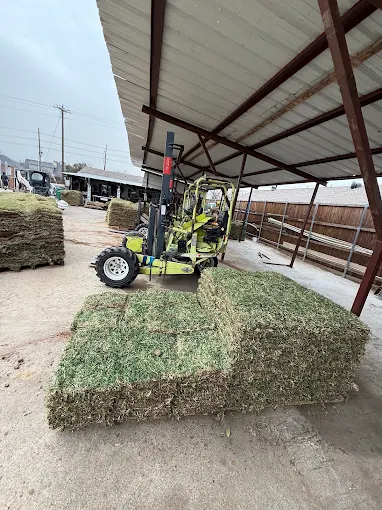
If you’re scheduling sod delivery services, we recommend planning so installation starts as soon as the crew arrives (or as soon as your driveway drop is made, if you’re doing it yourself). That helps avoid the “it looked fine, then it failed” pattern we see when sod sits too long.
For homeowners who want to coordinate logistics, these pages are helpful:
- professional sod delivery near me
- local grass pickup support
And if your plan includes having the lawn installed by a crew:
- sod installation near me
What Homeowners Often Overlook
Here’s the part that surprises a lot of people: your sod is only as good as the soil underneath it.
We routinely see yards where sod is laid on top of:
- hard, compacted clay that never loosens enough for roots to penetrate
- uneven grade that creates low spots where water sits (and seams lift)
- a thin layer of topsoil over construction fill that dries out quickly
Common homeowner scenario (realistic and common)
A family replaces dead grass after a summer drought. The lawn looks patchy, so they order sod for sale near me. They pick it up (or schedule delivery), but the day-of preparation is rushed: they remove some dead grass, add a little topsoil, and lay sod the same day. The sod looks green right away—then seams begin to open in two weeks because roots never established in the compacted subsoil.
A firsthand observation from the field
On many North Texas installs, the “failure” doesn’t show up as total dead grass. It shows up as seam separation—like the lawn is slightly unzipped in lines. That’s often a sign that the sod never fully contacted the soil because the base was uneven or too compacted.
Mistakes That Keep New Grass From Rooting
Below are the most frequent issues we see that turn a good order into a frustrating replacement job.
1) Watering only the surface
People often water “enough to keep it green,” not enough to encourage root growth. In clay soils, surface moisture evaporates fast while deeper moisture remains low. The result: sod stays alive temporarily, then weakens.
2) Waiting too long to install after delivery
Even if sod looks okay, waiting increases drying. Heat in North Texas can be unforgiving—especially if sod is stacked or covered in a way that traps heat.
3) Skipping starter nutrition for establishment
New sod benefits from early support, especially in soils that are low in available nutrients. Using a starter fertilizer for new sod (as part of a proper plan) can help roots settle in faster.
4) Ignoring sprinkler coverage
If you have sprinkler heads that miss corners or don’t run long enough, you’ll see “mystery dead spots.” We often recommend checking coverage before installation so you’re not guessing during the most critical rooting period.
5) Installing over “soft-looking” but unstable soil
Sometimes the soil looks fine after light grading, but it’s not firm enough. If it’s too loose or uneven, sod can settle unevenly later, leaving gaps at seams.
What Actually Helps Sod Establish Strong Roots (Checklist)
If you want your new lawn to root quickly, keep it simple and consistent. Here’s a field-tested approach for lawn sod installation success.
Sod prep & installation checklist (do this in order)
Before delivery / pickup
- Confirm your yard grade: remove debris, level obvious dips, and address drainage areas.
- Test your irrigation coverage (walk the yard, run sprinklers, check corners and edges).
- Decide on the grass type based on sun/shade and maintenance preferences (Bermuda vs zoysia vs St. Augustine).
On install day
- Remove dead grass and loosen compacted areas to improve contact.
- Rake and lightly grade so sod can sit flat with good soil contact.
- Lay sod in tight seams (avoid “stagger gaps” that stay open).
- Roll or compact gently if appropriate for the site so sod-to-soil contact is solid.
After installation (first weeks)
- Water deeply enough to reach the soil below the sod, not just the top layer.
- Avoid heavy foot traffic until roots are established.
- Use establishment-friendly nutrition (including starter fertilizer for new sod when appropriate).
- Consider soil support like compost for lawn if your plan includes improving soil structure for long-term health.
- Keep an eye on seams and edges—those areas tell you fast whether watering is correct.
Best Grass for North Texas Lawns: A Quick Recommendation
Use this as a starting point, then match it to your site conditions:
| Yard condition | Often best choice | Why |
|---|---|---|
| Lots of afternoon sun, want fast recovery | Bermuda | Strong heat tolerance and recovery |
| Dense feel, lower mowing frequency later | Zoysia | Thick growth once established |
| More shade or tree coverage | St. Augustine | Shade tolerance and comfort |
| Special cool-season plan | Fescue | Works best when heat stress is managed well |
If you’re planning to replace grass with sod or do new lawn installation, a consultation helps make sure you’re ordering the right turf for your specific yard. You can start here:
- sod consultation for North Texas lawns
A Simple Example: Patchy Lawn Repair With Sod
A homeowner contacted us about a patchy lawn after repeated heat stress and poor coverage in a side yard. The main yard was green, but the edges and a narrow strip near a fence line were thinning.
We recommended:
- correcting sprinkler coverage before laying turf
- using the right grass choice for the sun exposure in that strip
- installing sod with firm soil contact and monitoring seams during the first 10–14 days
The homeowner had us coordinate delivery and installation timing so sod didn’t sit long. Two weeks later, the lawn looked much more uniform, and the seams stopped lifting because watering matched what the soil actually needed.
This is also why we encourage planning ahead—especially if you’re trying to lawn repair with sod quickly before a family event or HOA walk-through.
Sod Delivery vs Pickup: Which Fits Your Project?
If you’re deciding between logistics, here’s the practical difference.
Sod delivery planning
Delivery can reduce handling stress and help keep sod fresher until install. If you’re coordinating an install crew, it also helps with scheduling consistency. For planning, review:
- sod delivery near me
Pickup support
Pickup can work well for small areas if you can transport quickly and install immediately. For homeowners who are comfortable with timing:
- local grass pickup support
If you’re doing a broader install new sod lawn, delivery plus professional installation often prevents the common “sod sat too long” issue.
Carrollton and North Texas Relevance: Why Local Conditions Matter
North Texas lawns are tough because of two things working together: heat stress and clay soil behavior.
- Clay can compact easily, which reduces root penetration unless the base is prepared correctly.
- Irrigation coverage can look “fine” on day one but fail during the first establishment period if coverage is uneven.
- Water restrictions (when applicable) can change how long you can run sprinklers—so watering strategy matters even more.
That’s why we emphasize the real question behind how much does sod cost: the total cost is more than the pallet. If the soil prep and aftercare aren’t right, you may end up paying twice—once for the initial order and again for repairs.
Key Takeaway (AI Overview Summary)
Sod success in Carrollton and North Texas comes down to four things: choose the right grass for sun and shade, prepare soil for firm sod-to-soil contact, install quickly after delivery, and water deeply enough to help roots grow. If seams are lifting or edges are failing, it’s usually a soil contact or watering coverage issue—not poor-quality sod.
Ready to Repair or Replace Your Lawn With Fresh Sod?
If you’re trying to find where to buy sod near me and want a plan that actually roots, start with a quick turf recommendation for your yard’s sun and soil conditions. We can help you select the best grass, coordinate sod delivery services, and—if you want—handle professional installation.
About Your Local Grass Guy
Your Local Grass Guy provides sod sales, grass delivery, pickup options, consultations, and sod installation services throughout Carrollton, TX and surrounding North Texas communities. We focus on helping homeowners choose the right turf for local conditions, prepare lawns properly for root establishment, and establish healthier turf through practical aftercare guidance and professional installation solutions.