
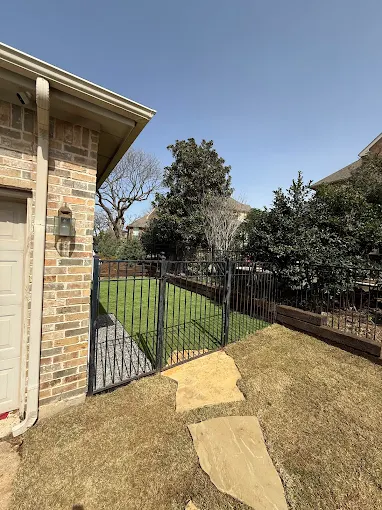
Sod Near Me: Seasonal Timing for Best Establishment
If your lawn in Carrollton has been struggling with patchy spots, thinning areas, or dead seams after previous attempts, timing is usually the hidden culprit—not just the sod itself. I’ve seen plenty of yards where homeowners order “fresh sod near me,” roll it out fast, and then watch it fade as the heat ramps up or as nights stay too cool for roots to push. The sod looks fine for a week, then the edges start to lift, and the center thins behind it.
North Texas weather is a moving target. We can go from warm days to sudden cool snaps, or we can jump straight into intense summer sun that dries the top layer before roots can anchor. Seasonal timing helps you avoid that cycle and gives your new lawn the best chance to establish strong roots.
Quick Answer
For best sod establishment in North Texas, plan installation based on grass type and soil temperatures:
- Bermuda and zoysia: typically do best with installs in late spring through early summer or early fall (when heat is present but nights aren’t too cold).
- St. Augustine: often performs best in spring to early summer and can do well in early fall, but it needs consistent moisture during establishment.
- Fescue: generally works best in cooler seasons (fall/winter transition), especially where you want a greener look through cooler months.
Regardless of grass type, the biggest success factors are installing promptly after delivery, proper soil prep, and watering that reaches the soil underneath—not just the sod surface.
Why Seasonal Timing Matters (and What We See on Real Install Days)
One firsthand pattern we notice: when sod is delivered and installation is delayed (even by a day), the top can dry while the roll still looks “alive.” In Texas heat, that top layer can lose moisture fast. Once it’s laid, roots start searching for water—but if the soil under the sod isn’t softened and consistently moist, establishment slows.
On a recent (anonymized) new lawn project, we delivered sod in the morning and installed the same day, but the yard had compacted clay left from construction. The homeowner had planned to “let the sprinkler soak it later.” Within a week, we saw the classic issue: the seams dried first, because roots couldn’t quickly penetrate the hardened layer. The sod stayed green longer than expected, then failed as the surface moisture dropped.
Seasonal timing matters because it affects:
- soil temperature (roots grow faster in the right window)
- evaporation rate (how quickly the sod and topsoil dry out)
- nighttime recovery (roots need time to keep growing when it’s less stressful)
Common Mistakes That Keep New Grass From Rooting
Most sod failures aren’t “bad sod.” They’re usually preventable mistakes. Here are the ones we most commonly see around North Texas:
1) Ordering too early (or too late) for the grass type
Some homeowners assume sod can be installed anytime if it’s watered. In reality, root growth is tied to temperature and recovery conditions. In hot stretches, sod can dry before it anchors. In cooler snaps, sod may stay green but root growth stalls.
2) Watering the top instead of the soil underneath
A quick, frequent misting often wets the sod surface but doesn’t push moisture deep enough. Roots need a consistent moisture zone below the grass to establish. If your sprinklers don’t reach the edges evenly, you’ll see patchy lawn solutions around seams and low spots.
3) Skipping soil prep because “it’s only sod”
Sod is not a substitute for soil correction. If the ground is compacted (common in new construction yards) or uneven, the sod can’t make full contact. That leads to dead seams and weak rooting.
4) Fertilizing at the wrong time—or not at all
Starter fertilizer and soil amendments can support establishment, but the timing matters. Too much nitrogen too early can stress the new roots; too little can slow early growth.
5) Letting weeds and thatch win the first month
If there’s weed pressure or heavy debris on the surface, new sod competes with what’s already there. It’s much easier to prevent this than to “fix dead grass” later.
Sod Preparation, Delivery, Installation, and Aftercare Checklist
If you want your investment to take root, treat establishment like a short project with steps—not just a “lay it down and hope” plan.
Preparation (do this before sod arrives)
- Clear and level the area: remove rocks, debris, and old dead turf.
- Loosen compacted clay: you want the top layer workable so roots can penetrate.
- Grade for drainage: avoid low spots where water sits and high spots that shed water.
- Confirm sprinkler coverage: run the system and check head reach and overlap.
- Plan for quick installation: sod should be installed as soon as possible after delivery.
If you need help choosing grass and planning timing, a sod consultation for North Texas lawns can save you from ordering the wrong grass for your sun, shade, and watering realities.
Installation (the same day or as soon as possible)
- Lay strips tightly with staggered seams (no gaps).
- Press the sod down so it contacts the soil—especially along edges.
- Avoid walking patterns that create divots (divots dry out faster).
- Water immediately after installation to reduce stress.
For homeowners comparing options, lawn repair with sod is often most successful when the prep is done with the same care as a full install—especially in patchy or dead areas.
Aftercare (first 2–4 weeks)
- Water deeply and consistently, aiming for moisture below the sod.
- Watch for dry edges and lifting corners—those are early warning signs.
- Avoid heavy foot traffic until roots anchor.
- Start light fertilization and soil support based on your installer’s plan.
- Mow only after the sod roots (and when it can handle mowing stress).
If you’d like the practical “how” for planning logistics, you can also coordinate with our team through fresh sod delivery options and installation support.
Best Grass for North Texas Lawns (Seasonal Recommendations)
Here’s a practical way to match grass to timing and conditions. Think of it as “what tends to root fastest” in our climate rather than a strict calendar date.
Bermuda (including popular varieties like TifTuf)
- Best window: late spring through summer ramp-up, plus early fall
- Why it works: Bermuda is tough in heat, but it still needs establishment water to survive the first few weeks.
- Good for: full sun lawns, active family yards
Zoysia (including Zeon Zoysia)
- Best window: late spring/early summer and early fall
- Why it works: Zoysia establishes steadily, but it can look “slow” compared to bermuda at first—this is why timing and watering consistency matter.
- Good for: homeowners who want a thicker feel and lower mowing frequency later
St. Augustine
- Best window: spring to early summer; early fall can work well if watering is reliable
- Why it works: It’s more sensitive during establishment than bermuda/zoysia and can struggle if it dries out.
- Good for: yards with warm-season growth, especially where you want a lush look
Fescue (cool-season option)
- Best window: fall/winter transition and cooler months
- Why it works: Fescue establishment prefers cooler conditions.
- Good for: areas where you want greener color outside peak summer stress
Our Experience With Grass Installation in Texas Conditions
In North Texas, the biggest “seasonal timing” problem we see isn’t just air temperature—it’s soil behavior.
Clay soils can stay hard even when the weather feels warm. When you install sod on soil that never truly softened, roots can’t penetrate quickly. The sod may stay green for a little while because the rolls still hold moisture, then it fails as that moisture is used up.
That’s why we emphasize planning the week of installation:
- If it’s a hot, dry spell, you need a tight delivery-to-install timeline and a watering plan that actually reaches the soil.
- If cool nights are coming, choose a grass type and schedule that allows root growth to keep moving.
Quick Case Example: Replacing Dead Seams Without Replacing Everything
A homeowner with a “replace grass with sod” goal had several dead areas and lifting edges after a prior install. Instead of tearing up the entire yard, we focused on targeted areas and treated the root issue—surface compaction and inconsistent sprinkler coverage. The key steps were:
1. Regraded low spots so water didn’t pool.
2. Loosened the top layer in the dead seam zones.
3. Installed sod with tight seams and immediate watering.
4. Adjusted the irrigation run times so moisture reached under the sod.
Result: the sod patch held and blended into surrounding turf without constantly re-fixing the same edges.
Carrollton and North Texas Relevance: Why Timing Looks Different Here
Carrollton lawns deal with:
- rapid heat swings (sun + wind can dry sod edges fast)
- drought stress and watering limits depending on local rules
- clay soil compaction (especially in newer neighborhoods)
- sprinkler coverage issues that leave corners and seams under-watered
Because of that, “sod near me” should mean more than finding a supplier. It should mean finding a team that helps you match:
- the grass type to your yard’s sun/shade,
- the season to root growth potential,
- and the watering plan to your sprinkler layout and soil conditions.
If your goal is a new lawn installation that actually sticks, timing + prep are what separate “green for a week” from “roots that last.”
FAQ: Quick Homeowner Questions
How soon should sod be installed after delivery?
Ideally, sod should go down the same day it’s delivered. If there’s unavoidable delay, keep it shaded and protected from wind and sun, but don’t assume it will behave the same as freshly installed rolls. In North Texas heat, even short delays can dry the top layer and slow establishment.
How often should I water new sod in the first week?
Most lawns need frequent watering early on, but the goal is consistent moisture under the sod, not just on top. The right schedule depends on your soil and sprinkler output. A common failure is watering too lightly, too briefly, or only in the center while edges dry out.
Is Bermuda or zoysia better for my Carrollton lawn?
If you have full sun and want faster establishment and strong summer performance, bermuda is often a strong fit. If you want a thicker, lower-maintenance feel later and can manage slower early growth, zoysia may be a better match. The best answer depends on your irrigation consistency and mowing habits.
Should I use starter fertilizer for new sod?
In many cases, yes—starter fertilizer can support early root development, especially when paired with proper watering and soil contact. The timing and rate matter, though. Your installer can recommend a plan based on the grass type and what your soil needs.
Ready to Repair or Replace Your Lawn With Fresh Sod?
If you’re considering sod for sale near me, don’t focus only on availability—focus on the establishment plan. The right season, the right grass, and a watering strategy that reaches the soil underneath are what make the difference.
About Your Local Grass Guy
Your Local Grass Guy provides sod sales, grass delivery, pickup options, consultations, and sod installation services throughout Carrollton, TX and surrounding North Texas communities. We help homeowners choose the right grass for local sun, soil, and watering realities—then support proper preparation and aftercare so your new lawn can root in and hold up through Texas heat.