
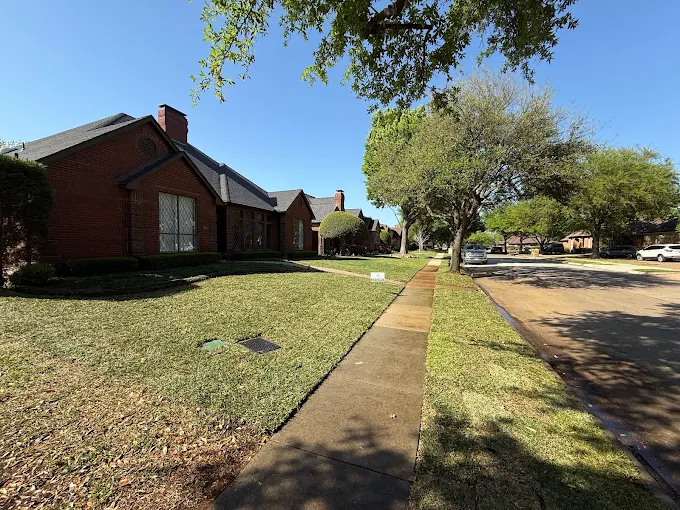
Sod Delivery Near Me: Fresh Rolls, Healthy Growth
A lot of Carrollton homeowners call us after they’ve already spent money—on seed, on “cheap sod,” or on a delivery date that slipped. Then the lawn starts looking good for a few days… and the seams go patchy. You’ll see it first in the low spots where water runs, and along the edges where the rolls dried out a little too long before installation.
If you’ve been searching for sod delivery near me or trying to figure out the fastest way to get a solid, usable yard, the key isn’t just getting fresh rolls. It’s matching your grass to North Texas conditions and making sure the sod actually has a chance to root into your soil—especially in yards with compacted clay or uneven sprinkler coverage.
Quick Answer
For best results, plan for fresh sod delivery (or pickup) that aligns with installation the same day or immediately after. Choose a grass type that fits your sun/shade and water realities (Bermuda and zoysia are common North Texas choices; St. Augustine often wins in hotter, sandier pockets or shade-tolerant situations). Then focus on soil prep, deep watering, and steady aftercare during the first 2–3 weeks.
What Homeowners Often Overlook
Most “sod failure” complaints aren’t about the sod itself—they’re about the timing and the ground it’s laid on.
Here are the things we see homeowners overlook most in North Texas:
- Sod sitting too long: Rolls can look fine while they’re still green, but once they lose moisture and heat builds up, roots don’t establish cleanly.
- Moisture that never reaches the soil: A quick mist keeps the top looking alive while the underlying clay stays dry or compacted.
- Sprinkler patterns missing areas: It’s common for sprinkler heads to be misaligned after landscaping work, or for new lawns to have partial coverage—creating “dead seams.”
- Soil prep that’s rushed: If the grade is off or the soil is still hard-packed, sod roots struggle to penetrate and anchor.
A realistic homeowner scenario we see in Carrollton
One family wanted to replace dead grass before a summer event. They ordered sod, but the install got delayed by a day due to scheduling conflicts. When the crew finally laid it, the first rows looked great. By the end of the second week, the sod edges started to thin and the middle began to show stress. The sod wasn’t “bad”—it just didn’t get the consistent root establishment window it needed, and the soil prep didn’t fully loosen the compacted top layer.
Our Experience With Grass Installation in Texas Conditions
North Texas lawns often start with the same baseline: clay that compacts easily and can form a crust after watering. In those conditions, sod needs two things to succeed:
1. Contact between the roll and the soil (no air pockets, no “high spots” under seams).
2. Moisture that penetrates past the top layer.
On many installs, we’ll do a quick “slide test” as we’re preparing the area: if the soil surface is powdery in some spots but rock-hard in others, sod can root unevenly. That’s when you end up with green-looking turf on top and weaker rooting underneath—then the lawn thins during Texas heat swings.
We’ve also seen that homeowners underestimate how quickly temperature and wind can dry sod rolls. Even a short gap between delivery and installation can be the difference between healthy, tight seams and “separation lines” you can tug apart.
Common Mistakes That Keep New Grass From Rooting
Here are the most common mistakes we see when people arrange buying sod near me or planning their own install:
1) Buying the right sod but installing it on the wrong ground
If the soil is lumpy, compacted, or graded incorrectly, the sod can’t settle evenly. You’ll often see seam gaps or “waves” that dry out faster than the rest of the lawn.
2) Watering lightly or on a timer only
A common pattern is “water every day, just enough to keep it green.” That keeps the surface alive, but it doesn’t encourage roots to grow down. For North Texas clay, you usually need deep, consistent watering that wets the soil beneath the sod.
3) Mowing too soon
If you cut before the roots establish, you stress the turf and increase the risk of pulling up seams.
4) Skipping starter fertilizer and soil amendments
Sod has energy needs while rooting. Many homeowners do fine with general lawn fertilizer later, but during establishment the soil needs the right support—especially if your yard is low on organic matter.
5) Choosing the wrong grass for your yard’s conditions
A shade-heavy yard that’s struggling in heat and drought isn’t a great match for every grass type. The “best grass for texas lawns” depends on how much sun you get, how your sprinklers perform, and how much maintenance you’ll realistically do.
What Actually Helps Sod Establish Strong Roots
If you want fresh sod near me that turns into a durable lawn, start with a plan that covers preparation, installation, and aftercare.
Sod Preparation Checklist (before delivery)
This is the part that saves you later.
- Clear the area: remove dead grass, weeds, and debris.
- Assess grade and drainage: fix low spots and make sure water won’t pool in one corner.
- Loosen the top layer: in clay-heavy yards, loosen enough that roots can penetrate (not just scratch the surface).
- Remove rocks and construction debris: they prevent sod contact and can create uneven rooting.
- Edge properly: so rolls fit tightly and seams stay closed.
- Plan your install path: avoid walking on freshly placed sod and prevent traffic from tearing seams.
Installation timing that matters
- Lay sod as soon as possible after delivery.
- Keep rolls cool and shaded if there’s any unavoidable delay.
- Avoid stretching rolls—make them fit and press them into place.
Aftercare checklist (first 2–3 weeks)
- Water deeply early (and avoid “spray-only” watering that doesn’t reach the soil under the sod).
- Keep foot traffic off the lawn until it’s stable.
- Watch seams and edges daily—those areas tell you first whether watering and contact are working.
- Wait to mow until the sod shows stable rooting and can handle light mowing without lifting.
Sod Delivery vs Pickup: Planning for Fresh Rolls
A lot of homeowners want the lowest hassle, so they compare pickup, delivery, and full installation.
Here’s the practical difference:
- Pickup can work if you have a truck/trailer and can install right away. The risk is timing—if you can’t install immediately, rolls may sit in heat or shade too long.
- Delivery services are usually smoother because you can coordinate drop-off with installation windows.
- Professional sod installation reduces the biggest variables: soil prep quality, seam placement, and watering consistency.
If you’re deciding between options, you may want to review:
- sod delivery services for scheduling and timing
- local grass pickup support if you’re handling transport
- professional sod installation services when you want the lowest risk of seam issues
When delivery should be “same day”
If you’re trying to plan for same day sod delivery, the best approach is to schedule delivery for the day you’re ready to install immediately—especially in summer heat. Delays that feel “small” can change how quickly sod dries out.
Best Grass for North Texas Lawns
Choosing the right type is one of the biggest “make or break” decisions.
Here’s how we typically think about it in North Texas:
- Bermuda sod: Fast recovery and strong performance in sun. Many homeowners choose Bermuda for active yards and heat tolerance.
- Zoysia sod: Dense and durable once established; often a good fit for homeowners who want fewer mowing passes.
- St. Augustine sod: Can perform well in certain conditions, especially where the yard stays cooler or has different texture/soil behavior.
- Fescue sod: More shade-tolerant than some warm-season options, but it’s not always the first choice for the hottest, driest parts of North Texas.
If you’re comparing specific varieties, we can help you match your yard to a grass that fits your watering pattern and sun exposure. For example, Bermuda is often chosen for high-heat areas, but the exact variety matters when you’re dealing with traffic, mowing style, and establishment speed.
Grass recommendation (common Carrollton situation)
In yards with full sun and sprinkler coverage that’s mostly working, we often recommend Bermuda or zoysia depending on how frequently the lawn will be mowed and how much “maintenance tolerance” you have. If your yard is shaded or you’re fighting inconsistent watering, we’ll talk through options before you order so you don’t end up with a lawn that never looks uniform.
Our Experience With a Real Project (Anonymized)
We recently helped a homeowner replace dead grass in a backyard where the sod had been failing along the edges for months. The issue wasn’t just “dead grass”—it was irrigation coverage. One sprinkler head had been knocked slightly out of alignment, so the far corner stayed dry while the rest looked okay.
We recommended a plan that included:
- proper soil loosening and grading correction before install
- tight seam placement
- confirming watering reach right after installation
When they followed the aftercare schedule and adjusted their watering pattern, the new sod established much more evenly. The biggest difference was that the moisture actually reached the soil under the roll, not just the surface.
Carrollton & North Texas: Why Your Soil and Watering Matter
North Texas lawns aren’t all the same, but they share a few realities: clay soil, heat stress, and irrigation patterns that don’t always match the actual layout of a yard.
In Carrollton, we commonly see:
- compacted topsoil from construction or previous landscaping
- uneven sprinkler coverage that creates thin areas first
- summer heat that makes establishment timing more critical
That’s why “where to buy sod near me” matters—but only after you’ve answered “what will help it root in my yard?”
If you want a second opinion, a quick turf consultation can save you money on the wrong material and the wrong schedule. You can start here: sod consultation for North Texas lawns.
FAQ
How soon should sod be installed after delivery?
In general, sod should be installed as soon as possible after delivery—ideally the same day. If there’s a delay, sod can dry out and lose moisture, which slows or prevents healthy root establishment. Heat and wind make this worse in North Texas summers, so planning your installation window matters as much as the sod itself.
Can sod fix a patchy lawn quickly?
Yes, sod can create a uniform appearance fast, especially for patchy areas. The important part is addressing why the patchiness happened—usually sprinkler coverage, soil compaction, drainage issues, or dead grass roots from poor prep. If those causes aren’t corrected, the new sod may struggle along the same problem lines.
Should I use starter fertilizer with new sod?
Often, yes—especially if your soil is low in organic matter or you’re working with clay that needs help supporting early rooting. Starter fertilizer supports establishment, and pairing it with compost or soil amendments can improve how the soil holds moisture around the roots. Your best product choice depends on your grass type and the condition of your soil.
Is Bermuda or zoysia better for my lawn?
Both can work well in North Texas, but they’re used for different goals. Bermuda typically establishes quickly and handles sun and traffic well. Zoysia is dense and durable once established, often with a slower growth pace and fewer mowing needs. The best choice depends on your sun exposure, mowing preferences, and how consistent your watering is.
Ready to Repair or Replace Your Lawn With Fresh Sod?
If you want sod delivery near me that leads to healthy growth—not just quick green color—start with the right grass and the right plan for your soil and irrigation.
About Your Local Grass Guy
Your Local Grass Guy provides sod sales, grass delivery, pickup options, consultations, and sod installation services throughout Carrollton, TX and surrounding North Texas communities. The company focuses on helping homeowners choose the right grass for local conditions, prepare lawns properly, and establish healthier turf through practical sod guidance, delivery support, and professional installation solutions.