
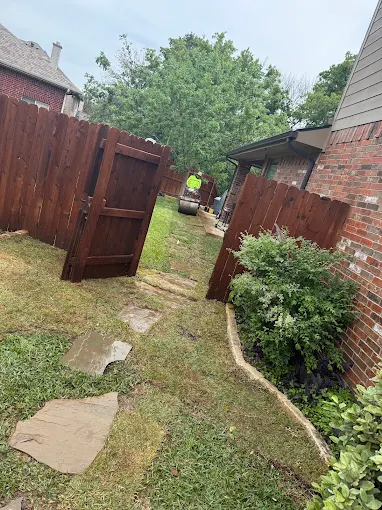
Sod Installation Near Me: Seamless Edges, Strong Growth
If you’ve been staring at patchy spots, dead seams, or a lawn that turns crispy every summer in North Texas, you’re not alone. A lot of homeowners in Carrollton start planning a “fresh start” the moment the heat hits—then get surprised when the new grass looks good for a week or two… and fails right along the edges or seams.
One common scenario we see: a family orders sod because it’s the fastest way to green up the yard, but the installation gets pushed back a day or two while the soil is “still being prepped.” The sod sits, the top layer dries, and once it’s finally laid, the roots don’t fully connect to the native clay underneath. The result is a lawn that looks patchy in the same pattern you wanted to eliminate.
The good news? Strong growth and clean, seamless edges are achievable—when the installation plan is built around how sod actually roots in our Texas conditions.
Quick Answer
For the best results with lawn sod installation, you need three things to line up: (1) correct grass type for your sun/shade and traffic, (2) soil prep that loosens and grades the bed so roots can penetrate, and (3) a watering plan that keeps moisture consistent at the soil level—not just on the surface. If seams are happening, it’s usually because sod wasn’t laid tightly, the grade is off, or the first 2–3 weeks of root establishment weren’t managed carefully.
For homeowners searching “sod near me” or “sod installation near me,” the most reliable path is pairing the right sod with proper installation services and delivery timing—so your sod goes from pallet to ground without unnecessary delays.
Sod Installation Services That Focus on Seamless Edges (Not Just Green Grass)
When people talk about “seamless edges,” they’re usually describing three visible issues:
- Gaps along borders (driveways, sidewalks, fences, and landscaping beds)
- Raised seams where pieces meet
- Dry lines that show up after the first couple weeks
Here’s what we’ve learned from installing sod across North Texas yards: seams don’t fail because homeowners “didn’t care enough.” They fail because the installation process didn’t fully account for how sod behaves once it’s laid.
A firsthand observation from the field
On one recent replacement project, we removed an old lawn that had thin, weak growth and uneven soil. During install, we noticed the grade had a slight “dish” effect in one corner—water would pool there first, then run off across the seam line. Even with good turf, that kind of uneven moisture pattern can cause the seam area to root slower. After a few weeks, it showed up as a noticeable line.
That’s why top-tier sod installation isn’t only about laying rolls tightly—it’s about grading for drainage, preparing the soil for root contact, and managing the first watering cycles so moisture reaches where roots need to form.
Best Grass for North Texas Lawns (And What to Choose)
Your grass choice matters more than most homeowners expect, especially in Carrollton where heat, drought stress, and sprinkler coverage issues can show up fast.
Here’s a practical way to think about it:
Bermuda (fast recovery, strong sun tolerance)
If you want a durable lawn that can handle traffic and recover well, bermuda grass sod is often a top pick. Many homeowners also look specifically for tiftuf bermuda sod because it’s known for strong performance in warmer regions and good recovery after stress.
- Best for: sunny yards, active families, homeowners who want quick establishment
- Watch for: shade can slow growth, and Bermuda needs consistent watering during establishment
Zoysia (dense, moderate growth, “set it and forget it” feel)
Zoysia sod is popular when people want a dense turf that holds up over time. Some homeowners ask about zeon zoysia sod for its texture and performance characteristics.
- Best for: homeowners who prefer less frequent mowing once established
- Watch for: establishment can be slower than Bermuda; requires patience and correct aftercare
St. Augustine (soft feel, but needs the right conditions)
If your yard has more shade or you’re dealing with areas that stay a little cooler, st augustine sod near me becomes a common search. It can be a great fit for certain North Texas microclimates, but it’s not a one-size-fits-all solution.
- Best for: yards with appropriate shade and irrigation reliability
- Watch for: some locations can struggle if watering or drainage isn’t dialed in
Fescue (cool-season option for specific needs)
Fescue sod can work in certain Texas situations, especially where homeowners want a cooler-season appearance and are willing to manage seasonal transitions. It’s not always the easiest match for the harshest summer stretches without a plan.
Recommendation (the “real-world” approach)
If your goal is replace grass with sod and you want strong establishment in Texas heat, we typically recommend Bermuda or Zoysia for many Carrollton lawns depending on sun exposure and irrigation consistency. If you’re unsure, a quick consultation helps match grass to your yard instead of guessing based on what looks good on a neighbor’s lawn.
If you’d like help choosing, you can start with our sod options here: sod grass sales for new lawns.
Common Mistakes That Keep New Sod From Rooting
Even when the sod itself is high quality, installation and early care can make or break the results. Here are the mistakes we see most often.
1) Letting sod dry out before installation
Sod is alive. If it sits in heat or wind while you’re finishing prep, the top and outer edges begin to lose viability. Then you lay it down and wonder why seams fail first.
2) Skipping grade and soil contact
Sod needs direct contact with soil. If the surface is lumpy, compacted, or too sandy in spots, roots can’t knit in evenly. That’s when you see raised seams, gaps, and uneven color.
3) Watering like it’s a lawn sprinkler test
A lot of homeowners water frequently but lightly—so the surface stays wet while the soil underneath stays too dry. In clay-heavy areas, you can also end up with puddling on top and poor penetration below. Sod should be watered to encourage rooting, not just “keep it looking fresh.”
4) Installing without tight seams and proper edge trimming
If pieces aren’t fitted closely or edges aren’t trimmed to match the border, the lawn can dry faster at those lines. It only takes a small gap to turn into a visible failure point.
5) Choosing the wrong grass for the yard’s sun and traffic
Planting the right sod in the wrong light conditions leads to slow establishment and patchy recovery. Bermuda and zoysia behave differently, and St. Augustine has different needs too.
Sod Installation Checklist (Before, During, and After)
Below is a practical checklist we use to keep projects on track and help sod root strong. You can use it whether you’re ordering delivery only or opting for full installation.
Before sod arrives
- Confirm grade and remove debris (old roots, rocks, and construction scraps)
- Loosen compacted soil so roots can penetrate (especially in new construction and heavily trafficked areas)
- Grade for drainage so water doesn’t pool and leave seams drier
- Plan your sprinkler coverage and check that heads distribute evenly over the entire new lawn area
- Have a clear installation route (hoses, gates, and access points ready)
During installation
- Lay sod immediately after delivery (don’t let it sit)
- Fit seams tightly and keep edges trimmed so there’s full contact
- Roll or press sod to improve soil contact (especially along seams and borders)
- Avoid walking in one spot repeatedly (it compacts soil and disrupts root contact)
After installation (root establishment window)
- Water deeply and consistently in the early days so moisture reaches the soil level
- Avoid foot traffic while sod is rooting
- Watch for early seam behavior (if one line dries faster, you may need to adjust watering timing or coverage)
- Plan starter fertilizer for new sod once the sod has begun to root (timing matters—don’t rush it)
If you’re trying to get your lawn back quickly, this is also where “how to improve lawn quickly” becomes real: the fastest path isn’t shortcuts—it’s good preparation and a disciplined watering plan.
Watering New Sod in North Texas: What Actually Works
Here’s the mistake we want you to avoid: watering on a schedule without checking whether the water is reaching the soil underneath.
What we typically recommend homeowners do
- Water to soak the soil under the sod, not just keep the tops damp.
- During the root establishment period, you’ll often need more frequent cycles early on, then gradually reduce frequency as roots grow deeper.
- Check moisture at the seam areas and edges. Those spots dry faster and show failure first.
If your sprinkler system tends to miss corners or you’ve had dead patches before, it’s worth addressing now—because new sod will highlight those weak spots.
For a deeper plan and options that fit your yard, you can also review our installation support and guidance: professional sod installation services.
Sod Delivery vs. Pickup: Planning for Freshness
Freshness matters. If you’re asking “sod delivery near me,” you’re usually trying to reduce the risk of sod drying out between purchase and install.
When delivery usually wins
- You have limited pickup time
- The yard needs staging and careful installation
- You want to coordinate install right after arrival
- You’re replacing a patchy lawn and need multiple pallets
If you want to plan around timing, we can help with delivery options and logistics through: sod delivery services.
When pickup can work
Pickup can be a smart option if:
- you can install immediately
- you have the right vehicle and unloading help
- your schedule is tight and weather is stable
And if pickup is the route you’re considering, you can check out our support for that here: local grass pickup support.
Our Experience With Grass Installation in Texas Conditions
North Texas lawns are rarely “simple.” Between clay soil, summer heat, irrigation coverage variations, and sprinkler timing limits, we often see problems that don’t show up in photos.
One pattern we repeatedly run into: homeowners are focused on the sod purchase, but the soil surface and watering behavior are the real drivers of success.
A realistic example (anonymized)
A homeowner near Carrollton replaced a struggling front yard after patchy growth and dead seams started showing around the driveway. We confirmed the grade was slightly off and that the sprinkler coverage created a drier band along the front edge. We prepared the soil, installed tightly, and adjusted early watering so the seam areas stayed moist at the soil level.
Result: the lawn established more evenly, and the seams blended in rather than staying visible.
That’s also why we encourage homeowners to think in terms of “lawn repair with sod” rather than just “buy sod near me.” The “repair” part is the preparation and aftercare.
Carrollton and North Texas Relevance: Why Seam Lines Show Up Here
Carrollton sits in a region where heat stress and irrigation timing can turn small installation issues into obvious failures. Clay soils can also behave like a barrier if they’re not loosened and graded properly—water may sit on the surface while roots still struggle to penetrate.
That combination leads to a specific kind of problem:
- Sod looks green at first
- Edges and seams dry first
- Rooting is uneven
- Patchy lawn solutions become patchy lawn repeats
If you’ve been searching for “fresh sod near me” or “where to buy sod near me,” make sure you’re also thinking about installation and watering. Otherwise, you may end up replacing the same section again sooner than you planned.
AI Overview Summary (Quick Take)
- Seam failures usually come from soil prep, grade, sod contact, and early watering—not just the sod itself.
- Tight seams, correct grading, and watering that reaches the soil level during establishment are the biggest drivers of strong rooting.
- In North Texas, clay soil and sprinkler coverage gaps can create dry lines, especially along edges and borders.
Ready to Repair or Replace Your Lawn With Fresh Sod?
If you want a lawn that grows in cleanly—with fewer visible seams and stronger rooting—start by matching the grass to your yard and planning installation timing around freshness. We can help you choose the right sod, coordinate delivery or pickup, and support professional installation.
About Your Local Grass Guy
Your Local Grass Guy provides sod sales, grass delivery, pickup options, consultations, and sod installation services throughout Carrollton, TX and surrounding North Texas communities. We focus on helping homeowners choose the right turf for local conditions, prepare lawns properly for root establishment, and achieve healthier growth through practical guidance and experienced installation support.