
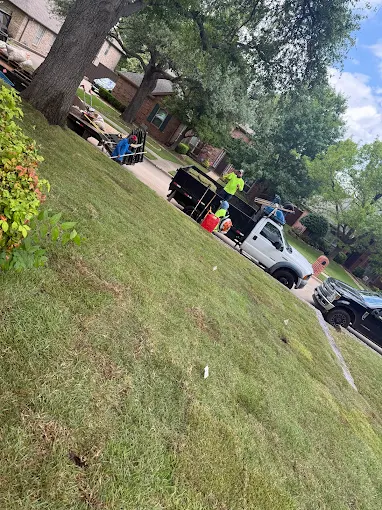
Turn Patchy Grass Into Plush Lawn—Sod Near Me
Last summer, a Carrollton homeowner told us their lawn “looked fine” right up until the hottest weeks hit. Then the grass thinned out in strips, seams showed up between blades, and the yard started to look tired from the curb. They weren’t dealing with one problem—they were dealing with a chain reaction: compacted North Texas clay, uneven sprinkler coverage, and watering that didn’t reach the root zone.
If your lawn is patchy, dead in spots, or struggling to fill back in, sod can be one of the fastest ways to get a usable, green yard—when it’s paired with the right grass and installed correctly. This guide is built for homeowners in Carrollton and the broader North Texas area who want results, not guesswork.
Quick Answer
For most North Texas lawns, the “best” sod choice depends on sun exposure, foot traffic, and how consistently you can water during establishment. Many homeowners start with bermuda (including TifTuf-type options) for heat tolerance, while zoysia can be a great fit for those who want a slower-growing, dense turf. If you’re dealing with shade or you need a more moderate-care option, St. Augustine may be considered—though it has its own watering and sunlight preferences.
To make sod succeed, you typically need:
- solid soil prep (especially breaking up compacted clay)
- correct grass selection for your yard
- quick installation after delivery
- deep, consistent watering during the first couple of weeks
- starter nutrients and proper aftercare
Best Grass for North Texas Lawns
Choosing sod isn’t just about color—it’s about matching the grass to how North Texas lawns behave.
Bermuda (often the go-to for heat and recovery)
Where it shines: full sun, high traffic, and homeowners who want turf that responds well after stress.
What to know: Bermuda spreads and fills in aggressively when it’s established. If your yard is heavily shaded, Bermuda may struggle to stay thick.
Common options you’ll hear about include:
- Bermuda grass sod
- TifTuf bermuda sod (known for strong performance and toughness in heat)
Zoysia (dense, durable, slower to establish)
Where it shines: homeowners who want a thick, carpet-like feel and don’t mind a slower start.
What to know: Zoysia’s establishment can take longer than Bermuda, especially if watering or soil prep is rushed.
You may see:
- zoysia sod near me
- Zeon zoysia sod (a popular cultivar for dense growth)
St. Augustine (best for certain sun/shade conditions)
Where it shines: lawns with more shade or those that fit its preferred moisture and light conditions.
What to know: It can look great when happy, but it’s not the easiest choice if your irrigation coverage is inconsistent.
Fescue (situational for Texas)
Fescue can work in certain landscapes and transitions, but in North Texas it’s typically not the first choice for lawns that are fully exposed to summer heat the way Bermuda and Zoysia are.
Why Some Sod Fails After Installation
Here’s a firsthand observation we see often: the lawn looks good for the first few days, then the seams start to brown.
That usually isn’t the sod “going bad.” It’s the roots not making contact with the soil long enough to establish. In North Texas, especially around Carrollton, many properties have compacted clay. Even if the top inch looks workable, the area underneath may stay hard and dry. When sod is laid over that, it can stay green temporarily—but the roots can’t penetrate well, so the lawn loses stability and fills in unevenly.
What “seams failure” typically looks like
- lines between sod strips turning light or brown
- sod lifting slightly when you step on it
- patchy areas that never fully knit together
This is also why timing matters. If sod sits too long before installation, it can dry at the edges. And if irrigation coverage misses one section, that area becomes the weak link.
What Homeowners Often Overlook
Most people focus on the grass. But sod success is often decided earlier—before the pallets show up.
1) Soil prep that’s “good enough”
If the soil isn’t loosened and leveled properly, the sod may not root evenly. North Texas clay can hold moisture near the surface while staying dry or tight below—making watering feel like it’s working when it isn’t.
2) Sprinkler coverage you haven’t tested
A sprinkler can spray beautifully and still miss the corner of your yard. That small dry zone becomes a dead spot, then a seam failure.
3) Confusing watering frequency with watering depth
Many homeowners water frequently but not deeply enough. Sod needs moisture that reaches the soil underneath, not just the sod surface.
Common Mistakes That Keep New Grass From Rooting
Mistake #1: Installing sod without addressing compaction
If the ground is hard or bumpy, sod roots don’t penetrate. In Carrollton and surrounding areas, we often see new construction yards that were compacted during build phases. Even when the grade looks fine, compaction can limit root development.
Mistake #2: Waiting too long to install after delivery
Fresh sod should go in quickly. When it sits—especially in heat—the edges dry out and the roots don’t establish as cleanly.
Mistake #3: Overwatering or underwatering early
Overwatering can cause shallow rooting or soggy conditions that don’t help roots move downward. Underwatering dries the seam edges. The goal is consistent moisture at the root level, not a “schedule guess.”
Mistake #4: Skipping starter fertilizer and aftercare
Starter nutrients help new turf get established, especially when the soil is heavy or low in available nutrients. Compost can also improve soil structure over time.
Sod Installation Checklist (Preparation + Aftercare)
Use this as a practical checklist. If you’re planning a repair or new lawn installation, print it or save it.
Before sod arrives
- Test irrigation coverage (walk the sprinkler pattern and confirm every area gets water)
- Clear debris and remove old dead grass
- Address low spots (you want a level surface so sod contacts soil fully)
- Loosen compacted soil where needed (especially in high-clay areas)
- Add soil amendments if recommended (compost can improve texture; avoid over-amending without a plan)
- Confirm grade and drainage (standing water under sod is a problem)
Installation day
- Lay sod immediately after delivery
- Stagger seams like brickwork (don’t line them up)
- Press sod firmly so contact is solid from edge to edge
- Avoid walking in patterns that create divots
First 2–3 weeks (establishment phase)
- Water deeply enough to reach the soil under the sod
- Keep traffic off the lawn as it roots
- Use mowing timing carefully (wait until roots are established and the turf holds together)
- Apply starter fertilizer if your plan includes it (timed correctly for establishment)
- Monitor seams and edges daily—early intervention is easier than late repair
Our Experience With Grass Installation in Texas Conditions
We’ve helped homeowners replace grass in yards with thin spots, dead patches, and uneven growth—often caused by a combination of drought stress, shade patterns, and irrigation inconsistencies.
One anonymized project that’s typical: a family in Carrollton replaced patchy sections with sod but noticed the edges browned first. After we reviewed their watering, the issue was clear—sprinklers were working, but the coverage schedule left certain zones dry during peak heat. We adjusted the watering approach to keep moisture consistent at the root level, and the sod knit together more evenly once roots could establish.
That’s the difference between “green on top” and “rooted in place.”
What To Do Before Sod Delivery Arrives
If you’re planning to buy and schedule sod, the days leading up to delivery matter.
- Measure correctly so you’re not short on pallets (and not stuck with excess)
- Plan access for the truck and unloading area
- Stage materials away from sun where possible
- Have a clear path from unloading to installation areas
- Confirm the installation timeline so sod doesn’t sit
If you want help planning, our team can guide you on the right amount and timing. You can start with a sod consultation for North Texas lawns here:
sod consultation for North Texas lawns
For homeowners who need delivery planning, this page can help you coordinate the logistics:
sod delivery near me
And if pickup is your preference, we can support that workflow too:
local grass pickup support
Sod Delivery vs Pickup (What Usually Works Best)
Sometimes the decision is simple: you may not have a way to haul pallets or unload safely. Other times it’s about timing.
- Delivery tends to work best when you want sod installed quickly after it arrives and you’re trying to reduce the time sod spends exposed.
- Pickup can work if you’re able to install immediately and you have a reliable way to transport and unload without damaging rolls.
If you’re comparing options, it’s worth talking through your schedule and yard layout. We can help align the plan with the way North Texas heat impacts establishment.
For homeowners who want to handle it themselves, you may still need to know what grass fits your situation. Our sod grass sales page is a good starting point:
where to buy sod near me
And if you’re ready for a turn-key approach, explore our installation options:
lawn sod installation
Quick Watering Guidance for Fresh Sod
Watering new sod is where many lawns either take off—or stall.
A simple way to think about it
- Keep the sod surface and the soil underneath consistently moist
- Avoid long dry stretches in the first couple of weeks
- Adjust based on heat and wind (North Texas days can dry things out fast)
If you’re unsure about your watering plan, ask us before you schedule. It’s easier to set the right routine early than to “fix” a struggling lawn later.
Optional: A Realistic Cost Planning Example (No Surprises)
Homeowners often ask, “How much does sod cost?” The answer depends on:
- square footage
- grass type (and whether it’s a premium cultivar)
- whether you’re doing new lawn installation versus patching
- soil prep requirements
- delivery and installation choices
Here’s a realistic planning example:
A homeowner replaces a 1,000 sq. ft. patchy area with sod. They choose a heat-tolerant turf suitable for full sun, schedule delivery, and install the same day. Their total cost typically reflects both the material and the prep/installation labor needed to ensure roots establish. If the yard needs heavy compaction relief, that can change the budget—because good soil prep reduces the chance of costly failure later.
If you’re budgeting, we can help you estimate quantity and plan your best path—delivery, pickup, or full installation—based on your yard and schedule.
Signs Your Lawn Needs Sod Replacement
Consider sod for repair or replacement if you’re seeing:
- dead areas that don’t green up after normal watering
- patchy sections that keep thinning out
- seams that keep widening between strips
- worn spots that can’t handle foot traffic anymore
- uneven growth due to sprinkler coverage problems
Sod is often the fastest “reset,” especially when you need a usable lawn sooner rather than waiting for seed to catch up.
Carrollton & North Texas Relevance: Why It Matters Here
North Texas lawns live under real conditions—heat, clay soil, and occasional water restrictions that change how you can irrigate. That’s why a “standard” sod plan from somewhere else may not work here.
In Carrollton, the most common challenges we deal with are:
- compacted soils from construction or repeated equipment use
- sprinkler coverage gaps that create dead zones
- watering patterns that don’t reach the root level
- shade pockets that affect grass density and recovery
When you match grass type to local sun patterns and install over properly prepared soil, sod becomes a reliable solution—not a temporary patch.
FAQ
How soon should sod be installed after delivery?
Fresh sod should be installed as quickly as possible—ideally the same day. The longer sod sits, especially in hot weather, the more the edges can dry and the harder it becomes for roots to establish cleanly. If you need help scheduling delivery and installation together, it’s worth coordinating so the turf goes down immediately.
What grass type is best for Carrollton lawns?
Most homeowners with full sun choose Bermuda (including tougher cultivars like TifTuf-type varieties). If you want dense turf with a slower growth pattern, Zoysia can be a strong option. St. Augustine may work in certain shade and moisture conditions, but it’s not the best choice for every yard—especially where irrigation coverage is inconsistent.
Can sod fix a patchy lawn quickly?
Yes—sod can replace thin or dead areas fast and create a uniform look sooner than seed. The key is to prepare the soil so sod roots can knit into the existing ground. Without proper prep and establishment watering, patchy areas can reappear even after the sod goes down.
Should I use starter fertilizer with new sod?
In many cases, yes. Starter fertilizer helps new turf establish more quickly, particularly in heavy clay or low-nutrient soils. Timing matters, so it’s best to follow a plan for establishment rather than applying randomly.
How long does it take for sod to root?
Sod often begins establishing within the first 1–2 weeks, but stronger rooting and full blending can take longer depending on grass type, heat, and watering consistency. During the first few weeks, foot traffic and uneven moisture are the biggest risks.
Ready to Repair or Replace Your Lawn With Fresh Sod?
If you’re searching for sod near me because you want a plush lawn without the months-long wait, start with the right grass for your yard and a plan for soil prep and watering. We’ll help you choose the best option, then support delivery, pickup, or professional installation based on your timeline.
About Your Local Grass Guy
Your Local Grass Guy provides sod sales, grass delivery, pickup options, consultations, and sod installation services throughout Carrollton, TX and surrounding North Texas communities. The company focuses on helping homeowners choose the right grass for local conditions, prepare lawns properly, and establish healthier turf through practical sod guidance, delivery support, and professional installation solutions.