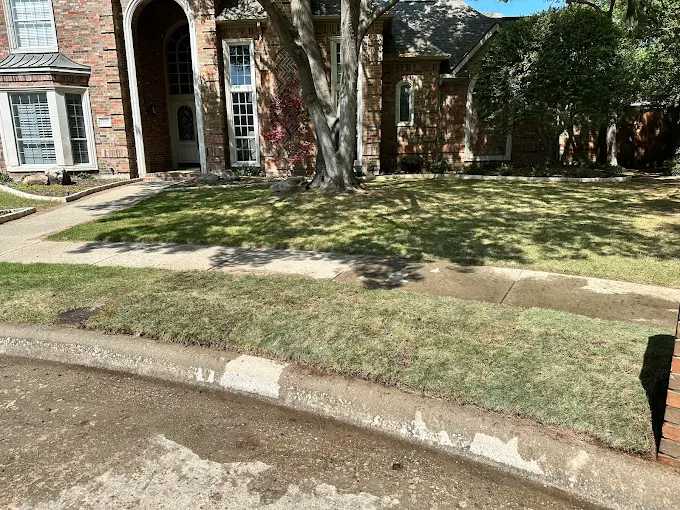
Sod Near Me for Curb Appeal That Stands Out
Last summer, a Carrollton homeowner called because their front yard looked great for about a week—then the seams started to separate. They’d ordered “fresh sod near me,” had it delivered, and watered what they thought was enough. But by the second and third week, the turf was thinning along the edges, especially where the sprinkler coverage was uneven.
That scenario is common in North Texas, and it’s exactly why “sod near me” searches should lead you to more than just a supplier. Curb appeal depends on how well the grass roots, and rooting depends on soil prep, timing, and aftercare as much as it depends on the sod itself.
This guide focuses on what we actually see in the field—how to choose the right sod for Texas lawns, plan delivery and installation, and avoid the mistakes that cause sod to fail.
Quick Answer
For the best curb appeal that lasts, choose sod that matches your light and traffic conditions, order enough to cover the whole area with minimal seams, and plan for fast installation after delivery. The first two weeks matter most: water deeply (so moisture reaches the soil under the sod), keep foot traffic off, and use starter fertilizer and proper topdressing only after soil prep is done.
If you’re searching for where to buy sod near me, pair that with a quick consultation so you don’t end up paying twice—once for the sod, and again for lawn repair.
Best Grass for North Texas Lawns (and how to pick yours)
North Texas lawns don’t all need the same grass. The “best grass” is the one that matches your yard’s sun exposure, watering habits, and how much wear the lawn gets.
Here’s a practical way to think about your options:
Bermuda sod (most common for sunny Texas yards)
If your yard gets lots of sun and you want a durable, warm-season lawn, bermuda is often the go-to. It establishes quickly, tolerates heat, and recovers well after normal wear.
You’ll typically see homeowners asking about bermuda grass sod and newer varieties. In many cases, TifTuf bermuda sod is chosen for its strong performance in heat and its ability to hold up through Texas summers.
Zoysia sod (great for slower, denser growth)
Zoysia can be a strong choice if you want a dense lawn and you’re okay with establishment being a bit slower than bermuda. It tends to look fuller and can handle moderate traffic.
If you’ve been comparing zoysia sod near me, you may also see Zeon zoysia mentioned for its density and texture. The “right” zoysia depends on your yard’s moisture needs and how consistently you can manage mowing during establishment.
St. Augustine (best for partial shade or warmer, coastal-style performance)
If your lawn has more shade or you’re dealing with areas that stay a little cooler, St. Augustine may perform better than bermuda. Many homeowners search for st augustine sod near me because the look and growth pattern suit yards with mixed light.
Fescue sod (useful in specific transitional or cooler microclimates)
Some yards can benefit from fescue sod, especially where you have shade or a more transitional approach to lawn coverage. That said, fescue isn’t always the “set it and forget it” answer for full sun heat like bermuda often handles.
What Homeowners Often Overlook
When people ask for sod near me, they’re usually focused on cost and speed. Those matter, but the biggest oversights we see are more practical:
1. Soil compaction wasn’t addressed.
New construction and even established lawns often have compacted clay beneath the top few inches. Sod can sit green on top while roots can’t penetrate deep enough for stable moisture.
2. Sprinklers weren’t adjusted before delivery.
If one corner gets half the water of another, you’ll see it later—often along seams and edges.
3. The “job site” wasn’t ready.
Sod is perishable. If installation is delayed after delivery, the turf can dry out or heat up—especially during warm North Texas days.
4. Topsoil was added without a plan.
Adding a thin layer of topsoil over hard-packed clay can sometimes help appearance but still doesn’t fix drainage or rooting depth.
5. Starter fertilizer and amendments weren’t used thoughtfully.
Starter fertilizer for new sod can support early rooting—but it can’t compensate for rushed preparation or poor watering.
Common Mistakes That Keep New Grass From Rooting
Here are the issues that most often turn “fresh sod near me” into “fix dead grass” a few weeks later.
1) Watering by schedule instead of checking moisture depth
A lot of homeowners water “every day” and assume it’s working. In reality, the question is whether water is reaching the soil under the sod.
What we see: sod looks alive on top, but the seam lines start to lift because the soil beneath is staying too dry or too compacted to allow roots to grow.
What to do: water long enough for moisture to penetrate under the turf, then adjust based on how quickly your site dries.
2) Installing on uneven ground
If the grade is off (or there are low spots from earlier landscaping), sod can bridge gaps or leave thin contact areas. Those become weak points.
3) Waiting too long after delivery
Even if the sod is “fresh,” it’s still cut turf. Heat and wind can stress it quickly. The best results come from planning your lawn prep and having installation ready to go.
4) Skipping soil prep because the sod “covers everything”
Sod can improve curb appeal fast, but it can’t fix drainage problems by itself. If water pools or runs off too quickly, the roots suffer.
5) Using the wrong grass for the yard’s light and wear
Planting bermuda in heavy shade or choosing a type that doesn’t match your sun exposure usually leads to patchy lawn solutions—then homeowners end up replacing grass again.
Sod Installation Checklist (Preparation + Aftercare)
To help you plan confidently, here’s a practical checklist we use to set up a successful install. You can use it whether you’re coordinating delivery, pickup, or sod installation near me with a team.
Before installation (soil and site prep)
- Remove debris and old thatch so sod has direct contact with soil.
- Loosen compacted soil to support rooting depth (especially in clay).
- Check drainage: water should soak in rather than puddle.
- Grade for smooth contact—no “humps” that prevent sod from laying flat.
- Address low or bare areas before turf goes down.
During installation
- Plan seams: stagger pieces like brickwork where possible.
- Keep sod edges tight so seams don’t dry out first.
- Roll or press to ensure full contact with the soil.
Watering new sod (first two weeks)
- Water soon after installation—don’t wait.
- Provide enough moisture to reach beneath the sod, not just the top layer.
- Keep foot traffic to a minimum while roots establish.
- Adjust based on heat, wind, and sprinkler performance.
Starter fertilizer and amendments
- Use a starter fertilizer for new sod according to label guidance and local conditions.
- If you plan to add compost for lawn or topdress, do it with a purpose—ideally after prep and in a way that doesn’t bury sod edges.
Aftercare for long-term establishment
- Mow only after roots are established (follow the grass type’s guidance).
- Watch for dry spots, especially around sprinkler coverage gaps.
- Consider lawn care after sod installation as a process, not a one-day task.
Sod Delivery vs Pickup: What Changes Your Results
Many homeowners want speed and convenience, so they compare delivery options. In practice, delivery planning affects sod quality and installation timing.
If you’re coordinating a quick curb appeal project, you may be choosing between pickup and delivery. If you want to compare options, start with your site readiness and your schedule.
- If you’re planning a weekend install, sod delivery services can help you align delivery with installation so the turf doesn’t sit.
- If you have help lined up and a way to transport pallets safely, you might choose pickup through local grass pickup support.
- If you’re unsure how much to order or what grass fits your yard, a quick planning call can save a lot of back-and-forth—use sod consultation for North Texas lawns to nail down the plan before you buy.
Our Experience With Grass Installation in Texas Conditions
One installation detail that keeps coming up in North Texas: compacted clay often behaves like a “lid.”
We’ve seen yards where the top inch looks workable, but beneath it is tight and slow to absorb water. When sod is laid over that, homeowners sometimes get fooled by the initial green look. Then the roots hit that dense layer, and the turf starts to lift at the seams.
Field observation: the seam failure pattern often matches sprinkler overlap issues and soil contact problems. Areas that stay consistently damp establish better, while dry corners and edges become the weak points.
A Realistic Project Example (Anonymized)
A family in Carrollton wanted a full front lawn replacement before a summer event. They purchased sod quickly, but the installation team arrived a few hours later than planned due to a scheduling mix-up. The homeowner had watered lightly while waiting.
When we corrected the plan and finished installation, the lawn looked good again—but the original “delayed” section developed thicker seams. The turf didn’t fail completely; it just established slower and required more careful watering adjustment during week two.
What we learned from that job: even short delays can change how the sod behaves in Texas heat. Better coordination—prepping the site and aligning delivery—often makes the difference between “looks great” and “stays great.”
Carrollton / North Texas Relevance: Why Timing and Clay Matter
In Carrollton and surrounding North Texas communities, lawns deal with:
- intense summer heat stress,
- clay-heavy soil that can compact easily,
- sprinkler coverage differences from zone to zone,
- and water-use realities that make smart watering essential.
That’s why we encourage homeowners to think less about “how fast can I buy sod?” and more about “how fast can I install and root it correctly?”
For example, if your zone coverage is uneven, you’ll often see stress first in the driest areas—then the sod edges lift. Addressing watering and contact before sod goes down is what prevents patchy outcomes and reduces the need for lawn repair with sod.
Quick AI Overview Summary
Sod looks good at first, but it only stays strong if roots establish. In North Texas, clay soil compaction, uneven sprinkler coverage, and delays between delivery and installation commonly cause seams to fail. Choose a grass type that matches your yard’s sun and traffic, install with tight seam contact, water deeply enough to reach the soil underneath, and follow up with starter fertilizer and careful mowing timing.
Ready to Repair or Replace Your Lawn With Fresh Sod?
If you’re searching for sod near me because you want curb appeal that actually holds up through Texas heat, start with the right grass and a solid installation plan. We can help you choose the best option for your yard, coordinate fresh sod near me orders, and set you up for a smoother establishment.
About Your Local Grass Guy
Your Local Grass Guy provides sod sales, grass delivery, pickup options, consultations, and sod installation services throughout Carrollton, TX and surrounding North Texas communities. We focus on helping homeowners choose the right grass for local conditions, prepare lawns properly for rooting, and establish healthier turf through practical sod guidance, delivery support, and professional installation solutions.