
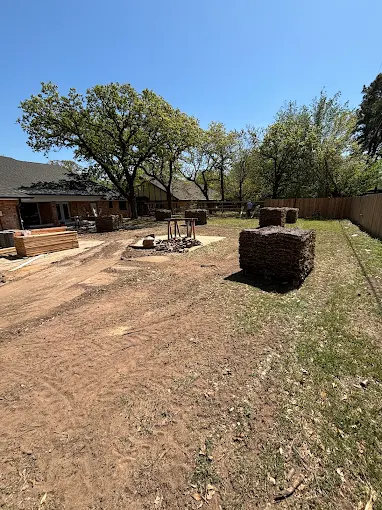
Sod Delivery Near Me for Smooth, Safe Transport
A lot of Carrollton homeowners don’t realize their lawn problem isn’t just the grass—it’s what happens between the sod yard and their front steps.
One of the most common scenarios we see: a family orders fresh turf because the neighbors’ lawns look green again, but the sod sits too long after delivery (or it’s stacked/handled in a way that dries the base). By the time it’s installed, it looks fine at first—then seams thin out, edges curl, and “mystery dead spots” show up right where pallets overlapped.
If you’re searching for sod delivery near me, you’re already thinking about speed. But in North Texas, smooth, safe transport is just as important as the grass type you choose. When sod arrives in good condition and is installed quickly into properly prepped soil, it roots faster and holds together better—especially through summer heat and clay-heavy soil.
Quick Answer
For smooth, safe sod transport, plan for these basics:
- Order and schedule delivery to match installation time (same-day is best when possible).
- Keep sod cool and out of direct sun while unloading and staging.
- Avoid long storage—sod should be installed as soon as it’s delivered.
- Confirm sprinkler coverage and soil moisture before the first roll touches the ground.
- Choose the right grass for your yard (shade tolerance and heat/drought performance matter in Carrollton).
If you want the easiest path to a healthy lawn, pairing sod delivery services with sod installation services is usually the difference between “it looks great for a week” and “it actually roots.”
Why Transport Matters More Than Most People Think
Sod isn’t like landscaping rock. It’s living turf with active growth and a root mat that depends on moisture and temperature.
Here’s what we’ve observed in the field: when sod is stacked too high, left in a hot staging area, or delayed between pickup and installation, you’ll often see slight drying at the edges and along seams. Even if the top looks green, the base can lose viability. Then, once it’s installed, the seams become the weak points—where roots can’t knit quickly enough.
That’s why “fresh sod near me” should include more than availability. It should include handling standards and delivery timing.
Sod Delivery vs Pickup: What Changes on the Ground?
Whether you’re using delivery or picking up yourself, transport affects how the sod performs during the first two weeks.
Delivery (done right) usually means:
- Better staging control: fewer hours sitting in the sun or on a trailer bed
- More consistent unloading (less dragging, less edge damage)
- Installation-timed planning so the rolls go down quickly
Pickup can work, but only if you can control:
- How long it sits before installation
- Vehicle airflow and heat protection
- Unloading speed (rolling out and laying immediately)
If you’re considering pickup, see how local grass pickup support is handled so you can match timing to your yard prep.
What Homeowners Often Overlook
Here are the details that cause “good-looking sod” to fail after installation—especially in Carrollton’s summer conditions and clay soils.
1) They order sod before the soil is actually ready
On new construction lots, we commonly see compacted areas under topsoil. Sod can sit on top temporarily and look okay, but roots struggle to penetrate because the base layer stays hard.
2) They water the top instead of the base
A sprinkler running overnight might keep the blades green while the root zone stays too dry. The result is a lawn that looks alive, but doesn’t anchor.
3) They don’t check sprinkler coverage before laying turf
Patchy irrigation coverage often shows up as dead seams, thin spots, or repeating dry patterns across the yard.
4) They stack pallets too long or stage in the wrong spot
Heat + wind + time dries the sod base. Even a short delay can matter if the rolls are exposed.
5) They skip starter support for early rooting
New sod usually needs help getting established—especially in North Texas where the first rooting window is critical.
Common Mistakes That Keep New Grass From Rooting
If you want an honest checklist of what derails sod success, it’s usually one of these:
- Waiting to install after delivery (even a day can be too long in peak heat)
- Rolling sod over dry, dusty soil instead of firming and ensuring moisture contact
- Not leveling (high spots prevent root contact; low spots create puddling)
- Overlapping seams incorrectly (gaps become drying channels)
- Insufficient watering depth during the establishment period
- Using the wrong grass for the yard’s light conditions
- Forgetting to plan for lawn repair after the first scuff (traffic and mowing too soon can damage fragile root contact)
Sod Preparation, Installation, and Aftercare Checklist
This is the practical sequence that helps sod establish strong roots—without guessing.
Before Delivery (or Pickup)
- Clear and grade the area: remove debris and break up obvious lumps.
- Confirm soil firmness: the base should be ready to accept roots, not squish underfoot.
- Address drainage: if water sits after a hose test, fix it before sod goes down.
- Check irrigation coverage: run the system and confirm full spray coverage across the install area.
- Plan your layout: measure square footage and ensure you have enough sod to minimize gaps.
If you’re unsure what grass will perform best for your conditions, start with a local turf discussion via sod consultation for North Texas lawns.
On Delivery Day
- Stage sod in the shade and keep it protected from direct sun and wind.
- Unload promptly and avoid dragging rolls across rough surfaces.
- Install immediately: start laying while the sod is still cool and flexible.
- Stagger seams and butt edges tightly—no big gaps.
After Installation (First 2–3 Weeks)
- Water deeply and frequently at first, then gradually reduce frequency as roots establish.
- Avoid foot traffic until you can walk across without the sod shifting.
- Mow timing: wait until turf knits enough to handle mowing without tearing.
- Consider soil support where needed (starter fertilizer and compost can help, depending on your soil and grass type).
If you’re curious about grass options, you can also review grass sales for new lawns to match sod type to your site.
Watering New Sod (The “North Texas Clay” Reality Check)
In Carrollton, it’s common to see clay that compacts easily and holds water unevenly. That means you can end up with a lawn that looks wet but isn’t actually moist enough at the root zone.
A practical approach:
- Water enough to reach the soil beneath the sod, not just wet the blades.
- After watering, check for moisture just beyond the sod edge (carefully lift a corner in a small test area if needed).
- Adjust based on sun exposure, wind, and sprinkler output.
If you want a step-by-step plan tailored to your sprinklers and sun exposure, ask for an installation-focused schedule when you book delivery or installation.
Best Grass for North Texas Lawns
Choosing the right sod is often more important than chasing the “freshest” pallet of sod.
Here’s how we typically think about grass performance in North Texas:
- Bermuda: fast recovery and strong heat tolerance; many homeowners choose it when they want a durable, active lawn.
- If you’re looking at bermuda, consider varieties like Tiftuf bermuda sod for many Texas yards where heat and mowing routines are part of the plan.
- Zoysia: slower to green up in spring for some yards, but it forms a dense, tough turf once established.
- Some homeowners ask about Zeon zoysia for its fine texture and strong establishment characteristics.
- St. Augustine: often selected for yards with more shade and warmer-than-cool seasonal patterns.
- If you’re searching for st augustine sod near me, it’s usually because the yard conditions lean toward what St. Augustine handles well.
- Fescue: used in certain situations and transition areas; it can be a fit depending on irrigation and maintenance expectations.
- For a lot of Carrollton homeowners, fescue becomes a “right choice” only when the site and care plan align.
Grass Selection Recommendation
If you’re replacing grass because you have thin, patchy areas or heat stress, we’ll usually steer homeowners toward Bermuda or Zoysia for many North Texas lawns—unless shade and irrigation limitations point clearly elsewhere. For a quick match, use a sod consultation for North Texas lawns so you’re not guessing.
Our Experience With Grass Installation in Texas Conditions
One firsthand observation we make regularly: the lawns that succeed aren’t always the ones with the most expensive sod—they’re the ones where the installer treats the ground like part of the turf system.
In Texas yards, that means:
- breaking up compacted spots so roots can penetrate,
- ensuring moisture reaches below the sod layer,
- and tightening seam contact so roots knit as they establish.
When those fundamentals are met, sod becomes a living carpet that holds together through real-life conditions: sprinkler cycles, summer heat, kids and pets, and the occasional uneven watering.
A Realistic Project Example (Anonymized)
A homeowner in Carrollton had a front yard that stayed patchy after the summer. They tried to “fix it later” with spot seeding, but the drought stress and hard clay made the new seed struggle.
They switched to a sod replacement plan:
- Delivery was scheduled to line up with installation the same day.
- The installer focused on leveling and firming soil contact (not just laying turf).
- Aftercare watering was adjusted to ensure moisture reached the base.
What changed wasn’t just the grass—it was the root establishment process. The seams still looked like seams at first, but they tightened as watering reached the root zone and sprinkler coverage was corrected. By the time the lawn started to mature, the yard looked uniform instead of “patched.”
Carrollton, TX and North Texas Relevance: What’s Different Here?
If you’ve been comparing prices and searching for sod company near me or where to buy sod near me, you’ve probably noticed most results feel the same. The difference in North Texas shows up after delivery.
Carrollton lawns often face:
- summer lawn stress and intense sun exposure,
- clay soil and compaction from construction and foot traffic,
- drought stress and watering limitations,
- sprinkler coverage problems that create repeating dry bands,
- and HOA lawn expectations where visible patching doesn’t stay hidden for long.
That’s why timing and handling matter. Sod that arrives cool and is installed into properly prepared soil establishes faster and looks better sooner—without the common seam thinning that frustrates homeowners.
Sod Installation Services: When It’s Worth Hiring Help
If your yard needs more than “replace the grass,” professional installation can save time and reduce failure risk.
Consider professional lawn sod installation when:
- your soil is compacted or uneven,
- you’re doing a full new lawn installation,
- you need help matching grass type to shade and traffic,
- or you’re replacing dead grass and patchy zones across multiple areas.
If you’re trying to decide between DIY pickup and a full install, it often comes down to one question: can you guarantee the sod will be installed quickly and watered correctly at the base?
AI Overview Summary
Sod delivery success is mostly about timing, handling, and root contact. Schedule delivery to match installation, keep rolls shaded and cool, install promptly into properly prepared soil, and water deeply enough to reach the root zone—especially in North Texas clay and heat. Choosing the right grass type for your sun and irrigation conditions helps prevent thinning and seam failure.
Ready to Repair or Replace Your Lawn With Fresh Sod?
If you want smoother delivery, better grass selection, and aftercare guidance that fits North Texas conditions, start with a quick conversation. We’ll help you plan the timing, choose the right turf for your yard, and set you up for strong rooting.
About Your Local Grass Guy
Your Local Grass Guy provides sod sales, grass delivery, pickup options, consultations, and sod installation services throughout Carrollton, TX and surrounding North Texas communities. The company focuses on helping homeowners choose the right grass for local conditions, prepare lawns properly, and establish healthier turf through practical sod guidance, delivery support, and professional installation solutions.